Electrical substation security starts at the boundary. A perimeter fence provides a physical barrier, but operators also need to know when someone attempts to climb, cut or interfere with it.
A Perimeter Intrusion Detection System (PIDS) adds active detection to the site perimeter. When specified and installed correctly, it can alert the responsible team to intrusion attempts, supporting investigation and response before an intruder reaches electrical equipment.
However, effective PIDS for electrical substations requires more than selecting sensors. Fence condition, environmental noise, alarm handling and maintenance all influence performance.
This guide explains what to consider before planning a substation PIDS installation.
What Does PIDS Do for Electrical Substation Security?
A perimeter intrusion detection system monitors a defined boundary for activity associated with unauthorised entry.
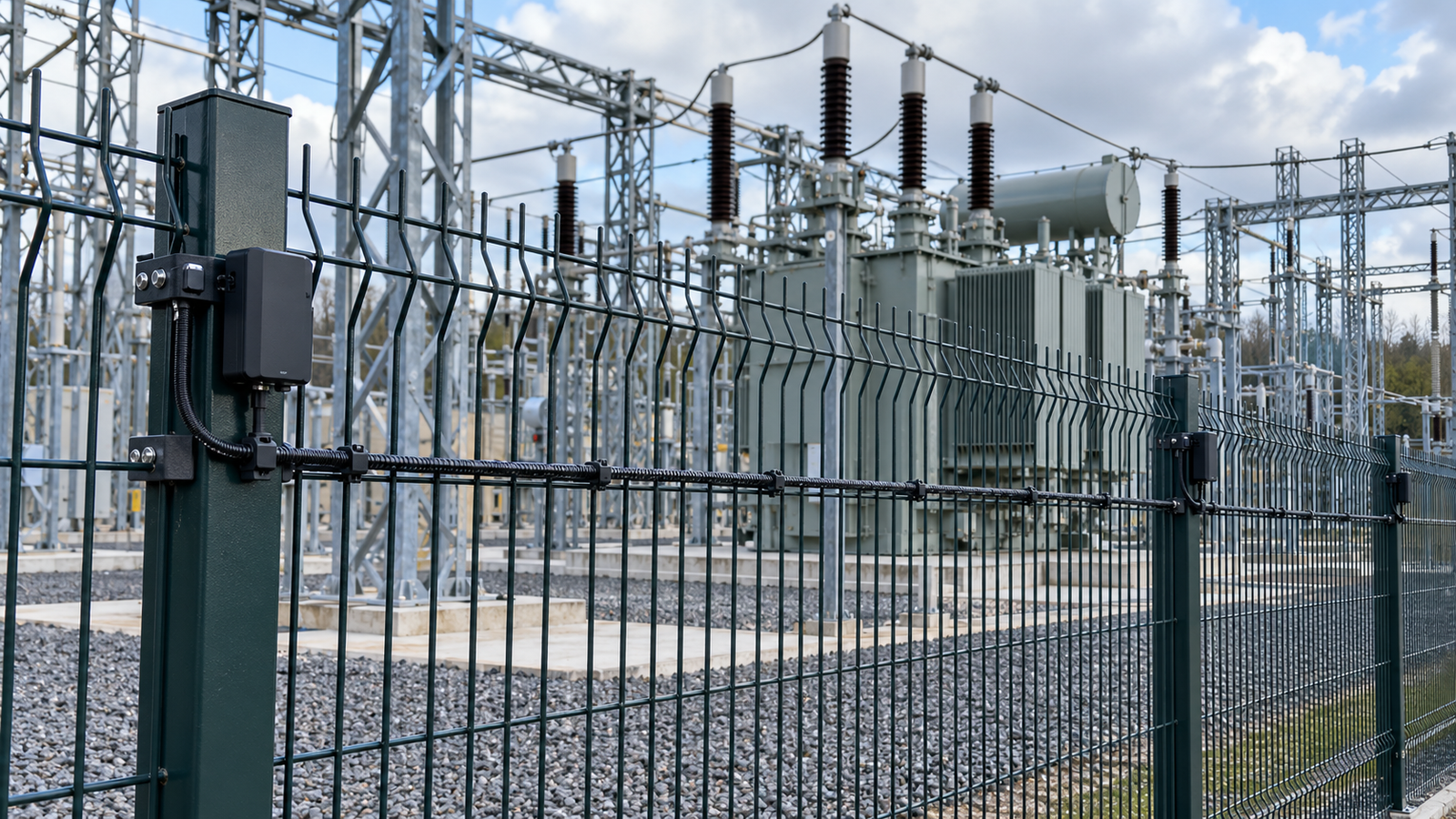
For fence-mounted PIDS, sensors detect disturbances that may indicate cutting, climbing or interference with the fence. The system processes these signals and generates an alarm according to its configuration.
PIDS contributes to substation perimeter security by providing:
- Early warning of attempted perimeter intrusion.
- Identification of the affected detection zone.
- Alarm information for security teams or monitoring centres.
- Integration with compatible existing CCTV and alarm management systems.
- Records that support investigation and performance review.
Detection, physical delay and response must work together. A PIDS alarm is most useful when the receiving team knows where it originated and what action to take.
1. Define the Site’s Detection Requirements
Before comparing substation security systems, establish what the PIDS must achieve.
An operational requirement should describe the threats, areas to monitor and expected performance. This gives the project team a basis for selecting equipment and assessing the completed installation.
Questions to address include:
- Which intrusion attempts must the system detect?
- Which fence sections, gates and other boundaries require coverage?
- Is the substation staffed, remotely monitored or normally unattended?
- Who receives and investigates alarms?
- How precisely must the system identify an alarm location?
- What detection and nuisance-alarm performance is required?
Requirements should reflect the individual site. An urban substation beside a busy road may need a different approach from an exposed rural compound.
2. Check Whether the Existing Fence Can Support PIDS
Fence condition is a central consideration when selecting a fence intrusion detection system.
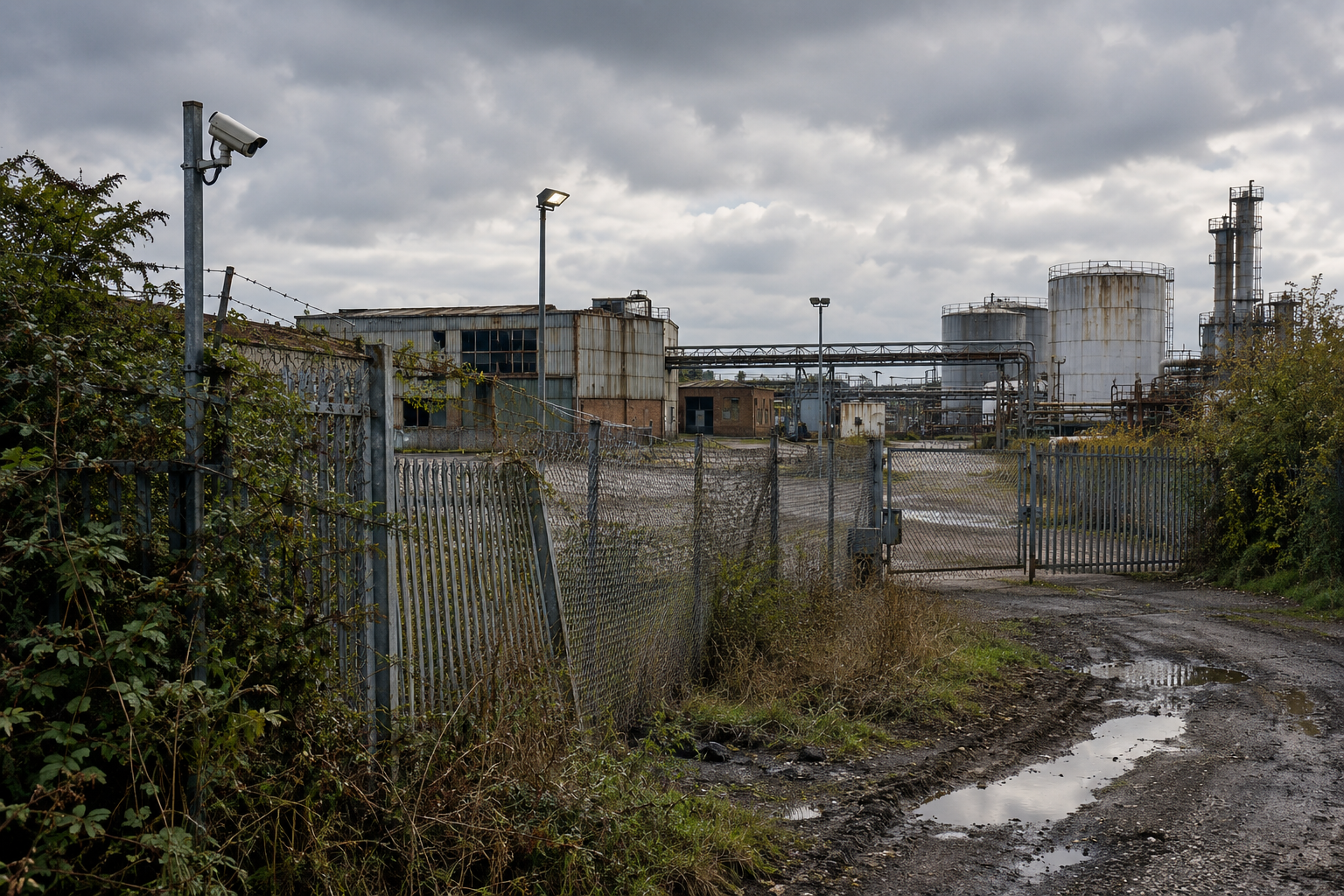
Loose panels, damaged fixings and unstable posts can affect how disturbances reach sensors. They may also generate nuisance alarms or produce inconsistent detection.
A perimeter survey should assess:
- Fence construction and compatibility with the proposed sensors.
- Panel, mesh and post condition.
- Loose fittings, corrosion and existing damage.
- Changes in fence type around the site.
- Vegetation touching the fence.
- Gates and transitions between structures.
Retrofitting PIDS to an existing fence may be possible, but suitability must be established first. Necessary fence repairs should be coordinated with the site’s fencing contractor before installation and commissioning.
3. Assess the Substation Environment
Electrical substations present particular installation conditions. Equipment selection and cable routing must account for the site’s electrical environment, access restrictions and operational requirements.
The PIDS survey should consider nearby electrical equipment, potential interference, power arrangements and manufacturer installation requirements. Where relevant, earthing, surge protection and electrical compatibility should be reviewed with the operator’s competent electrical specialists.
Environmental conditions also matter. Common sources of unwanted fence movement include:
- Strong winds and driving rain.
- Nearby road traffic.
- Vegetation and loose materials.
- Animals contacting the boundary.
- Routine maintenance and contractor activity.
The aim is reliable intrusion detection under realistic site conditions. Simply reducing sensitivity to suppress alarms can create gaps in performance.
4. Plan Detection Zones and Gate Coverage
Useful alarm information should direct the receiving team to a recognisable location.
Detection zones should correspond with the site layout and the way incidents will be investigated. Depending on the selected technology, the system may identify an alarm zone or provide more detailed location information.
Before installation, agree:
- Zone boundaries and naming conventions.
- How locations will appear on the monitoring platform.
- Coverage at corners, gates and changes in fence construction.
- Procedures during authorised access or maintenance.
- How temporarily isolated detection areas will be managed.
Gate coverage deserves particular attention. A protected fence line should not leave an unassessed gap around an entrance or adjoining structure.
5. Confirm Integration with Existing Security Systems
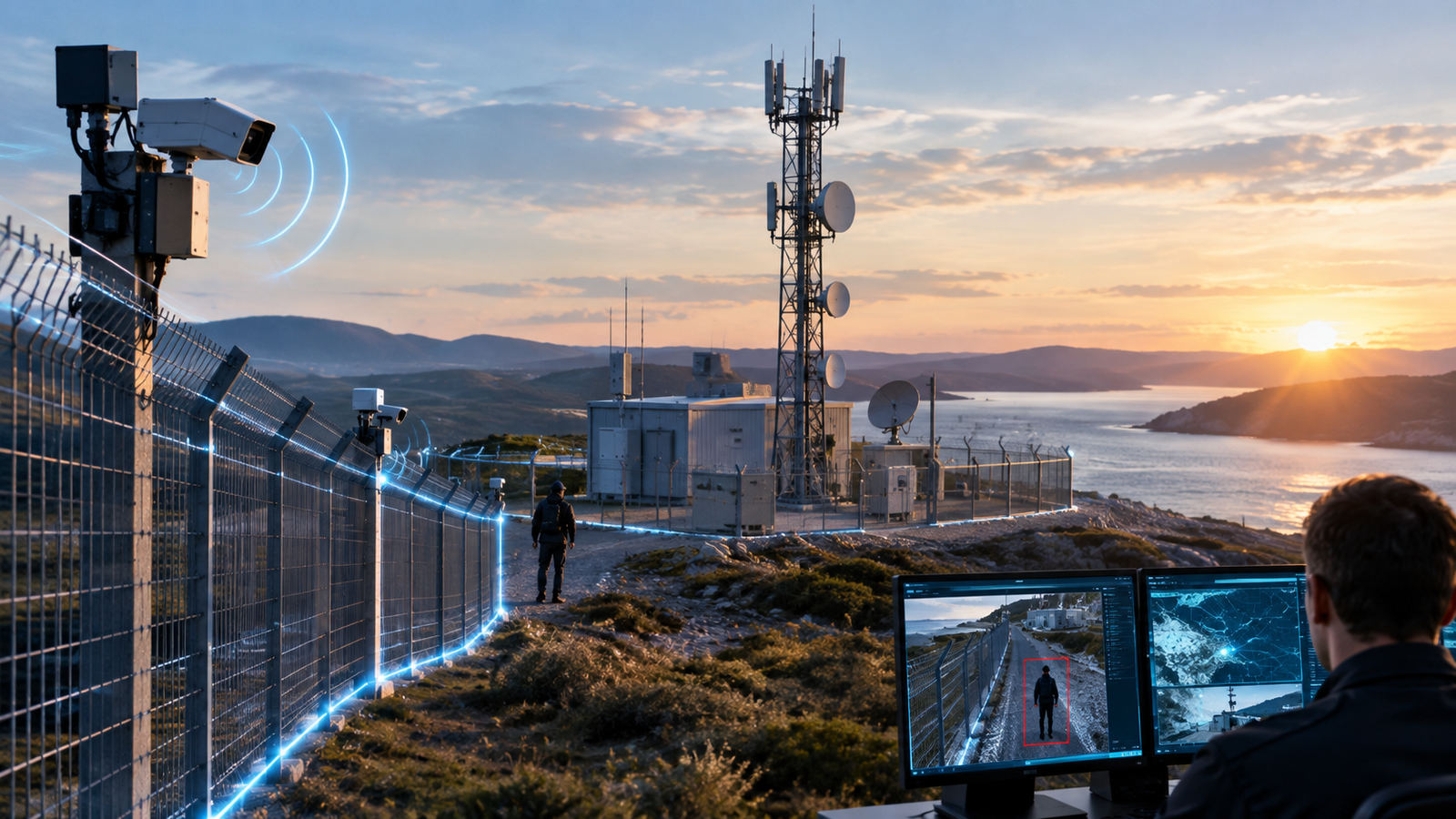
PIDS can provide the detection layer while existing CCTV helps the receiving team assess an alarm visually.
For operators planning PIDS CCTV integration, compatibility should be confirmed before equipment is ordered. Integration depends on the interfaces and capabilities of both systems.
The project specification should establish:
- How intrusion alarms reach the monitoring platform.
- Whether alarm zones can be linked to relevant camera views.
- How fault and tamper events are displayed.
- Who acknowledges and escalates alarms.
- What happens if communications fail.
Sysco Tech specialises in PIDS. Where integration is required, the work should be coordinated with the client and providers responsible for existing CCTV, access control or monitoring systems.
6. Agree Power, Communications and Response Arrangements
Remote substation perimeter protection depends on dependable alarm delivery.
A system may detect an intrusion locally, but the operational benefit is reduced if the alarm cannot reach the responsible team. Power and communication failures therefore need to be considered alongside intrusion events.
Before PIDS installation, confirm the required backup arrangements, fault reporting and recovery procedures. Any backup duration should be specified according to the site’s requirements rather than assumed.
Also define what happens after an alarm: who reviews it, who attends if necessary, and how access is coordinated safely with the substation operator.
7. Specify Commissioning and Acceptance Testing
Commissioning should demonstrate that the installed perimeter intrusion detection system meets the agreed specification.
Acceptance testing should cover representative intrusion scenarios, alarm locations, integration and fault reporting. Where specified, it should also verify behaviour during power or communication failures.
Request a documented handover covering:
- Detection-zone plans and equipment locations.
- Test results and agreed acceptance criteria.
- System settings and operating instructions.
- Alarm investigation and escalation procedures.
- Maintenance requirements and support contacts.
Performance should also be reviewed after handover. A short commissioning visit cannot represent every weather condition or operational activity the system will encounter.
8. Include PIDS Maintenance in the Budget
Substation PIDS performance can change as fencing deteriorates, vegetation grows or site activities change.
A maintenance plan should include inspection, functional testing and review of alarm history. Repeated unwanted alarms need investigation rather than routine dismissal.
Testing may also be needed after fence repairs, equipment changes or nearby construction work.
When comparing proposals, consider the full cost of ownership: installation, integration, commissioning, maintenance, support and any applicable software charges. The cheapest initial quotation may not provide the most suitable long-term solution.
Planning PIDS for Your Electrical Substation?
Effective electrical substation perimeter security depends on a system designed around the site, its boundary and its response arrangements.
Sysco Tech designs, supplies, installs, commissions and maintains perimeter intrusion detection systems for UK sites. We can assess your fence and detection requirements and discuss integration with compatible existing security systems.
Explore our perimeter intrusion detection systems or fence intrusion detection solutions.
To discuss PIDS for an electrical substation, contact Sysco Tech on 01772 621716 or email enquiries@syscotech.co.uk.
Frequently Asked Questions
Can PIDS be installed on an existing substation fence?
Often, yes, subject to a survey. The fence must be compatible with the proposed technology and in suitable condition. Repairs may be required before installation.
Does a substation PIDS replace CCTV?
PIDS detects activity at the protected boundary. Existing CCTV can support visual assessment of an alarm. Integration should be specified and checked for compatibility.
How much does PIDS installation cost?
Cost depends on perimeter length, fence condition, detection technology, zoning, power, communications and integration requirements. A site survey provides the basis for a meaningful quotation.
How often should substation PIDS be serviced?
The schedule should follow the manufacturer’s guidance and the site’s operational requirements. Additional checks may be needed after fence repairs, system changes or unexplained alarm activity.