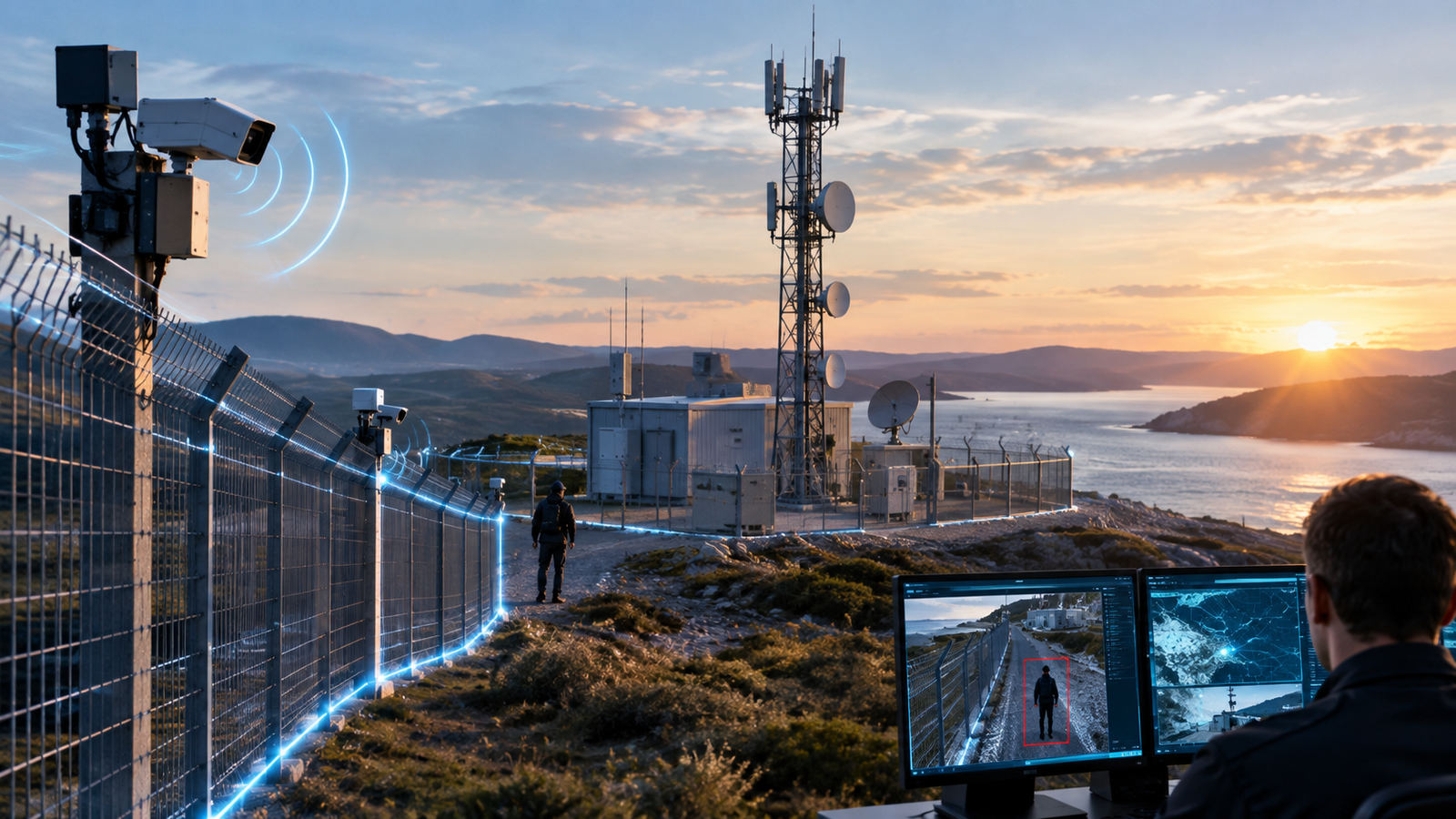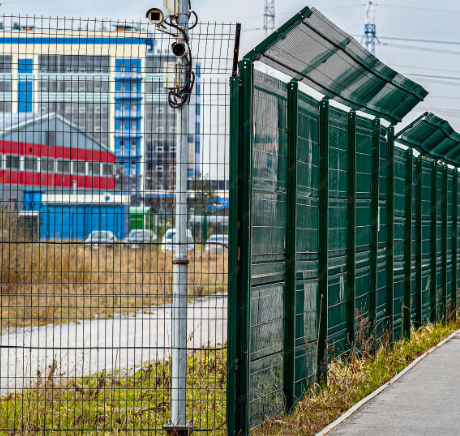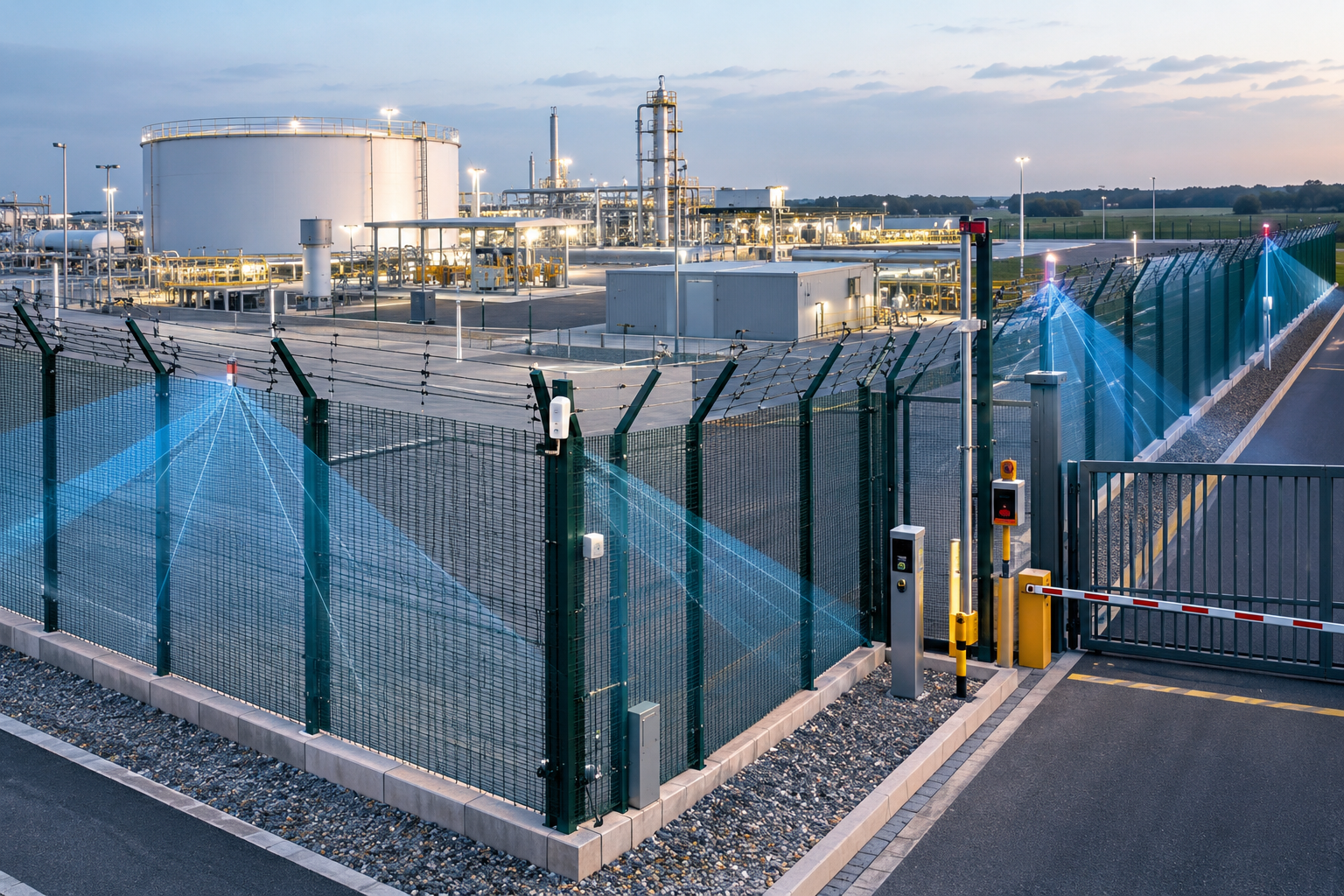
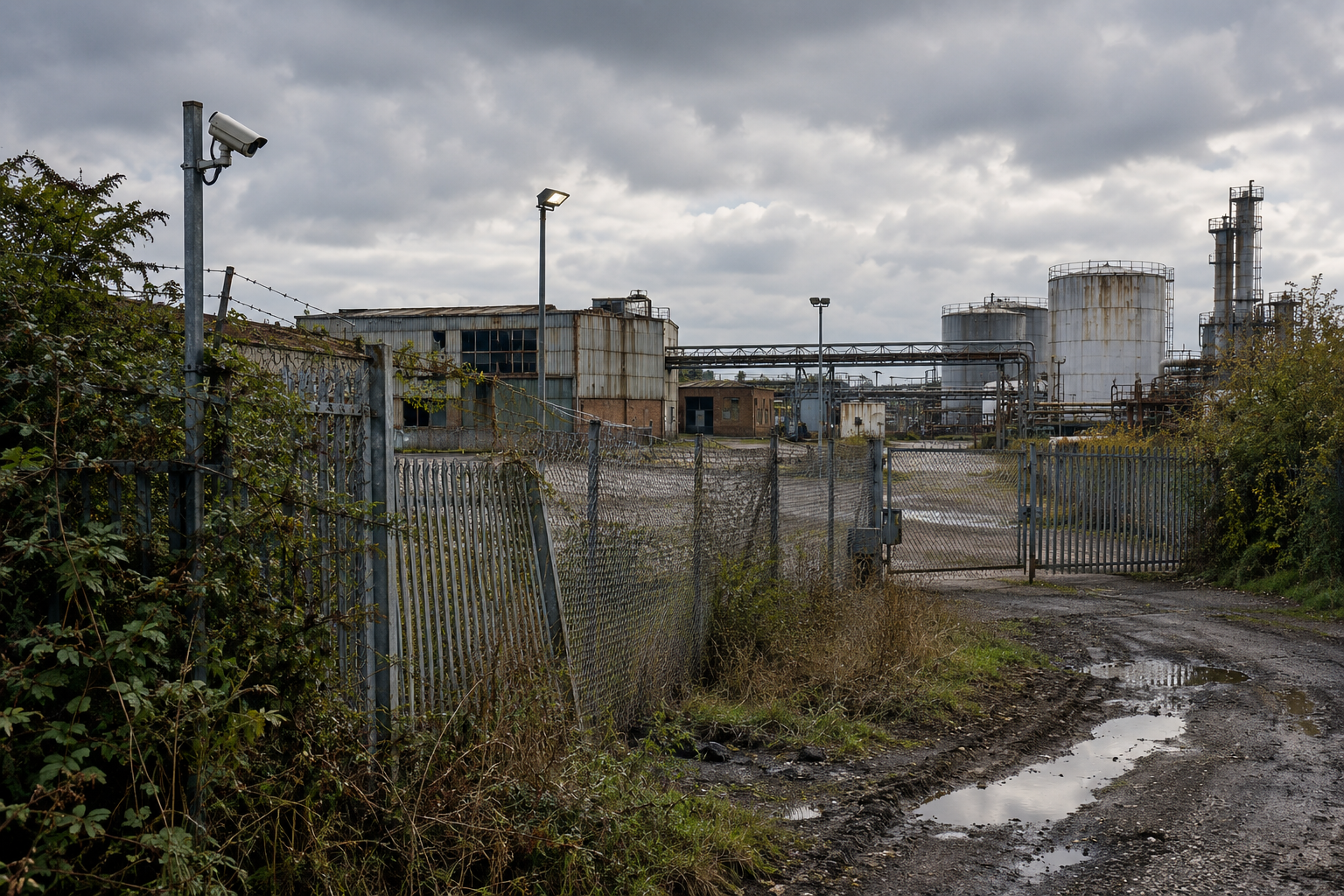
Brownfield industrial sites present unique security challenges. Unlike newly developed facilities, these sites often contain ageing infrastructure, modified layouts, legacy fencing and operational areas that have evolved over many years. These conditions can make it difficult to maintain consistent perimeter protection and identify vulnerabilities before they are exploited.
For operators of industrial facilities, energy infrastructure, chemical plants and other high-security environments, effective perimeter security requires more than a physical boundary. It requires a clear understanding of site-specific risks, reliable intrusion detection and a security strategy that accommodates existing infrastructure without unnecessarily disrupting operations.
What Makes Brownfield Industrial Sites Different?
Brownfield sites are previously developed industrial or commercial locations that may be undergoing redevelopment, modernisation or continued operation. Some remain fully operational, while others contain unused buildings, redundant equipment or areas awaiting refurbishment.
Their existing layouts can create several challenges for physical security.
- Ageing perimeter infrastructure: Older fences, gates and boundary structures may have deteriorated over time. Previous repairs and modifications can also leave inconsistencies that complicate security planning.
- Changing site layouts: Industrial facilities frequently expand, remove buildings or repurpose operational areas. Security arrangements that once suited the site may no longer provide adequate protection.
- Complex boundaries: Brownfield sites can include irregular boundaries, adjoining properties, service roads, railway sidings and shared access routes. These features make it harder to establish a clearly defined and consistently monitored perimeter.
- Ongoing industrial activity: Maintenance work, contractor access and construction activities can introduce temporary openings or changes to normal site operations. Security systems must accommodate legitimate activity without compromising protection.
These challenges mean that a standard perimeter security approach may not be suitable for every brownfield facility.
1. Identifying Vulnerabilities in Existing Fences
One of the first challenges is understanding the condition and effectiveness of the existing perimeter.
Older industrial fences may have weak sections, inconsistent heights, damaged panels or areas that have been modified to accommodate equipment and vehicle access. Even when a fence appears physically intact, its configuration may leave sections inadequately protected.
A perimeter assessment should examine the entire boundary, including gates, fence transitions, service entrances and less frequently inspected sections. It should also consider whether the existing structure is suitable for the proposed intrusion detection technology.
Perimeter intrusion detection systems (PIDS) can provide an additional layer of protection by identifying potential intrusion attempts at the boundary. Depending on the technology selected, these systems may detect activities such as climbing, cutting or other disturbances to a fence.
However, detection performance depends on the system design, installation conditions and compatibility with the existing fence. Assessing these factors before deployment helps establish a more reliable security solution.
2. Installing PIDS Without Replacing Existing Infrastructure
Replacing an entire perimeter fence can be expensive and disruptive, particularly at an operational industrial facility. Existing infrastructure may still be structurally suitable, making an upgrade more practical than a complete replacement.
Fence intrusion detection technology can help improve protection while retaining suitable existing fencing. The important consideration is whether the fence and its surroundings are compatible with the selected detection system.
Before installation, security planners should consider:
- The condition, construction and stability of the existing fence.
- Whether the fence is suitable for the chosen intrusion detection technology.
- The impact of gates, corners, joints and changes in fence construction.
- The availability of power, communications and suitable equipment locations.
- The effect of ongoing maintenance and future site development.
A carefully planned installation can help reduce unnecessary infrastructure changes while supporting the site’s wider security objectives.
3. Managing False Alarms in Industrial Environments
Brownfield industrial facilities can be noisy and physically complex environments. Wind, vibration, nearby machinery, moving vegetation and routine maintenance may affect the performance of some perimeter detection technologies.
Unnecessary alarms can place additional pressure on security teams, particularly where long boundaries or multiple facilities are monitored from a central control room.
Selecting an appropriate perimeter intrusion detection system requires an understanding of the site’s environmental conditions and expected activity. Installation quality, system configuration and commissioning are also important considerations.
Security teams should establish clear alarm verification and response procedures. This helps operators distinguish potential security incidents from routine activity and respond appropriately.
Rather than judging a PIDS solely by its ability to detect intrusions, organisations should also consider how reliably it performs under the actual conditions present at their site.
4. Protecting Large and Irregular Perimeters
Many brownfield facilities occupy extensive sites developed in stages over several decades. Their boundaries may include different fence types, retaining walls, access roads and sections bordering public or privately owned land.
Protecting these environments requires a site-specific design rather than assuming that one configuration will perform consistently across every boundary section.
A perimeter risk assessment can help identify areas requiring additional protection, determine where detection technology is appropriate and establish how alarms should be communicated to security personnel.
For larger facilities, the security design should also account for monitoring arrangements, communications infrastructure and the ability to investigate alarms efficiently.
The objective is to create consistent security coverage while recognising that different sections of the perimeter may have different physical characteristics and risk levels.
5. Maintaining Security During Redevelopment and Construction
Redevelopment can temporarily change the security profile of a brownfield site. Contractors may require additional access, sections of fencing may need to be moved, and equipment or materials may be stored close to the boundary.
These changes can create gaps between the original security design and the site’s current configuration.
Security managers should coordinate perimeter protection with project managers, facilities teams and contractors before significant site changes take place.
Useful measures include reviewing temporary access arrangements, reassessing affected boundary sections and updating security procedures as construction progresses.
Where intrusion detection equipment is installed, any changes to the fence or surrounding environment should be assessed to determine whether they affect system coverage or performance.
Security planning should continue throughout the redevelopment process rather than treating the initial installation as a permanent solution.
6. Integrating Perimeter Protection With Existing Security Operations
Brownfield sites may already use access control, security personnel, alarm monitoring and other physical security measures. Introducing perimeter intrusion detection should complement these arrangements rather than create a separate, disconnected system.
Integration requirements depend on the technologies already in place and the operational needs of the facility. They may include alarm presentation at a security control room, agreed escalation procedures and coordination with existing incident management processes.
It is important to distinguish perimeter intrusion detection from CCTV. A PIDS is designed to detect potential intrusion activity at a protected boundary, whereas CCTV supports visual monitoring and alarm verification. Where appropriate, the two can complement one another as part of a layered security strategy.
For high-risk industrial environments, the wider objective is to identify potential breaches early, communicate actionable information to security personnel and support an appropriate response.
7. Planning for Future Site Changes
A perimeter security system must remain suitable as a facility evolves. Brownfield sites may undergo further expansion, refurbishment, equipment installation or changes in operational use after the initial security upgrade.
A solution that meets today’s requirements may need adjustment when the site changes.
Before selecting a system, organisations should consider how easily the design can accommodate future modifications. They should also establish arrangements for routine inspections, maintenance, performance reviews and reassessment following significant infrastructure changes.
This is particularly important for facilities where operational continuity and perimeter protection must be maintained simultaneously.
How to Choose the Right Perimeter Security System for a Brownfield Site
Selecting a perimeter security system begins with understanding the site rather than choosing technology based on specifications alone.
Industrial operators should assess the existing fence, identify security risks, consider environmental conditions and establish the operational requirements for detection and alarm response.
The following questions can help guide the process:
- Is the existing fence suitable for intrusion detection, or does it require remedial work?
- Which sections of the boundary present the greatest security risks?
- What environmental conditions could affect detection performance?
- How will the system accommodate gates, access points and changing site layouts?
- Can alarms be integrated into existing security monitoring procedures?
- What maintenance and future expansion requirements should be considered?
The answers will help determine whether a fence-based intrusion detection system or another perimeter detection approach is appropriate for the facility.
For operators of critical infrastructure and high-security industrial sites, system selection should also account for the consequences of a perimeter breach and the response capabilities available on site.
Strengthening Brownfield Site Security With SyscoTech
Brownfield industrial sites require a considered approach to perimeter protection because existing infrastructure, changing layouts and ongoing operations can make security upgrades more complex.
A suitable perimeter intrusion detection system can help organisations identify potential boundary breaches while making effective use of existing infrastructure where conditions permit. The right solution should reflect the site’s physical characteristics, security risks and operational requirements.
Sysco Tech specialises in perimeter intrusion detection and perimeter protection systems for high-security environments. Its solutions are designed to support the protection of sites where reliable perimeter detection is an important part of the wider physical security strategy.
For organisations reviewing security at an existing industrial facility, assessing the perimeter and its vulnerabilities is a practical first step towards determining the most appropriate protection strategy.
Planning a perimeter security upgrade at an existing industrial site? Contact Sysco Tech to discuss your site’s requirements and explore suitable perimeter intrusion detection options.
Frequently Asked Questions
What is a brownfield industrial site?
A brownfield industrial site is a previously developed industrial or commercial location that may remain operational, be refurbished or undergo redevelopment. Existing infrastructure and changing site conditions can create specific challenges for perimeter security.
Can a perimeter intrusion detection system be installed on an existing fence?
Yes, in suitable circumstances. Compatibility depends on the fence’s construction, condition, stability and the technology selected. A site assessment can establish whether the existing fence is suitable or requires modification.
What are the main perimeter security risks at brownfield sites?
Common challenges include ageing fences, irregular boundaries, changing access arrangements, construction activity, environmental interference and inconsistent security coverage across different parts of the site.
How can industrial sites reduce false alarms from perimeter detection systems?
Organisations should select technology suited to the site environment, ensure correct installation and configuration, commission the system appropriately and establish clear alarm verification procedures. Performance should be reviewed as site conditions change.
Is CCTV enough to protect a brownfield industrial perimeter?
CCTV can support surveillance and visual verification, but it serves a different function from perimeter intrusion detection. A layered approach combining suitable detection technology, monitoring procedures and other security measures may provide more comprehensive protection.
How often should perimeter security be reviewed?
Perimeter security should be reviewed following significant changes to site infrastructure, access arrangements or operational use, as well as through planned inspections and maintenance. The review frequency should reflect the facility’s risk profile and applicable security requirements.