Perimeter Security Systems for Business

Why Every Business Should Protect Its Outer Boundaries

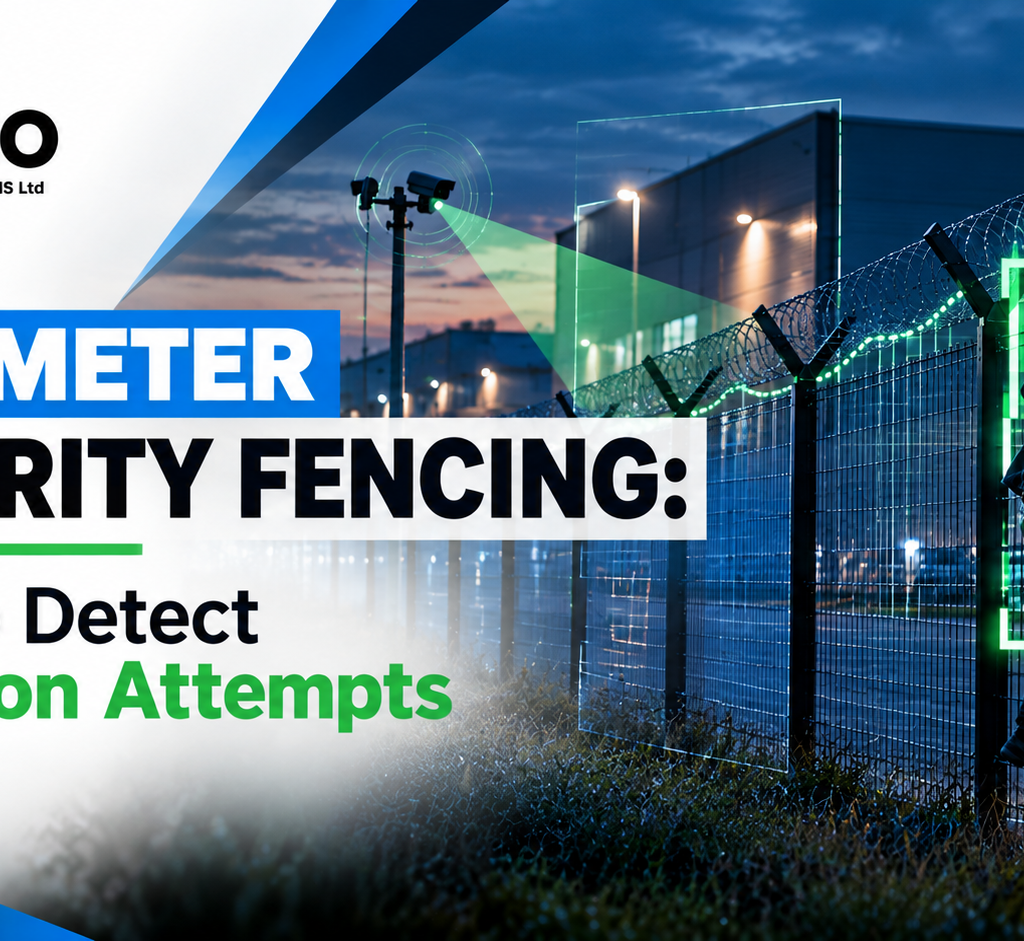
In modern-day society, business security has taken a new turn, and it is much more than locking doors or having CCTV cameras. As threats, both virtual and physical, increase, the physical space of companies needs to take precedence. Amongst the best methods to achieve this is through perimeter security engineeringyour initial protective barrier against thieves, vandals, burglary, and unauthorized access.

Understanding the Modern Business Security Landscape

The security threats are not predictable. Businesses require multi-layered protection against trespassers, premeditated theft, and even insiders. And that is the security at the frontier.

What Are Perimeter Security Systems?

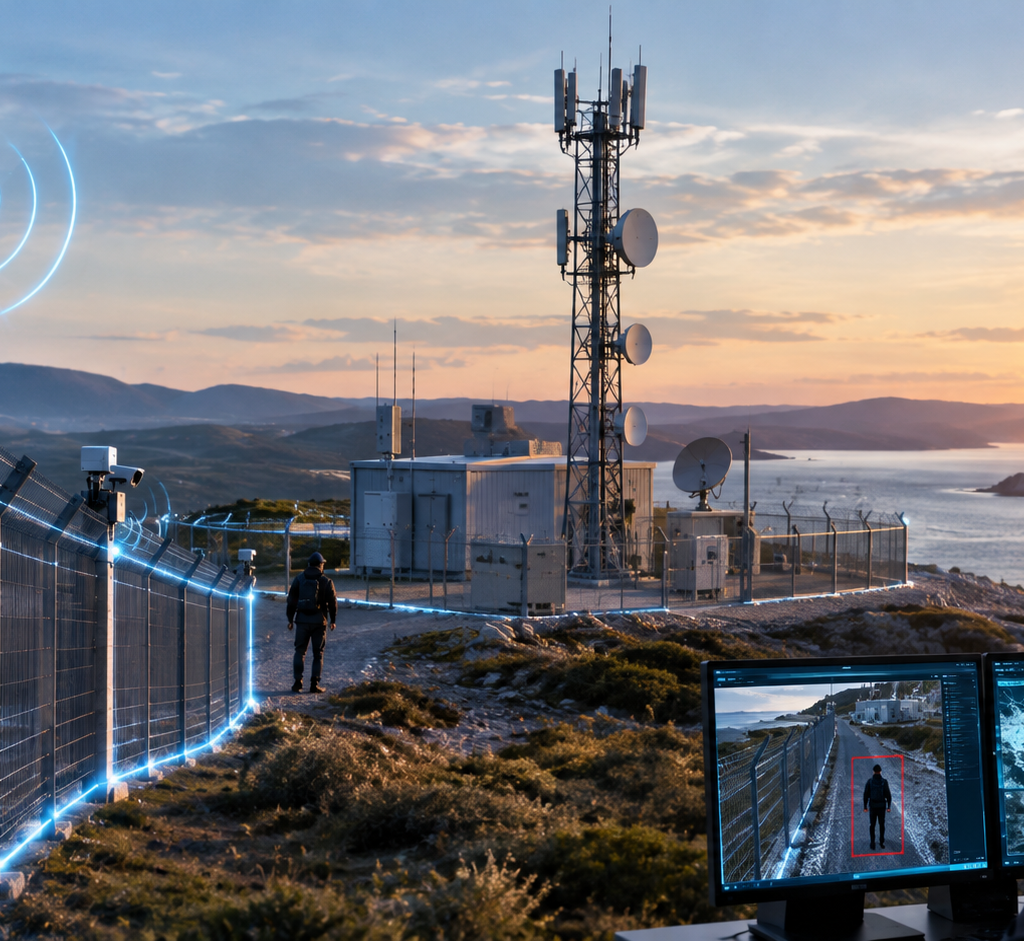
Perimeter security systems are protective measures that are established around the periphery of a property. These are primarily intended to identify, thwart, postpone, and protect the entrance from an intruder before the aggressor reaches the structure. These systems include protection as barrier systems (physical obstacles) and intelligent surveillance systems (AI), which are also known as smart systems.

Importance of Protecting Business Outer Boundaries

First Line of Defense Against External Threats

When one with ill motives is unable to penetrate your property, then they will not be able to damage your business. Perimeter protection provides a secure rampage zone in your facility, and risks are instantly diminished.

Reducing Internal & External Security Risks

Strong outer protection minimizes both:

  • Break-ins
  • Unauthorized access
  • Property damage
  • Insider misuse

Protecting Employees, Assets, and Data

It is not only equipment, it is people and the secrets of your business. A secure environment encourages security and productivity.

What Is Perimeter Protection?

Perimeter protection encompasses the systems in place that help you to keep track of who or what can access a physical boundary to your property.

How It Differs From Internal Security

The security is internal, which covers the building. Perimeter protection makes sure that threats do not even get in.

Key Components of an Effective Perimeter Security System

1. Fencing and Barriers

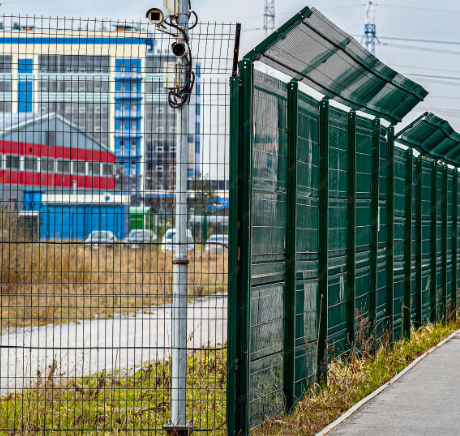
High-containing perimeter fencing establishes a physical barrier that will prevent wrongful access.

2. Security Cameras and Surveillance

The CCTV cameras will assist in tracking real-time activities and act as a visual deterrent.

3. Motion Sensors & Intrusion Detection

The sensors identify unnatural movement or forced intrusion at the border.

4. Access Control Gates

These systems guarantee the entry passage of certain persons or vehicles by the authorized persons or vehicles.

5. Alarm Systems

The security teams are alerted immediately when a perimeter breach has been identified.

Physical Security Meets Technology

Modern perimeter protection goes beyond fences; it includes smart systems.

AI-Powered Monitoring

Artificial intelligence can:

  • Detect suspicious behavior
  • Track movement patterns
  • Send automatic alerts to security staff.

Automated Threat Response

Integrating alarms, cameras, and control systems makes response faster and more efficient.

Benefits of Perimeter Protection

Real-Time Threat Detection

Smart systems detect threats the moment they occur.

Improved Employee Safety

A secure workplace promotes trust, confidence, and productivity.

Cost Savings

Preventing incidents is far cheaper than dealing with them afterward.

Industries That Benefit Most

  • Warehouses and storage yards
  • Manufacturing plants
  • Retail centers
  • Hospitals and schools
  • Airports and transportation hubs
  • Government and utility sites

If your business has a physical space, it needs perimeter protection.

Common Mistakes Businesses Make

  • Depending only on internal alarms
  • Using outdated cameras or lighting
  • Not updating systems as threats evolve.
  • Not getting expert installation and configuration.

How to Choose the Right Perimeter Security System

1. Evaluate Your Security Needs

Every business property is unique.

2. Work With Security Experts

Professionals assess vulnerabilities accurately.

3. Choose a Scalable Solution

Your security system must grow with your business.

Why Partner with SyscoTech

Visit: SyscoTech specializes in:

  • Advanced, reliable perimeter security systems
  • Tailored perimeter protection solutions
  • Professional installation and ongoing support

Whether it’s a small business or a large industrial facility, SyscoTech designs systems that truly protect.

Conclusion

Protecting your business begins by protecting its borders. Professional perimeter protection allows companies to avoid threats before they get to critical places, saving them time and money, as well as providing some peace of mind. An effective perimeter is not an option; it is a necessity of doing business.

What Is Perimeter Security

🚨 False Alarms Don’t Just Waste Time – They Drain Budgets

How Intelligent Perimeter Intrusion Detection Systems Improve Reliability and Reduce Costs

In modern security operations, false alarms are one of the most underestimated problems. Every unnecessary call-out, every false signal, and every minute spent investigating harmless activity adds up – draining time, money, and focus.

Many businesses still rely on perimeter intrusion detection systems that cannot reliably distinguish between real intrusions and environmental noise. The result? Frequent false alerts caused by wind, rain, wildlife, or even nearby vehicle movement.

Over time, these false alarms lead to a dangerous outcome – security fatigue. Teams become desensitised, response times drop, and trust in the system declines. That’s why upgrading to intelligent perimeter detection systems has become a critical step for organisations that value both safety and efficiency.

Understanding False Alarms in Perimeter Security

A perimeter intrusion detection system (PIDS) is designed to identify and alert teams to unauthorised movement along a boundary, fence, or restricted area. These systems play a vital role in protecting industrial sites, warehouses, airports, power plants, and high-value facilities.

However, traditional systems often lack the intelligence to filter out non-threatening activity. Common causes of false alarms include:

  • Weather conditions such as strong winds, heavy rain, or hail
  • Wildlife and birds triggering sensors
  • Vibrations from nearby machinery or vehicles
  • Loose fences or gates moving in the wind
  • Signal interference or outdated calibration

Each false trigger consumes manpower, interrupts workflow, and diminishes trust in the system’s reliability. Over time, this results in a costly and inefficient security operation.

The Hidden Cost of False Alarms

It’s easy to underestimate the financial impact of false alarms. But consider this: Every false call-out requires response time from security teams, possibly coordination with law enforcement, and often halts normal operations until the situation is verified.

Studies have shown that false alarms can account for up to 90% of all alerts in poorly calibrated systems.Even if each response only takes a few minutes, the cumulative cost in person-hours, lost productivity, and system wear becomes substantial.

Moreover, frequent false alarms damage credibility. When teams start ignoring alarms that “always turn out to be nothing”, real intrusions can go unnoticed – a risk no organisation can afford.

The Role of Intelligent Signal Processing

Modern perimeter intrusion detection systems have evolved far beyond simple vibration or motion sensors. Advanced solutions now integrate signal intelligence – using algorithms to analyse vibration patterns, frequencies, and environmental data in real time.

This allows the system to distinguish between a real intrusion and harmless disturbances such as wind or small animals. The result is fewer false alarms and faster, more confident decision-making.

At Sysco Tech, our perimeter detection systems are designed around this principle. By combining sensor precision with intelligent data processing, we ensure your teams are alerted only when a genuine threat is detected.

Key Benefits of Intelligent Perimeter Detection Systems

  1. Reduced False Alarms: Advanced processing filters out noise from environmental factors, ensuring that alerts are only raised when necessary.
  2. Reliable Detection: Intelligent sensors analyse vibration signatures and movement patterns to identify genuine intrusion attempts.
  3. Higher Operational Efficiency: By minimising false alerts, teams can focus on what truly matters – responding to real security events.
  4. Improved Safety and Compliance: A more accurate system ensures your facility remains compliant with safety regulations and insurance standards.
  5. Lower Long-Term Costs: Reduced false call-outs mean lower manpower costs and less downtime, directly improving your bottom line.

Integration with Existing Security Systems

One of the major advantages of modern perimeter intrusion detection systems is their ability to integrate seamlessly with existing security infrastructure. Whether you’re using CCTV, access control, or alarm management software, today’s PIDS solutions can enhance visibility and coordination.

When integrated properly, a perimeter intrusion detection system can automatically trigger cameras, activate lights, or alert control rooms – ensuring immediate situational awareness without human delay.

This integration turns a traditional security setup into a smart, connected defence network capable of rapid response and data-driven decision-making.

Choosing the Right Perimeter Intrusion Detection System

Not all detection systems are created equal. When selecting a perimeter intrusion detection system, consider the following:

  • Environment: Is your site exposed to harsh weather or high noise levels?
  • Perimeter Type: Do you need fence-mounted sensors, buried cable systems, or microwave barriers?
  • Scalability: Can the system expand as your facility grows?
  • Integration: Does it work smoothly with your existing CCTV or access control systems?
  • Maintenance: How easy is calibration and long-term operation?

The right solution should combine accuracy, reliability, and ease of use, ensuring your investment delivers consistent protection without excessive maintenance or cost.

Sysco Tech’s Approach to Smart Perimeter Protection

At Sysco Tech, we understand that every site faces unique challenges. That’s why our perimeter intrusion detection systems are built with adaptability and intelligence at their core.

Our solutions use advanced signal analysis to differentiate between real intrusions and environmental factors, reducing false alarms and improving team confidence. Whether you manage a critical infrastructure site or a private industrial facility, Sysco Tech ensures:

  • Uninterrupted monitoring, 24/7
  • Fast, accurate detection of perimeter breaches
  • Seamless integration with your existing security ecosystem
  • Custom configuration for your specific risk profile

When security efficiency matters, intelligence is the key – and Sysco Tech delivers it where it counts: at the perimeter.

Final Words: 

False alarms may seem harmless at first, but their cumulative effect can cripple security performance and waste thousands in unnecessary responses. By investing in intelligent perimeter intrusion detection systems, organisations gain not just better protection, but also efficiency, reliability, and long-term cost savings.

A smarter perimeter means your teams stay alert to real threats – and your operations stay secure, confident, and uninterrupted.

Learn more about how Sysco Tech’s perimeter detection systems can help protect your assets and reduce false alarms at 👉 syscotech.co.uk

Physical Security Systems Trends for 2025

Top 10 Physical Security Systems Trends for 2025

Introduction to Physical Security Systems

Smart technology, automation, and real-time monitoring have changed physical security systems rapidly. Security is no longer a matter of rudimentary technology, whether in an office of the corporate world, in an industrial or factory, a home building, or in an infrastructural system.

In case you need modern and efficient solutions, you can consider such companies as Sysco Tech Solution, which provide in-depth physical security systems that will guard your premises.

Why Physical Security Still Matters in a Digital-Driven Environment

The security of the cyber is to protect computerised information. However, physical risks include theft, unauthorised access, and vandalism and are still a big problem. Modern systems have integrated both physical and digital security. This integration has all-inclusive protection.


Trend #1: AI-Driven Surveillance Systems

AI has transformed CCTV from passive recording tools into proactive alert systems. Cameras can now detect suspicious behaviour, track movement patterns, and send instant alerts.

Intelligent Video Analytics

These systems reduce the need for human monitoring, making security more efficient and accurate.


Trend #2: Facial Recognition Access Control

Face ID technology is replacing traditional keycards and PIN codes. It’s faster, more secure, and nearly impossible to duplicate. This trend is booming in corporate offices and high-security facilities.


Trend #3: Cloud-Based Security Management

No more storing footage on physical drives. Cloud-based systems offer:

  • Remote monitoring

  • Unlimited storage scalability

  • Real-time updates

Business owners can monitor security anytime, anywhere.


Trend #4: Smart Perimeter Protection

Perimeter security is no longer just fences and gates. Now it includes:

Motion & Thermal Detection

These detectors monitor intrusions, especially in low-light or harsh weather conditions. They instantly alert security teams, reducing response times.


Trend #5: Integrated Cyber-Physical Security

Security systems now connect to IT networks. This ensures protection from hackers who might try to disable alarms or cameras. Businesses are embracing unified security dashboards to manage both digital and physical threats together.


Trend #6: Biometric Authentication Systems

Fingerprint, iris scan, and palm vein technology are becoming common. They ensure only authorised individuals enter restricted areas.


Trend #7: Drone Surveillance & Remote Monitoring

Drones are revolutionising large-area security, especially in:

  • Warehouses

  • Construction sites

  • Industrial plants

They provide real-time aerial surveillance with minimal manpower.


Trend #8: Smart Locks and IoT Sensors

These locks and sensors connect to mobile apps and building automation systems, offering remote access control and real-time tracking.


Trend #9: Zero-Trust Security Frameworks

The Zero-Trust model assumes no person or device is trusted by default. Every access request requires verification, ensuring enhanced facility protection.


Trend #10: Sustainability in Security Hardware

Energy-efficient cameras, solar-powered fencing alarms, and recyclable security materials are rising in demand as ESG compliance becomes a global priority.


Benefits of Upgrading Your Security in 2025

  • Stronger protection against intruders

  • Lower long-term operational costs

  • Faster response times during emergencies

  • Improved compliance with regulatory standards


Choosing the Right Physical Security Provider

When selecting a provider, consider:

  • Experience and reputation

  • Range of solutions

  • Integration with existing systems

  • 24/7 support and maintenance

Syscotech is a trusted leader in providing tailored Physical Security Systems solutions in the UK.


Conclusion

Perimeter Intrusion Detection for Data Centers

Perimeter Intrusion Detection for Data Centers: Why Firewalls Aren’t Enough

In today’s digital-first world, data centres are the heartbeat of modern infrastructure. They house servers, networking equipment, and critical information that powers businesses, governments, and online services. Most organisations invest heavily in cybersecurity – firewalls, antivirus software, and intrusion prevention systems – but what about the physical security of the data center itself?

The truth is, firewalls alone are not enough. A growing number of breaches and threats stem not just from the cyber world, but from physical perimeter breaches. That’s where perimeter intrusion detection systems (PIDS) and perimeter detection systems come into play.

Why Firewalls Fall Short?

While firewalls play a crucial role in blocking malicious digital traffic, they have zero visibility when it comes to physical threats. Firewalls cannot stop:

  • A person cutting through a fence
  • A vehicle breaching a security gate
  • A drone surveying your facility from above
  • Power cables are being tampered with outside the building
  • Vandalism or theft of outdoor equipment

These are all real-world risks that must be addressed with robust perimeter intrusion detection systems.

What Is a Perimeter Intrusion Detection System?

A perimeter intrusion detection system is a network of physical sensors and smart technologies designed to detect, analyse, and alert on attempted breaches around a facility’s outer boundary. Unlike firewalls, which protect data in the virtual space, these systems protect the physical perimeter of your infrastructure.

  • Modern perimeter detection systems can include:
  • Fence vibration or tension sensors
  • Ground radar or seismic sensors
  • Microwave and infrared beams
  • Thermal imaging cameras
  • AI-powered video analytics
  • Acoustic sensors
  • Integration with CCTV and access control systems

These technologies combine to detect potential intrusions before someone even reaches the building – allowing your security team to act quickly.

Why Data Centres Need Perimeter Detection Systems

24/7 Operation Means Continuous Exposure

Data centres operate around the clock, making them a target at all hours. You need real-time perimeter intrusion detection that works day and night, regardless of lighting or weather.

Expensive Infrastructure

Servers, power supplies, and cooling systems – these assets are not only expensive but critical. A breach could result in downtime, data loss, or compliance violations.

High-Value Target

Data centers are often the target of intentional attacks. Whether it’s cybercriminals looking for physical access to a network, or disgruntled insiders, your firewall can’t stop someone with bolt cutters.

Compliance and Insurance

Many industries – finance, healthcare, cloud services – require physical security systems as part of compliance. Perimeter intrusion detection systems are often a core requirement.

Components of a Robust Perimeter Detection System

At Sysco Tech, we design custom perimeter intrusion detection systems that integrate seamlessly with existing security infrastructure. Here’s what makes an effective system:

Sensor Variety: Using a mix of technologies (e.g., radar, vibration, infrared) increases reliability and reduces false alarms.

Environmental Adaptability: The system must function in rain, fog, snow, or low-light conditions – especially important for UK-based facilities.

Smart Analytics: Artificial intelligence can distinguish between a person and a fox running across the field. Smarter systems = fewer false alarms.

CCTV Integration: Perimeter detection systems should trigger cameras to record, zoom, or alert a control room when movement is detected.

Access Control Sync: Linking your perimeter intrusion detection system to entry points ensures full tracking of who is entering, when, and how.

Remote Monitoring: Cloud-based dashboards and mobile alerts mean your team stays informed, even off-site.

Firewalls + PIDS = True Data Center Security

Let’s be clear: this isn’t about choosing between firewalls and physical security. You need both.

Here’s how they work together:

Threat Type Firewall Protection PIDS Protection
Malware / Virus
Network intrusion attempt
Physical trespassing
Vandalism or sabotage
Power/cooling tampering
Insider with a keycard (with integration)

Only by combining digital and physical security layers can data centers maintain true protection.

Real-World Scenarios

Imagine this: A criminal climbs your perimeter fence at 2:45 a.m., planning to cut external cables and disrupt service. Your firewall remains silent – after all, no network traffic is involved.

But your perimeter intrusion detection system triggers:

  • Fence sensor detects vibration
  • PTZ camera auto-zooms on the location
  • The control room gets a real-time alert
  • Security patrol is dispatched in under 60 seconds

The criminal is caught before they reach the building. That’s the power of perimeter detection systems.

Scalable for Any Facility

Whether you operate a single-edge facility or a multi-site data campus, our perimeter intrusion detection systems are built to scale. From compact installations to multi-acre campuses, we tailor your solution to your site and threat profile.

At Sysco Tech, we’ve deployed perimeter detection systems for:

  • Colocation data centers
  • Cloud hosting providers
  • Government facilities
  • Energy and telecom infrastructure

Each deployment is unique – but all share the need for smart, integrated perimeter intrusion detection.

Planning Your Next Security Upgrade?

Here’s a simple process to get started with Sysco tech:

  1. Book a free security consultation
  2. We assess your current perimeter and infrastructure
  3. You receive a detailed system proposal with no obligation
  4. We install and integrate your perimeter intrusion detection system
  5. Ongoing support and monitoring available if needed

Key Benefits Recap

  • Prevent physical breaches before they happen
  • Reduce false alarms with intelligent analytics
  • Increase compliance with data protection standards
  • Secure outdoor infrastructure like generators & cooling units
  • Integrate with firewalls, CCTV & access control for total protection
  • Peace of mind for 24/7 critical facilities

🔚 Final Thoughts

Firewalls are an essential part of your cybersecurity strategy – but they leave your physical perimeter completely exposed. As data centers grow in scale and value, they become prime targets for physical intrusion.

A well-designed perimeter intrusion detection system closes that gap – giving you eyes, ears, and alerts at every boundary. Whether it’s a lone intruder or a coordinated threat, early detection makes the difference between a minor incident and a major disaster.

📞 Ready to Secure Your Perimeter?

Talk to Sysco tech today about our tailored perimeter intrusion detection systems for data centers and critical facilities.

🔗 Visit syscotech.co.uk
📧 info@syscotech.co.uk
📞 0123 456 789

perimeter intrusion detection systems (PIDS)

Fuel Theft at Larkhill Camp Highlights the Urgent Need for Advanced Perimeter Intrusion Detection Systems

When intruders cut through a fence at Larkhill Camp in Wiltshire to steal fuel from a civilian tanker, it was more than a criminal act – it was a warning.

The British Army confirmed the security breach occurred on 4 October, prompting investigations by both the Royal Military Police and Wiltshire Police. The theft exposed a recurring vulnerability across critical UK sites: outdated perimeter defences and inadequate monitoring.

In a time when national security depends as much on technology as manpower, incidents like Larkhill show why the UK must urgently upgrade its perimeter intrusion detection systems (PIDS) and physical security systems across military, industrial, and infrastructure facilities.

A Wake-Up Call for Site Security Across the UK

This was not an isolated incident. Only months earlier, two RAF Voyager aircraft were vandalised at RAF Brize Norton, leading to calls for tighter security and comprehensive reviews of all UK military bases.

Fuel thefts, copper cable crimes, and unauthorised intrusions are rising sharply. Criminals are exploiting outdated fencing and unmonitored zones – weaknesses that a modern perimeter intrusion detection system could have prevented.

James MacCleary MP, the Liberal Democrat defence spokesman, commented that “it is alarming the government hasn’t learnt lessons from recent security breaches at other military locations.” His words echo the reality that traditional fences and CCTV networks can no longer protect high-value sites alone.

Why Traditional Fencing and CCTV Are No Longer Enough?

For decades, physical fences were considered the first and final line of defence. But as the Larkhill breach demonstrated, even the strongest fence is only as effective as the system monitoring it.

Criminals today are more organised and better equipped, often cutting through metal fencing within seconds and escaping long before any guard is alerted. While CCTV remains valuable, it’s a reactive tool – it shows what happened after an incident. By the time security teams review footage, the intruder is gone.

The problem lies in delayed detection. Without real-time alerts, by the time a breach is discovered, the damage is already done. That’s where intelligent perimeter intrusion detection systems come in – offering immediate, automated detection of intrusion attempts, from fence cutting to climbing or digging.

How Perimeter Intrusion Detection Systems Prevent Real-World Breaches

Modern PIDS technology transforms static barriers into intelligent, responsive protection systems. Using vibration sensors, fibre-optic detection lines, and AI-based analytics, these systems detect and classify intrusions the moment they occur.

  1. Fence-mounted sensors identify cutting, climbing, or tampering within seconds.
  2. Buried cable sensors detect footsteps or digging before intruders even reach the fence line.
  3. Thermal and video analytics integrate with alarm systems to confirm and track threats in real time.

Unlike older solutions, advanced PIDS reduce false alarms caused by wind, wildlife, or heavy rain – ensuring security teams focus only on genuine threats.

This kind of technology could have stopped the Larkhill intruders in their tracks. The moment the wire fence was cut, vibration and acoustic sensors would have detected the intrusion and triggered an instant alert to the control centre.

Sysco Tech: Delivering the Next Generation of PIDS

At SyscoTech.co.uk, we design and deliver perimeter intrusion detection systems engineered for critical infrastructure protection. Our technologies – such as SP3D, EcoPoint, and FlexLine – combine precision sensing, intelligent analytics, and seamless integration with existing physical security systems.

  • SP3D Sensor System: Offers 3D detection accuracy across fences and barriers, identifying precise intrusion points in real time.
  • EcoPoint Perimeter Sensors: Provide energy-efficient detection across large perimeters, ideal for logistics yards and industrial zones.
  • FlexLine Security Solutions: Designed for flexible integration with CCTV and access control systems, ensuring total situational awareness.

Whether it’s a military garrison, energy substation, airport, or data centre, Sysco Tech provides end-to-end solutions that safeguard perimeters from intrusion, sabotage, or theft.

Integration That Strengthens National Security

A true security solution doesn’t work in isolation. Modern PIDS are part of a wider ecosystem of physical security systems, integrating seamlessly with:

  • CCTV and video analytics platforms
  • Access control and barrier gates
  • Thermal imaging for night-time detection
  • Command and control software for centralised monitoring

By merging these technologies, facility managers gain a live, unified view of their site’s security posture. Every alarm, every vibration, every breach attempt is logged, analysed, and responded to in seconds.

For military or government installations, this integration ensures that no intrusion – however small – goes unnoticed. It turns reactive response into proactive defence.

From Military Bases to Industrial Sites: The Broader Implications

While the Larkhill breach involved a military site, its implications reach far beyond defence. Similar risks exist in:

  • Fuel depots and logistics facilities vulnerable to theft.
  • Airports and seaports managing high-value cargo.
  • Power stations and water treatment plants that form the backbone of critical infrastructure.
  • Pharmaceutical and data facilities requiring constant protection against intrusion or sabotage.

Every one of these environments depends on uninterrupted operations. A single breach can lead to financial loss, operational downtime, and reputational damage – or worse, compromise national security.

That’s why adopting a perimeter intrusion detection system is not merely a precaution – it’s an operational necessity.

Lessons from Larkhill: Prevention Over Reaction

The Royal Military Police and Wiltshire Police are investigating the Larkhill incident, but the bigger question is systemic: how many other sites remain vulnerable?

As MP James MacCleary rightly said, the government must conduct a comprehensive review of security across all UK military bases and assets. But while policymakers debate, operators can take action now – by investing in fence intrusion detection and perimeter security systems that act before breaches occur.

The cost of prevention is always lower than the cost of loss. A single PIDS installation can protect millions of pounds worth of assets, deter criminal activity, and provide peace of mind to both site managers and personnel.

Sysco Tech’s Commitment to a Safer UK

At Sysco Tech, we believe in protecting what matters most – people, property, and infrastructure. Our mission is to make the UK’s critical sites, military bases, and industrial operations more secure through innovation in perimeter intrusion detection and physical security systems.

We partner with defence contractors, local authorities, and private organisations to deliver bespoke PIDS solutions designed for the UK’s toughest environments. Every system is engineered to comply with British standards, offering reliability, scalability, and rapid deployment.

Security is not just about technology – it’s about trust, vigilance, and readiness.

Conclusion: It’s Time to Reinforce the Nation’s Perimeter

The Larkhill Camp breach is a reminder that even the most secure facilities are only as strong as their weakest link. In this case, a simple wire fence became the gateway to a significant theft – and a national headline.

By deploying advanced perimeter intrusion detection systems, UK organisations can turn vulnerability into vigilance. Whether defending military infrastructure, safeguarding public utilities, or protecting corporate assets, proactive detection is the key to prevention.

Now is the time to act.

If you manage a critical or high-risk site, contact Sysco Tech today for a tailored assessment of your perimeter security.

📞 Visit syscotech.co.uk or get in touch via our Contact Page to learn how our PIDS solutions can secure your operations.


Perimeter Intrusion Detection Systems Are Essential for Places of Worship

Protecting Communities: Why Perimeter Intrusion Detection Systems Are Essential for Places of Worship

The recent attack on the Manchester synagogue is a stark reminder of the threats faced by communities across the UK. On Yom Kippur, a day meant for reflection, prayer, and togetherness, lives were tragically lost to senseless violence. Our thoughts remain with the victims, their families, and the Jewish community at this painful time.

Beyond the shock and grief, this event underlines an urgent truth: safety and security cannot be taken for granted. Every community, whether gathering in a synagogue, church, mosque, or temple, deserves the peace of mind that comes with knowing its place of worship is secure.

At Sysco Tech, we believe no community should feel unsafe. Our mission is to protect people, places, and critical infrastructure through perimeter intrusion detection systems (PIDS), intelligent sensors, and tailored security solutions designed for real-world challenges.

The Growing Threat to Faith Communities

Faith communities in the UK have long been resilient, but recent years have seen an increase in incidents that target places of worship. Attacks may be motivated by ideology, hate, or opportunistic criminality, but the impact is the same: lives disrupted, fear instilled, and a sense of vulnerability imposed on communities who simply want to worship in peace.

The attack in Manchester follows similar tragic events across Europe and beyond. Religious buildings are often open and welcoming spaces, making them more vulnerable to those who wish to do harm. Security services, community leaders, and technology providers must now work together to ensure that protection measures are stronger than ever.

Why Perimeter Security Matters

Perimeter security System is the first and most important line of defence. If an intruder can be detected and deterred before reaching the building itself, the likelihood of a successful attack is significantly reduced.

Perimeter Intrusion Detection Systems (PIDS) are designed to do exactly this:

  • Detect unauthorised entry at the earliest possible stage.
  • Provide real-time alerts so that intervention is immediate.
  • Act as a visible deterrent, discouraging attempts in the first place.

When properly designed and integrated, perimeter security doesn’t just protect property – it safeguards people. In the case of faith communities, it preserves the sanctity of worship and allows congregations to gather without fear.

How Perimeter Intrusion Detection Works

PIDS solutions combine physical and digital layers of defence. At Sysco Tech, our systems are tailored to the unique needs of each client, but typically include:

  1. Sensor-Based Detection
    Sensors can be mounted on fences, gates, or barriers to detect vibration, movement, or cutting. These identify attempts to breach perimeters before an intruder reaches the main building.
  2. Intelligent Video Analytics
    Advanced CCTV cameras equipped with AI can differentiate between normal activity (like wildlife) and suspicious behaviour, reducing false alarms and ensuring only genuine threats trigger alerts.
  3. Access Control Integration
    PIDS can be linked with access control systems, ensuring that only authorised individuals enter sensitive areas while flagging unauthorised attempts.
  4. Central Monitoring & Rapid Response
    All alerts are fed into a central monitoring system where security teams can act immediately – contacting law enforcement, locking down entry points, or directing on-site personnel.

Balancing Security and Accessibility

One concern often raised by places of worship is how to balance openness with security. Faith buildings are meant to be welcoming, not fortress-like.

At Sysco Tech, we design tailored security solutions that provide robust protection without compromising accessibility. For example:

  • Discreet sensors and cameras that blend with architecture.
  • Layered approaches that secure the exterior while keeping entryways open.
  • Flexible systems that can scale during large events, festivals, or high-risk periods.

This way, communities can remain open and inviting while still enjoying world-class protection.

Case for Proactive Investment

It’s natural for communities to consider security only after an incident has occurred. But proactive investment is always more effective. The cost of prevention is far lower than the human, financial, and reputational toll of a successful attack.

Government support is increasing for faith-based security, but organisations should not wait for funding alone. Partnering with experienced security providers ensures that measures are in place before they are needed.

Sysco Tech’s Role in Community Safety

At Sysco Tech, we specialise in designing and implementing perimeter intrusion detection systems (PIDS) across critical infrastructure, public spaces, and faith-based institutions.

What sets us apart:

  • Tailored Solutions – Every site is different. We carry out detailed assessments to identify vulnerabilities and design systems that fit.
  • Cutting-Edge Technology – From fibre optic fence sensors to AI-driven video analytics, we deploy only trusted and innovative technologies.
  • Trusted Expertise – Our team has extensive experience in securing sensitive sites, ensuring reliable performance even in the most complex environments.
  • Peace of Mind – Security isn’t just about equipment – it’s about confidence. Our systems are designed to provide reassurance as much as protection.

Looking Ahead: A Safer Future for All

The attack in Manchester must not be remembered only as a tragedy but as a call to action. Communities, government, and security providers need to work together to build environments where safety is prioritised.

Technology like PIDS, combined with awareness, training, and collaboration, can significantly reduce risks. It cannot eliminate hatred or violence from society, but it can protect communities from its worst consequences.

At Sysco Tech, we remain committed to this mission. Whether it’s protecting places of worship, schools, public spaces, or critical infrastructure, we believe that everyone deserves the right to gather, worship, and live without fear.

Final Thoughts

Security is not just about fences, cameras, or sensors – it is about peace of mind. It is about knowing that your community can come together safely, even in uncertain times.

The events in Manchester are a sobering reminder of what is at stake. But with the right strategies, technologies, and partnerships, we can create a future where such tragedies are far less likely to occur.

If you represent a faith community, public institution, or critical infrastructure site, and you want to strengthen your security posture, Sysco Tech is here to help.

What Is a Security Perimeter

What Is a Security Perimeter? How Does It Work?

In the current stressful, slightly insecure environment, where people value the safety of their property, goods and humans above all, security is more than ever an important issue. It is the first line of defence, no matter whether it is a company office, is industrial unit, or it is the home unit of an individual, to keep the boundary of what his property is between those boundaries safe. That is where perimeter security systems are fit-intime to provide an all-inclusive solution to preventing, deterring, and delaying unidentified access.

Learning the Concept of a Security Perimeter  

A security perimeter is the real or virtual line that delimits a controlled area and the external world. To simplify things, it is the invisible fence which covers the inside. It may be as little as a fence around a warehouse or as advanced as an in-built system of CCTV, motion sensors, access patrols and alarm systems.  

To business organisations in the UK, and particularly those which are operating with big or sensitive networks, perimeter security plays a vital role as far as safety and observance of present laws are concerned. It prevents theft and vandalism and provides peace of mind, as there is power to ensure protection even in the absence of the staff members.

The Principal of operation of Perimeter Security Systems  

The perimeter security systems incorporate physical barriers and electronic surveillance to detect and intercept threats in real time. According to this, they tend to work in three processes, which are deter, detect, and delay.

Deterrence 

The initial one prevents even the attempts of intruders to enter. Tall fencing, barbed wire, or signage are all aspects that are visible and strong deterrents. Contemporary technology can be used to enhance visibility by introducing smart lighting and CCTV cameras to make any potential target considered evil.

Detection  

Failure in deterrence would be important; that is why it would need to be detected. Rudimentary sensors, motion detection sensors, infrared sensors, vibration sensors and thermal image cameras detect any movement or any intrusion in the perimeter. These sensors activate alerts in a control centre or staff security personnel and help them provide expertise on implementing a reactionary measure.

Delay and Response 

Security gates, bollards or smart locks slow down attackers when the intrusion attempt is spotted, allowing citizens, enforcers or teams stationed on site to respond. Added alarm systems, video analytics enable all alarm bells to be confirmed and evacuation measures to be taken instantly.

With the implementation of both physical and electronic security operations, some continuous, uninterrupted stratifications of protection are formed.

Typical Elements of Perimeter Security Systems.  

The current generation of perimeter security systems includes adaptable components that users can adjust to meet each site’s specific needs. The most effective systems typically include:

Fencing and Barriers: The main focus of protection in the perimeter is put together using strong steel or mesh to prevent unauthorised entry.  

CCTV Surveillance: Intelligent cameras with night vision, moving cameras and remote.  

Intrusion Detection Sensors: An intrusion detector detects vibrations, pressure, or movement along the walls and fences.  

Access Control Systems: Access controls can consist of smart gates, turnstiles, and key card/entrance points to regulate who is getting in or out.  

Lighting Solutions: Motion-activated/floodlights to enhance visibility and scare away intruders.  

Alarm Integration: Dispatches a real-time notification to a monitoring centre or a mobile application in the event of a breach.  

These elements work together to form an intelligent, connected system monitored by guards 24/7.

Advantages of installing the Perimeter Security Systems in UK  

In consideration of UK businesses and homeowners. A perimeter security system appears to have a diverse list of benefits in case of investing in it:  

24/7 Security: 24-hour watch guards are there to guard your premises.  

Quick Response: Quick Response is used to allow an immediate response in the event of an intrusion.  

Crime Prevention: Trespass and vandalism are prevented by highly visible systems.  

Benefits of Insurance: It is typical of insurers to provide reduced rates to premises which employ the use of advanced security designs.  

Customisation: Solutions are custom-made for any site, whether a small office or a big industrial estate.  

Connectivity with Advanced Technology: Face-to-face integration with Smart Technologies incorporated in the present system allows all-around control of the device regardless of its location.  

Security standards in the UK are very stringent, so organisations should build perimeter systems as essential components, not just as precautions.

Why Syscotech and Your Perimeter Security Systems.

In need of perimeter security in the United Kingdom? Syscotech is the go‑to guy. They are experts in designing custom setups to a perfect fit for what you require. It may be high-end CCTV, alarms, or entry controls, but they have you covered, leaving your location secure twenty-four hours.

Each location has its own diluted areas, hence the crew will first examine the danger before selling the greatest idea. Along with a business park, warehouse, or private estate, at Syscotech, it all boils down to solid, expandable, forward-looking protection.

Final Thoughts

Imagine a security perimeter is not a wall, but a full-blown defence. You spot the evil before it can strike, and intimidate even would-be intruders with the right system. Respond quickly before the latent thing gets out of control. To stay in one piece and remain within the framework in the UK is a great concern. Having a pro like Syscotech in charge of perimeter security is a lockdown deal.

How does an IDS differ from a firewall

How Does an IDS Differ from a Firewall?

In the dynamic nature of security and protection, intrusion detection systems (IDS) and firewalls are highly important in protecting the assets that could either be a network of digital assets or a fence intrusion detection system. Knowing the difference between an IDS and a firewall is essential to businesses and other property owners who seek to enhance their fence barriers and general fencing and security systems.

The Breaking Down of the Basics: IDS vs Firewall.

A firewall serves as a preventive measure against unauthorised access. It blocks inbound and outbound data according to security policies previously established, and it basically determines which traffic is allowed and which is blocked.

Conversely, an Intrusion Detection System (IDS) is a monitoring system that tracks network or perimeter traffic in search of suspicious activities and policy breaches. A firewall prevents malicious traffic, whereas an IDS identifies a possible threat and notifies administrators to do something about it.

When applied to fencing and security, a fence intrusion detection system works much like a network IDS- it does not simply block access, it recognises, detects and informs when an intrusion attempt has been made.

Basic Functionality: Prevention vs Detection

The most important difference between a firewall and an IDS is the purpose.

A firewall is prevention-oriented – it prevents threats before they reach the network or the perimeter.

An IDS focuses on detection – it detects violations that occurred or those violations that are in progress.

The IDS works in the form of an intelligent guard when implemented in physical fence protection. It relies on sensors, fibre optic cables or analysis of vibration to identify any attempt to climb, cut or access the fence. Real-time alerts are then sent by the system, and quick action can be taken before a breach blossoms.

In the meantime, the firewall counterpart to perimeter security would be a strong physical barrier like a high-tensile fence, steel palisade or electrified perimeter, which would keep access out in the first instance.

Fence Intrusion Detection Systems: The IT Physical Security IDS.

In physical security implementations, particularly in high-risk areas, the fence intrusion detection system (FIDS) performs the role of the eyes and ears to your security perimeter.

Such systems are constantly patrolling fences and intruder disturbances. In contrast to the height-based or material strength-based fences, a FIDS offers intelligent monitoring that contributes to the ability to differentiate between natural phenomena (wind or rain) and human intrusions.

Important Design Characteristics of a Fence Intrusion Detection System.

Real-Time Alerts: Instantaneous alerts allow the quickest deployment of security officers.

Scalable Integration: Integrates with CCTV, alarms and access-control systems.

Durability: Resistant to severe weather and climate.

Data Analytics Data loggers: Logs the occurrences of incidents and performance.

This technology transforms fencing as a boundary into an active security control, which is in full accordance with the ideals of IDS.

Going into increased detail, how does the IDS protect fences?

Conventional fencing provides physical protection, but is not smart. By incorporating the IDS technology, one will develop an active and reactive security atmosphere.

These are how IDS integration enhances fencing and security:

Early Detection: Intrusions are detected as early as possible and minimise possible damage or theft.

24/7 Monitoring: Systems are available 24/7 and are not fatigued by humans.

Automated Response: The integrated systems may be programmed to activate cameras, sirens or lights automatically.

Cost-Effective: Less dependent on incessant on-site security guards.

Scalable Coverage: Ideal for both small perimeters and large industrial complexes.

Airports, data centres, energy facilities, and warehouses are particularly important areas where such systems are useful because perimeter integrity is a key consideration.

The way Firewalls work in digital security vs physical security

A firewall in the digital realm prevents the transmission between trusted and untrusted networks and imposes regulations. Physically, there are property boundaries enclosed by fences, and unwanted individuals should be kept off.

However, a firewall will not be able to identify covert threats once it has been breached: no more than a static fence can tell when someone tries to break into it. That is where an IDS – or fence intrusion detection system – comes in, offering detection to supplement the preventative ability of a firewall or fence.

They can combine both systems to create a layered defense that integrates prevention and detection for comprehensive protection.

Integration: Integrating Firewalls and IDS to achieve Optimal Protection.

The most powerful security schemes are a combination of firewall and IDS capabilities. This applies to both cybersecurity and perimeter protection. For example, A firewall, or physical fence, prevents unauthorised access.

An IDS (or fence intrusion detection system) monitors and notifies about intrusion. Together, they offer complete security: they prevent the intruders and notify the operators immediately.

Fence intrusion systems are now based on fibre-optic cables or microphone cables, which detect perimeter vibrations as the network packets in digital IDS. This pair ensures that in the case of breaking the fence, the IDS raises the flag and notifies it immediately.

Why Fence Intrusion Detection Systems are the Future of Fencing and Security

Replacement by intelligent sensor-based systems is transforming perimeter defence. Fence intrusion detection is also becoming popular among companies around the world in order to increase awareness and allow quick response.

Not only do they detect intrusions, but they also learn behavioural patterns, which they can predict. Such a proactive approach helps identify and address violations before they cause severe harm.

And with the development of AI and IoT, fence systems will become smarter and will be able to offer automated monitoring, live analytics and connect with central security platforms.

Final Thoughts

Firewalls and IDS have different functions, but they are equally important components of a layered defence, whether applied to cyber or physical security.

On 1 side is a firewall, on the 2 side is an IDS. A fence intrusion system in fencing is a combination of both, which generates an intelligent perimeter, blocking intruders in real time, identifying, notifying, and protecting.

A combination of fence protection and advanced detection technology allows us to create safer business, critical and residential environments. To enhance the fencing strategy, you can look at clever ways. Such as fence intrusion detection, to have complete perimeter protection and confidence.

How to Choose the Right Type of Intruder Alarm

How to Choose the Right Type of Intruder Alarm for My Property?

Introduction

Choosing an intruder alarm may seem overwhelming given all the technological advancements and security terms that can seem like a foreign language. However, the issue goes beyond technology; it’s about protecting your most valuable assets. 

There is a wide variety of options to suit any type of property, from conventional alarms to perimeter intrusion detection systems. So, how do you select the most suitable type for your needs? Let’s explore this further

The Significance of Intruder Alarms in Property Security Deterrence

This property is a powerful message conveyed by a visible perimeter detection system or alarm system. Alarms complicate matters, and burglars prefer easy targets.

Instant Alerts

The moment something goes wrong, modern systems can send out real-time alerts, particularly those with perimeter intrusion detection. You’ll know right away if a window is forced open or if someone moves across your boundary.

Mental tranquilly

You sleep better when you have a trustworthy system looking out for you. That’s how easy it is.

Understanding the Different Types of Intruder Alarms

Bells-Only Alarms

These systems sound a loud siren when triggered, but they don’t alert the authorities. While they’re straightforward, they work best when combined with perimeter detection systems, adding extra layers of security.

Monitored Alarms

Taking security up a notch, these alarms are monitored around the clock by a dedicated centre. When paired with a perimeter intrusion detection system, they create a robust defence for any high-risk property.

Wireless Alarms

Easy to install and less intrusive, wireless systems are a great fit for most homes. You can enhance their effectiveness by adding perimeter sensors to keep an eye on outdoor spaces.

Wired Alarms

These are more stable and reliable, especially for larger or commercial properties. Wired systems can also integrate seamlessly with perimeter intrusion detection solutions, providing comprehensive protection from the boundary to the core.

Smart Alarms

With app control and remote access, smart systems are ideal for those who love technology. When combined with smart perimeter detection systems, they offer a fully automated home experience.

Important Things to Take Into Account Before Selecting an Alarm

Property Type and Size

Own a warehouse, a long driveway, or a sizable garden? Consider investigating perimeter intrusion detection systems, which identify dangers before they even get to your windows or doors.

Financial Limitations

Simple alarms are reasonably priced. However, it’s well worth the extra money to invest in a perimeter detection system if your property needs boundary security.

Requirements for Insurance

Particularly for valuable assets, some insurance companies favour or even mandate certified perimeter intrusion detection systems.

Routine and Lifestyle

A monitored alarm with perimeter intrusion detection adds extra peace of mind if you’re frequently away.

Comparing Wired vs Wireless Systems

Installation and Maintenance

Wireless alarms are a breeze to install, but don’t forget to keep an eye on those batteries! On the other hand, wired systems offer a more permanent solution and are ideal for integrating perimeter detection systems.

Flexibility and Scalability

Thinking about expanding or renovating? Wireless systems equipped with modular perimeter detection sensors can easily adapt to your needs as you grow.

Cost Differences

While wireless systems might be lighter on your wallet initially, wired systems tend to have a longer lifespan. Just keep in mind that adding features like perimeter intrusion detection can bump up the costs, but they’ll definitely enhance your overall coverage.

Should You Go for a Smart Alarm System?

Features of Smart Alarms

Smart alarms are more than motion detectors. With modern perimeter intrusion detection, you can monitor the exterior of your property with intelligent sensors.

Mobile App Integration

Turn your phone into a security hub. Get alerts when someone crosses your boundary, a feature common in many perimeter detection systems.

Remote Monitoring

Smart alarms allow you to watch over your home no matter where you are — especially important when paired with perimeter intrusion detection systems that act as your first line of defence.

Understanding the Importance of Professional Alarm Installation

Why DIY Might Not Cut It

When it comes to alarm systems, you could easily overlook blind spots or misplace sensors, especially with more intricate perimeter detection setups. It’s best to leave it to the experts.

The Value of Certified Installers

At SyscoTech, we offer not just expert advice but also certified installation services, particularly if you’re aiming to set up a perimeter intrusion detection system that’s customised for your property.

How Monitoring Services Work

Police Response

With perimeter alerts in place, these systems can spot an intruder before they even get inside, which not only helps prevent theft but also boosts the likelihood of a quick police response.

24/7 Monitoring Centres

A perimeter intrusion detection system can send immediate alerts to monitoring centres, ensuring swift action is taken.

Costs Involved

Sure, monitored alarms with perimeter detection systems might come with a higher price tag, but can you really put a price on the peace of mind that comes from preventing a break-in?

How SyscoTech Can Help Secure Your Property

Tailored Alarm Solutions

At SyscoTech, we believe in personalised service, not one-size-fits-all solutions. Whether you need a straightforward intruder alarm or a sophisticated perimeter detection system, we create security measures that fit your unique requirements.

Expert Advice and Installation

Our experienced team specialises in designing and installing systems that protect everything from your front door to the furthest corner of your property.

Ongoing Support

Thinking about upgrading your perimeter intrusion detection system? SyscoTech is here for you with continuous support and maintenance to keep your security top-notch.

Final Checklist for Choosing the Right Alarm

Ready to secure your property? Here are some key steps to consider:

✅ Identify any vulnerabilities in your property

✅ Think about perimeter intrusion detection, especially for larger or more exposed areas

✅ Decide if you want a monitored system, a smart setup, or just bells-only

✅ Find the right balance between your budget and the level of security you require

✅ Hire certified professionals like SyscoTech to get the job done right

✅ Ensure that your system complies with British standards

Conclusion

When it comes to safeguarding your home, office, or any commercial space, choosing the right intruder alarm is crucial. But don’t just focus on doors and windows—perimeter intrusion detection systems add an important layer of protection. With a professional team like SyscoTech on your side, you can feel confident that your property is secure from the outside in.

For more in‑depth insights, check out these related resources:
https://syscotech.co.uk/blogs/what-is-perimeter-security-types-protection-methods/
https://syscotech.co.uk/blogs/top-7-threats-perimeter-detection-systems-can-prevent/
https://syscotech.co.uk/blogs/the-ultimate-guide-to-perimeter-intrusion-detection-systems/
https://syscotech.co.uk/blogs/smart-perimeter-protection-systems-for-warehouses/


Types of Perimeter Security Systems

What is Physical Security Systems, and Why is it Important?


Cyber threats dominate the debate on security today, particularly in the context of cyber threats. However, without physical security, the most important aspect of digital security cannot be maintained. Physical security forms a layer of protection that guards individuals and employees, as well as assets and important infrastructure, against theft, vandalism, or terrorism, among other actual threats.

Physical Security Systems

It is worth noting that physical security encompasses not only the safety of physical objects like furniture, equipment, and tools, but also the safety of common spaces, visitors, and the transport of items.

Basic Knowledge of Physical Security

It is important to note that physical security applies not only to the security of physical objects such as furniture, equipment, and tools, but also extends to the security of common use areas, guests and the transportation of goods.

Physical security Systems refer to strategic processes and systems, which are set up to deter unauthorised use and other valuable assets. Physical security deals with real risks in the environment, unlike cybersecurity, which faces digital threats, through gateway and surveillance methods, as well as access and control and professional overheads.

The physical security plan should be developed to ensure that early detection of risks results in the elimination of the risks within a short duration, and neutralisation of the resulting consequences is realised to enable organisations to continue operations with minimal disturbance.

Fundamental Pervasive Components of Physical Security

Perimeter Security Systems

The initial line of defence is at the Perimeter Intrusion Detection, Motion sensors, and intrusion barriers keep intruders off sensitive places. Detection of tampering, even at a mild level, can be achieved with the introduction of new technologies: fibre-optic and vibration sensors.

In the Perimeter Security Systems of SyscoTech, the solutions will identify the threats, prevent and slow down the threat, thereby making sure that the protection approach occurs before the intruders get into the grounds.

Access Control

Locking does not give an opportunity to shoplift or sabotage. Biometric readers, RFID cards and PIN access systems are the ones where an authorised person enters into a secure zone.

Surveillance and monitoring.

Algorithms and AI used with CCTV cameras, thermal imaging, and analytics act as powerful deterrents and deliver meaningful insights. Advanced video systems make this possible by providing real-time alerts and automatically detecting suspicious behaviour.

Physical Barriers

Bollards and hardened doors, shatterproof glass. Barriers introduce delay factors, as security teams can make a response, such that an incident does not get out of control.

Security Personnel

The vigilance of a human is a vital part of security. Professional guards help in executing fast judgments, handling incidents and intimidating potential violators.

Alarms and Detection Systems Advantage

Detects and signals dangerous situations before they lead to accidents.

Why Physical Security Matters

Protecting People First

The ultimate goal of physical security is to safeguard human life. The visitors and employees rely on the secure working and visiting surroundings.

Deterrence of Unauthorised Access

Important areas, including computer data centres, warehouses and server rooms ,should be secure. Secure systems bar intruders and opportunists.

Protection of Assets and Maximally

Unless the trail is provided by extremely large and valuable properties, businesses rely on assets such as inventory, technology or intellectual property. The physical protection precludes financial and operational losses, and losing the reputation.

Adherence to Regulations

Several industries, including health, finance, and military sectors, face tough regulatory demands.. Compliance with security standards is not only a good practice, but it is often a legal requirement.

Developing trust amongst employees.

It strengthens the corporate culture by fostering trust, motivation, and the employee’s productive work in a safe environment.

The Rules Cause Fear of Violence.

There are some rigid requirements of regulations in the industry, like the medical, financial and defence industries. This is because, as far as security standards are concerned, not only is it good, but it can be a legal requirement.

1. Creating Confidence in the Employee.

A safe working environment increases employee confidence, morale and employee output, forming a more robust workplace atmosphere.

Contemporary Economic Threats in Physical Security.

Incorporation with Cybersecurity: Hackage into the physical systems can reveal the digital networks.

Insider Threats: Employees who are given access can also cause major threats; thus, the company should have effective monitoring and accountability measures.

Advanced Intrusion Techniques: Drones, electronic intrusion and advanced tools are being employed by criminals, which requires more intelligent protection.

Scalability and Cost: A normal issue faced by businesses is balancing between a high level of protection and low costs.

In-depth Advice on Construction of Excellent Physical Security.

Multi-tiered Protection – Defect and application Layered protection is a combination of perimeter systems, surveillance and access control that develops overlapping defences offering resilience to susceptibility.

Risk Assessments – Frequent surveys will be used in order to pinpoint emerging risks and revise the strategies.

Smart Integration– The effective link-up of AI-based analytics, IoT downloads, and cloud observation promotes detection and fast response.

Staff Training – Properly trained staff and guards can understand how to act in the event of an emergency, so that there can be adherence to safety measures.

Manufacturing and Upgrades -Security systems should be regularly upgraded to keep pace with the changing threats.

Perimeter security plays a critical role, and therefore, it can be defined through multiple aspects.

The perimeter systems are the basis of physical protection. At SyscoTech, superior technologies, including fibre-optic sensors, FlexSecure sensor fibre, and EcoPoint detection systems, enable accurate tracking and prior detection. The technologies reduce false alarms and optimise the response accuracy.

A combination of such solutions with the Fence Intrusion Detection Systems can make sure that all areas are covered before attacks develop.

Tuned Solutions to Each Site.

  • No two facilities are alike. A bespoke risk assessment focuses on matters like location, layout, and operational requirements. For instance:
  • Remote Utility Sites also have long-distance point sensors, which identify disruption within a large territory.
  • Surveillance in Logistics Hubs and warehouses is provided by sensor cables with complete protection considerations.
  • Defence Facilities Government Mission Army organisations use SP3D point sensors in the most sensitive, highly classified workplaces.
  • The consultative model at SyscoTech provides very accurate and cost-efficient solutions to specific security profiles of each client.

Support, Maintenance, and Scalability.

The Physical Security System cannot be installed once and then forgotten; rather, it ought to be supported continuously, checked and changed. SyscoTech will also offer long-term contract maintenance, firmware updates, and system calibration to ensure long-term reliability. Using modular designs, it is easy to expand, and clients can increase their defences as threats increase.

Conclusion

A physical security system does not merely refer to gates and guards; it is a strategic need for all businesses. The integration of perimeter defence and surveillance. Access control and human expertise will give organisations a multi-layered defence to take measures against the current complex risks of today.

By obtaining the innovative, robust, and scalable protection of the industry pioneers, like the security systems in SyscoTech, which are based on the specific needs of a particular business. Physical security does not only involve securing property alone, but it also involves securing individuals, business continuity, and securing the future.


If you want to explore related security topics, you can check out the following guides: