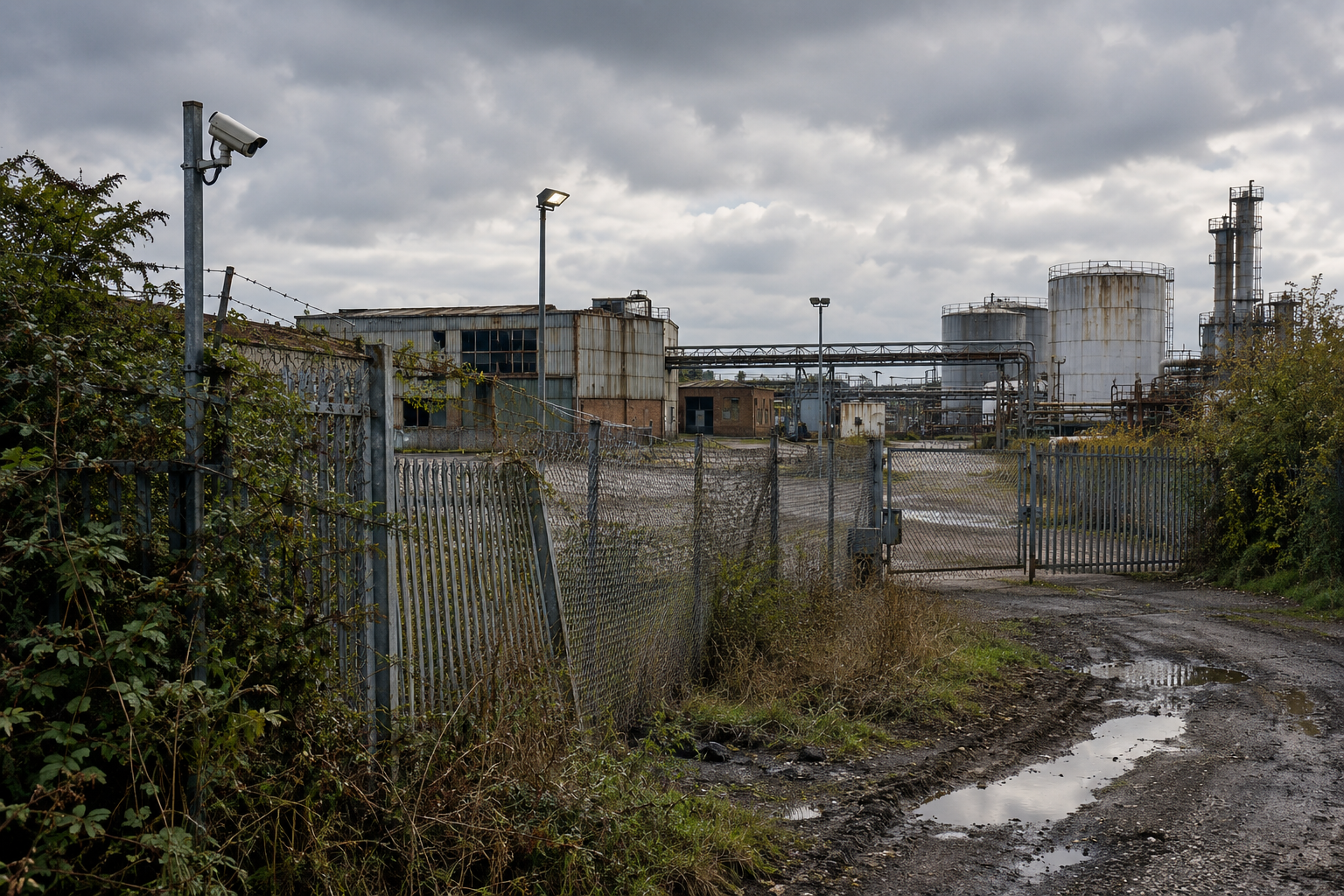
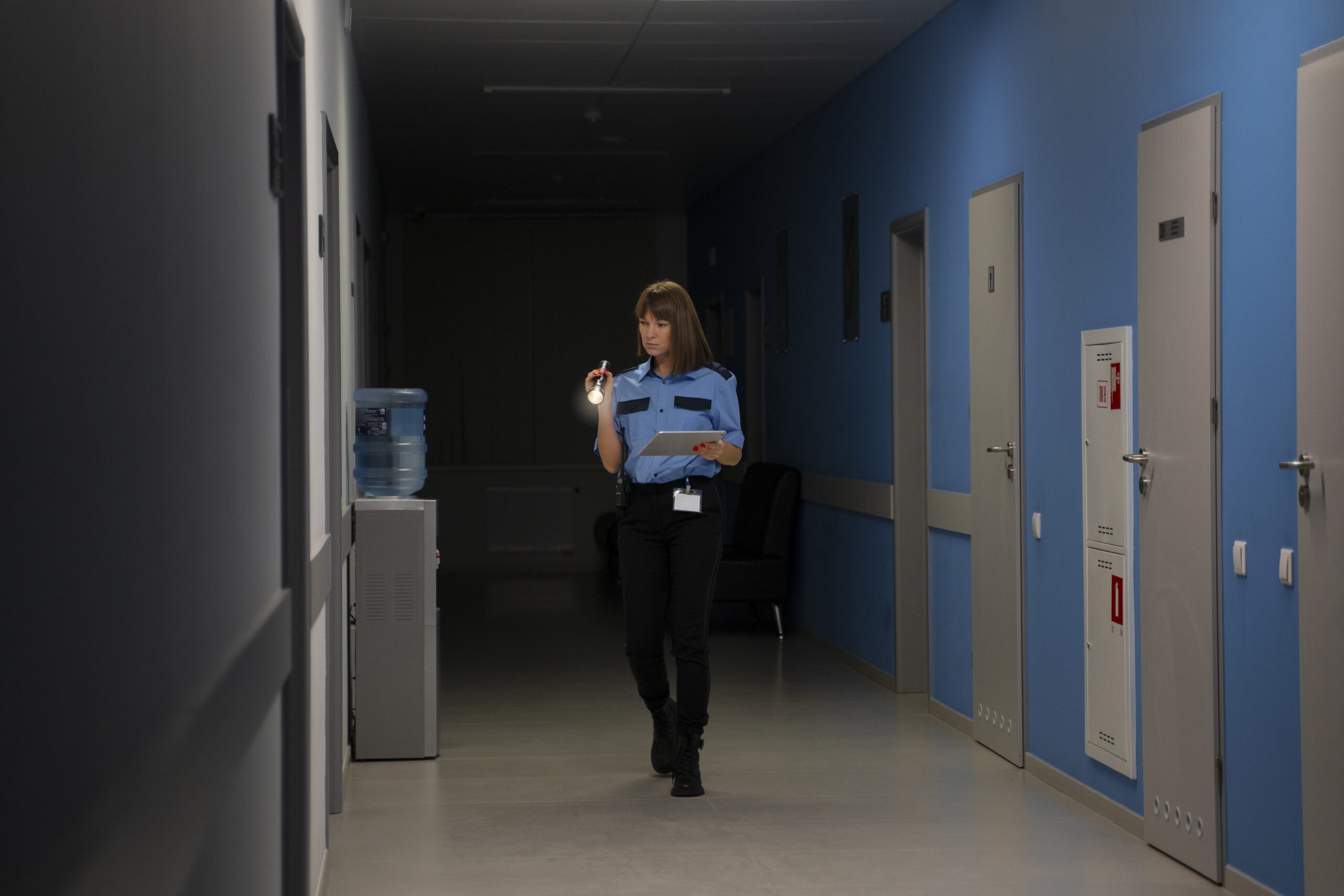
UK prisons are under unprecedented perimeter pressure. Drone-delivered contraband, sophisticated escape planning, and organised criminal networks probing fence lines have transformed the threat landscape beyond what traditional security measures were ever designed to handle.
For prison governors, security managers, and estate directors across His Majesty’s Prison and Probation Service (HMPPS), the message is clear: a fence alone is no longer enough. What modern custodial facilities need is an intelligent, layered Perimeter Intrusion Detection System – PIDS – that detects threats the moment they begin, not after a breach has already occurred.
In this guide, we examine why PIDS security is now essential for UK prisons, the specific threats these systems address, the technologies involved, and how Sysco Tech delivers bespoke perimeter intrusion detection for high-security custodial environments.
The Threat Landscape: Why Prison Perimeter Security Has Never Been More Critical
The Drone Crisis
The scale of the drone threat at UK prisons has reached crisis point. Between April 2024 and March 2025, there were 1,712 recorded drone incidents at prisons across England and Wales – a 43% increase on the previous year and a tenfold rise since 2020.
In January 2025, the Chief Inspector of Prisons called drone activity a national security threat, stating that the prison and police services had effectively “ceded the airspace” above high-security facilities. At HMP Manchester, inmates were reportedly burning holes through windows to receive drone deliveries of drugs, weapons, and mobile phones – with organised gangs conducting dozens of flights in coordinated operations.
As of 2026, a 400-metre flight restriction zone now exists around every closed prison in England and Wales. But legal exclusion zones alone cannot detect or intercept a drone in real time. That requires technology.
Over-the-Wall and Fence Attacks
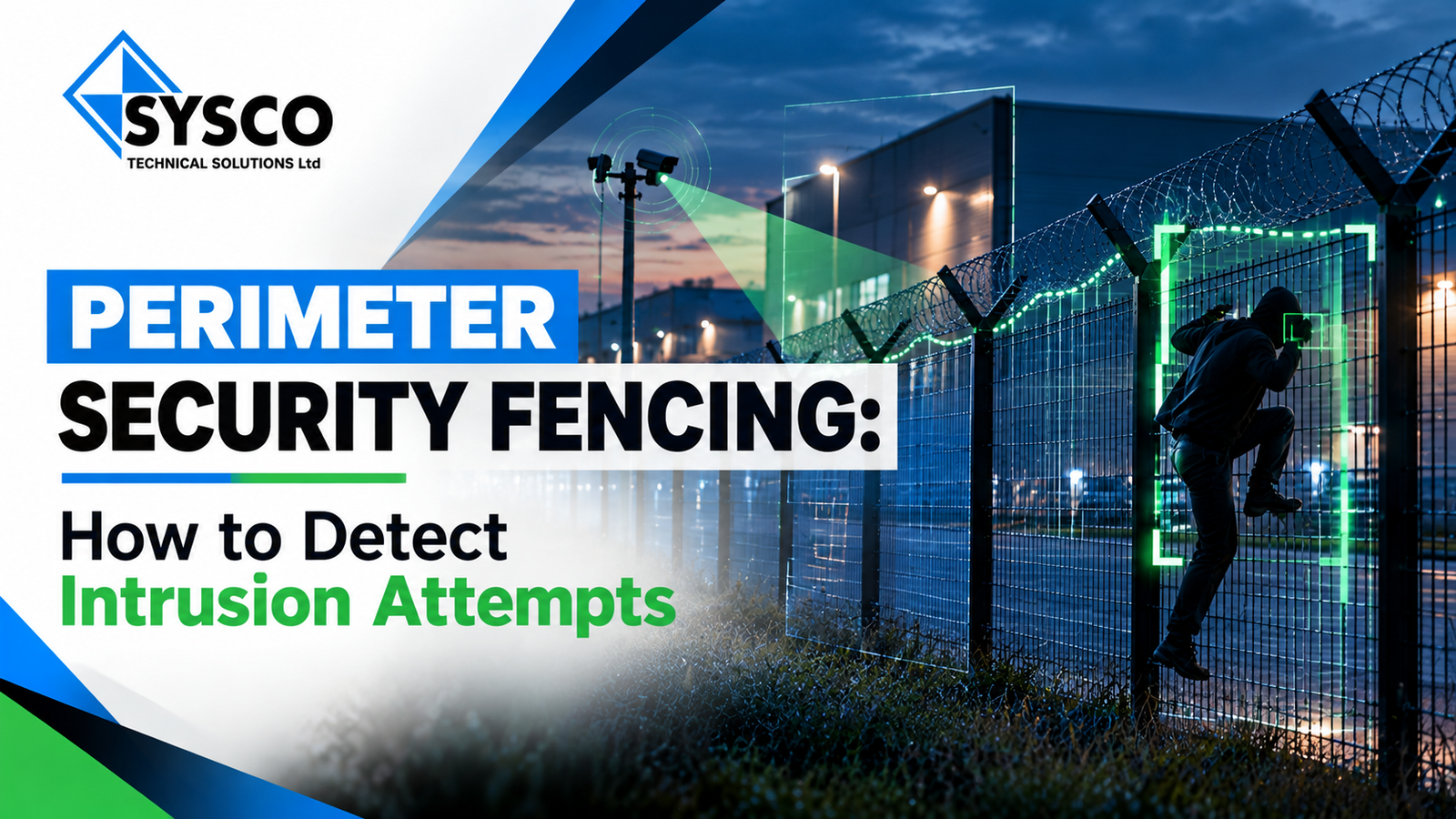
While drones dominate headlines, traditional perimeter attacks remain a persistent threat. Cutting through fence fabric, climbing, and undermining – particularly at night or during adverse weather – continue to be attempted across the prison estate. These attacks often involve reconnaissance over days or weeks before an attempt is made.
Without a perimeter intrusion detection system in place, security staff are entirely reliant on CCTV coverage, lighting, and patrol schedules – all of which have gaps that determined individuals will find and exploit.
Escape Attempts
The UK prison estate houses thousands of individuals assessed as high and very high risk. Any escape from custody carries serious public safety implications. Perimeter breaches – whether outward escape attempts or inward intrusions to assist them – demand the earliest possible warning to allow a controlled, coordinated response before a breach is completed.
What Is PIDS Security and How Does It Work in a Prison Context?
A Perimeter Intrusion Detection System (PIDS) is a technology designed to detect unauthorised activity at the boundary of a secure site – in this case, at the fence line, wall, or sterile zone of a custodial facility.
Unlike passive security measures such as fencing and lighting, PIDS actively monitors the perimeter 24 hours a day, 365 days a year, generating immediate alerts when a defined intrusion event is detected. This gives security staff advance warning – time to verify, respond, and intervene before a threat escalates.
For prisons, PIDS is typically deployed in one or more of the following configurations:
Fence-Mounted Detection
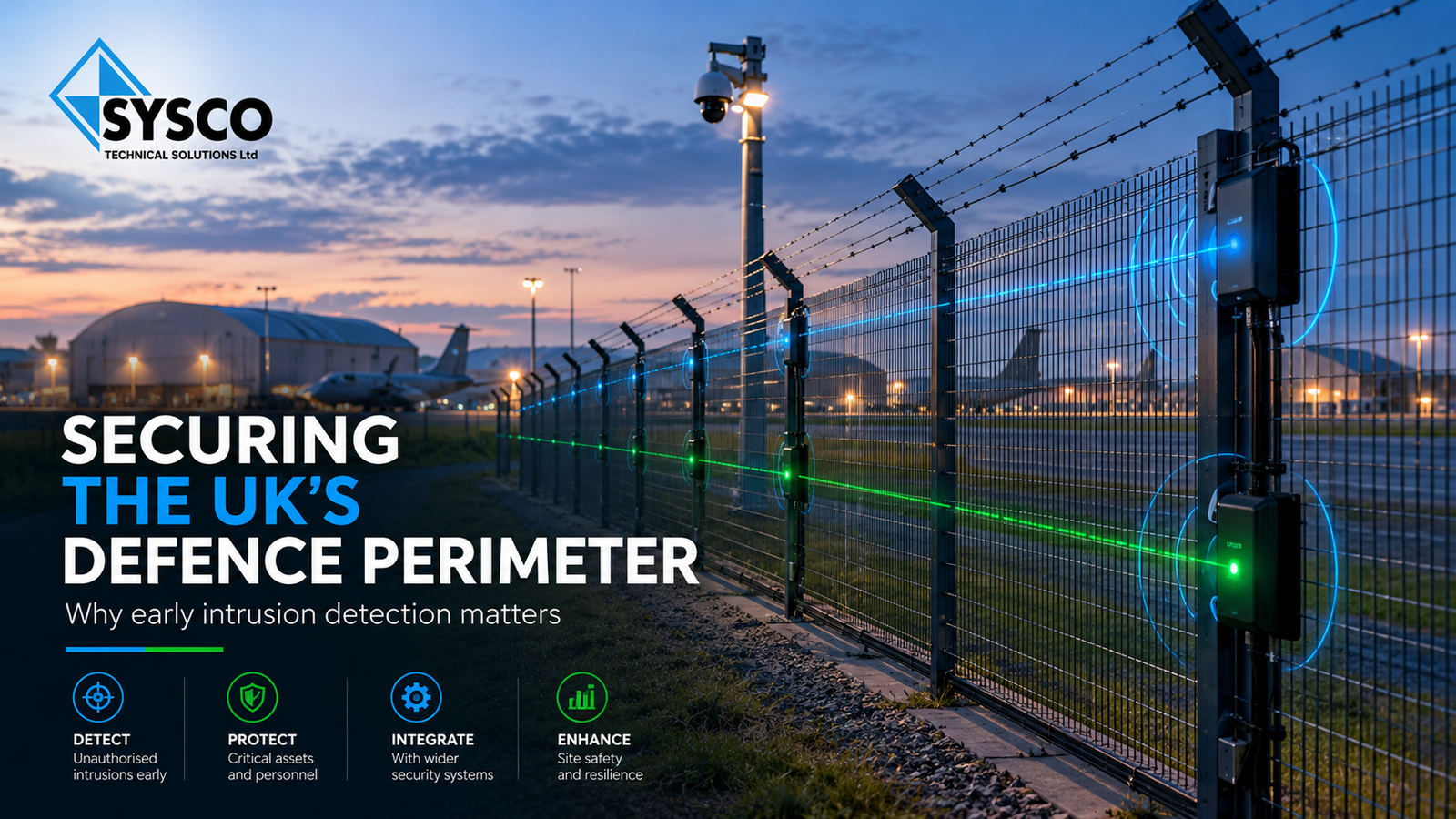
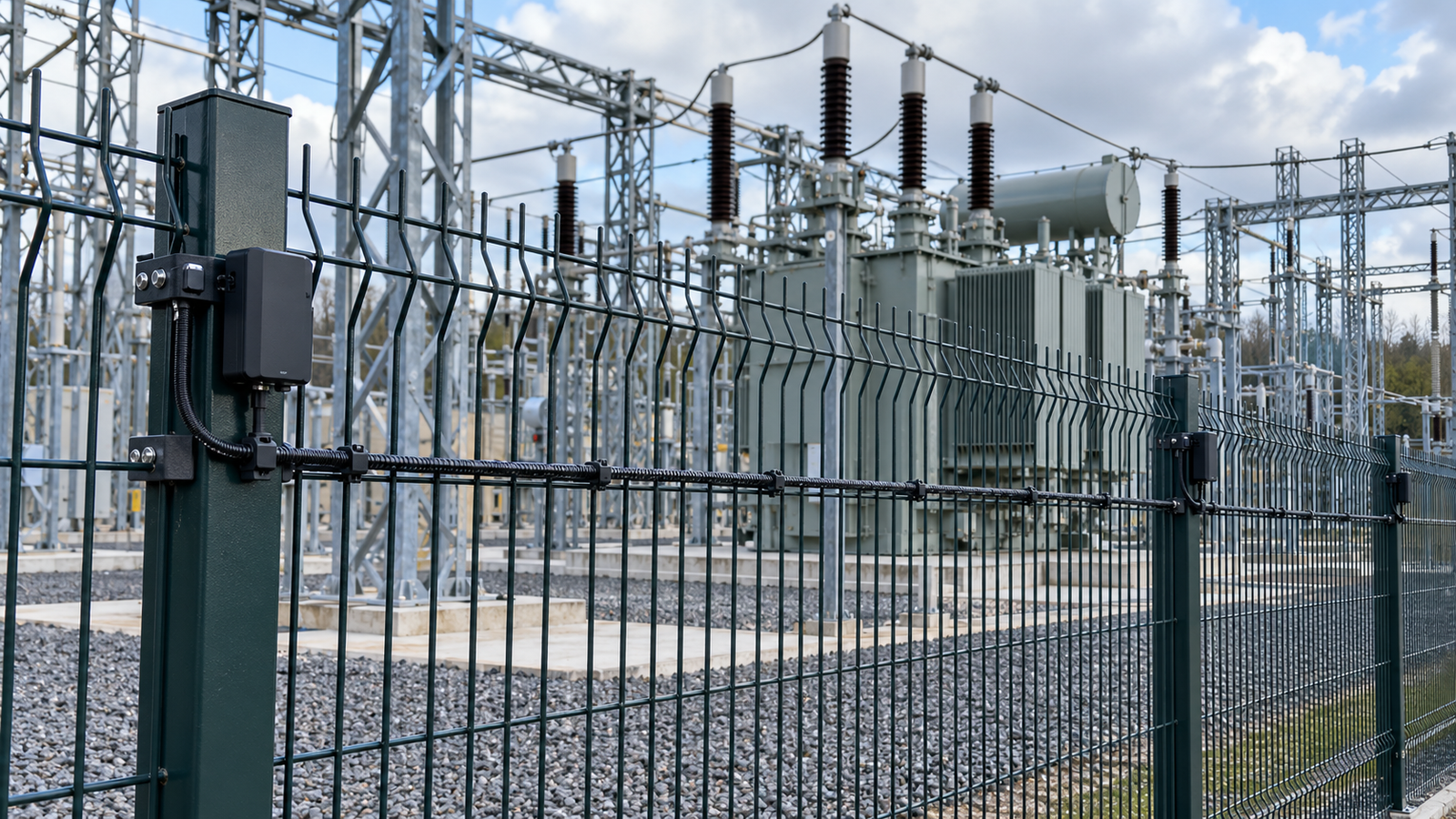
Vibration or fibre-optic sensor cables are attached directly to the fence fabric. When a climber grabs the fence, an attacker attempts to cut through it, or a drone collides with the perimeter, the system detects and localises the disturbance instantly. Modern systems distinguish between genuine threat signals and environmental noise – wind, rain, wildlife – to minimise false alarms that waste valuable officer time.
Buried Ground Sensors
Seismic or pressure-sensitive cables are installed underground around the perimeter. These detect footstep patterns and ground disturbance with precision, making them ideal for monitoring open sterile zones or areas where fence-mounted sensors are not appropriate. Because the cables are concealed, this type of detection provides no visual cue to a would-be intruder that they have been detected.
Radar and Wide-Area Detection
Radar-based PIDS monitors the airspace and ground within a defined zone. For prison sites, radar is increasingly relevant as a layer of drone detection – identifying unmanned aircraft approaching or entering the exclusion zone and cueing PTZ cameras to track and document the incident in real time.
Thermal Imaging Integration
Thermal cameras integrated into the PIDS ecosystem detect human presence in low-light and no-light conditions – the hours during which most fence attacks and drone drops occur. Combined with AI-powered video analytics, these systems can distinguish between human intruders and animals, reducing nuisance alarms while maintaining detection reliability.
Key Benefits of PIDS Security for UK Prisons
Early Warning at the Fence Line
The single most important capability PIDS provides in a custodial setting is time. By detecting a threat at the perimeter – not inside the facility – security officers have a window to respond, lock down movement, and intercept before a breach occurs or contraband changes hands. This is the fundamental principle of perimeter protection: detect early, respond decisively.
Reduced Staffing Burden
With officer-to-prisoner ratios under continuous pressure, prison estates cannot rely solely on manned patrol coverage of perimeter fence lines. A properly deployed PIDS system extends the reach of your security team, providing continuous, automated surveillance of the entire boundary without the fatigue, inconsistency, or coverage gaps associated with human patrol alone.
Accurate Zone Identification
Modern PIDS systems localise alerts to a specific segment of the perimeter – typically within a few metres. Rather than a general alarm, security control rooms receive an actionable notification: which section of the fence, at what time, with what detection signature. This dramatically improves the speed and accuracy of officer deployment.
Integration with CCTV, Access Control and PSIM
PIDS does not operate in isolation. In a prison security architecture, it sits within an integrated ecosystem alongside CCTV, access control, body-worn cameras, and central control room platforms. When a PIDS alert is triggered, integrated PTZ cameras automatically slew to the incident location, capturing footage for verification and evidence. Pre-configured response protocols can simultaneously lock access points and alert designated staff.
This unified approach – sometimes managed through a Physical Security Information Management (PSIM) platform – gives the control room a single, real-time operational picture across the entire facility.
Audit Trail and Evidence Capture
Every PIDS alert is timestamped and logged. In the event of a serious incident, investigation, or disciplinary proceeding, this data provides a verifiable audit trail of what was detected, when, and where. Combined with CCTV integration, it creates a comprehensive evidence record.
NPSA Compliance
The National Protective Security Authority (NPSA) provides guidance on approved PIDS technologies for use on government and critical national infrastructure sites, which includes the prison estate. Sysco Tech specifies and installs systems that have been evaluated against these standards, ensuring your deployment meets the regulatory requirements expected of HMPPS-managed facilities.
Choosing the Right PIDS Technology for Your Prison Site
No two prison sites are identical. Category A high-security establishments have very different perimeter profiles from Category C training prisons or young offender institutions. The right PIDS specification depends on a thorough assessment of:
- Site layout and perimeter length – longer perimeters require systems with robust zone coverage and precise localisation
- Fence and wall type – different detection technologies perform differently across welded mesh, prison mesh, concrete walls, and chain-link
- Environmental conditions – sites near roads, railways, woodland, or coastal areas require systems calibrated to reject specific environmental noise sources
- Existing security infrastructure – PIDS must integrate cleanly with your current CCTV, access control, and control room platforms
- Threat assessment – the specific risk profile of your establishment influences which detection layers are prioritised
Sysco Tech begins every prison project with a no-obligation site survey and security assessment. Our team maps your perimeter, identifies vulnerabilities, and designs a PIDS solution that addresses your specific operational and compliance requirements – without over-specifying for threat levels that don’t apply to your site.
PIDS Technologies Sysco Tech Deploys for High-Security Sites
Sysco Tech specifies and installs market-leading PIDS platforms, including systems from the EcoLine, NeoLine, and RadarPoint product families – all field-proven on high-security government and critical infrastructure sites across the UK.
These systems offer:
- Fence-mounted vibration and acoustic detection with intelligent signal analysis
- Buried seismic detection for sterile zone monitoring
- Radar-based wide-area surveillance for airspace and ground coverage
- Seamless integration with IP-based CCTV, VMS and PSIM platforms
- Zone granularity down to 3 metres for precise incident localisation
- Weatherproof, tamper-resistant hardware rated for continuous outdoor deployment
All installations are carried out by our security-cleared engineering teams, with full commissioning, testing, and handover documentation. Post-installation, we provide 24/7 maintenance and support services to ensure your system remains fully operational.
The Cost of Getting It Wrong
The consequences of a perimeter failure at a custodial site go far beyond the immediate security incident. Escape from custody, large-scale contraband importation, or an organised external intrusion can result in:
- Serious harm to staff, prisoners, and the public
- Lengthy and costly investigations
- Reputational damage to the establishment and HMPPS
- Potential regulatory censure and scrutiny from HMIP
Against these risks, the investment in a properly specified and professionally installed PIDS system is one of the most cost-effective decisions a prison estate can make.
Speak to Sysco Tech About Prison PIDS Security
Sysco Tech specialises in the design, supply, installation, and ongoing support of Perimeter Intrusion Detection Systems for high-security and government sites across the UK. We understand the specific operational environment of custodial facilities – the compliance requirements, the 24/7 operational demands, the need for systems that work without fail in all conditions.
If you are responsible for perimeter security at a prison, young offender institution, secure training centre, or immigration removal centre, we would welcome the opportunity to discuss your requirements.
Call us on 01772 621716 Email: enquiries@syscotech.co.uk Visit: syscotech.co.uk
Request a free, no-obligation site assessment today. Our team will assess your perimeter, identify vulnerabilities, and recommend the most effective PIDS solution for your facility.
Sysco Technical Solutions – Perimeter Security Specialists | Serving Critical Infrastructure, Government, and High-Security Sites Across the UK