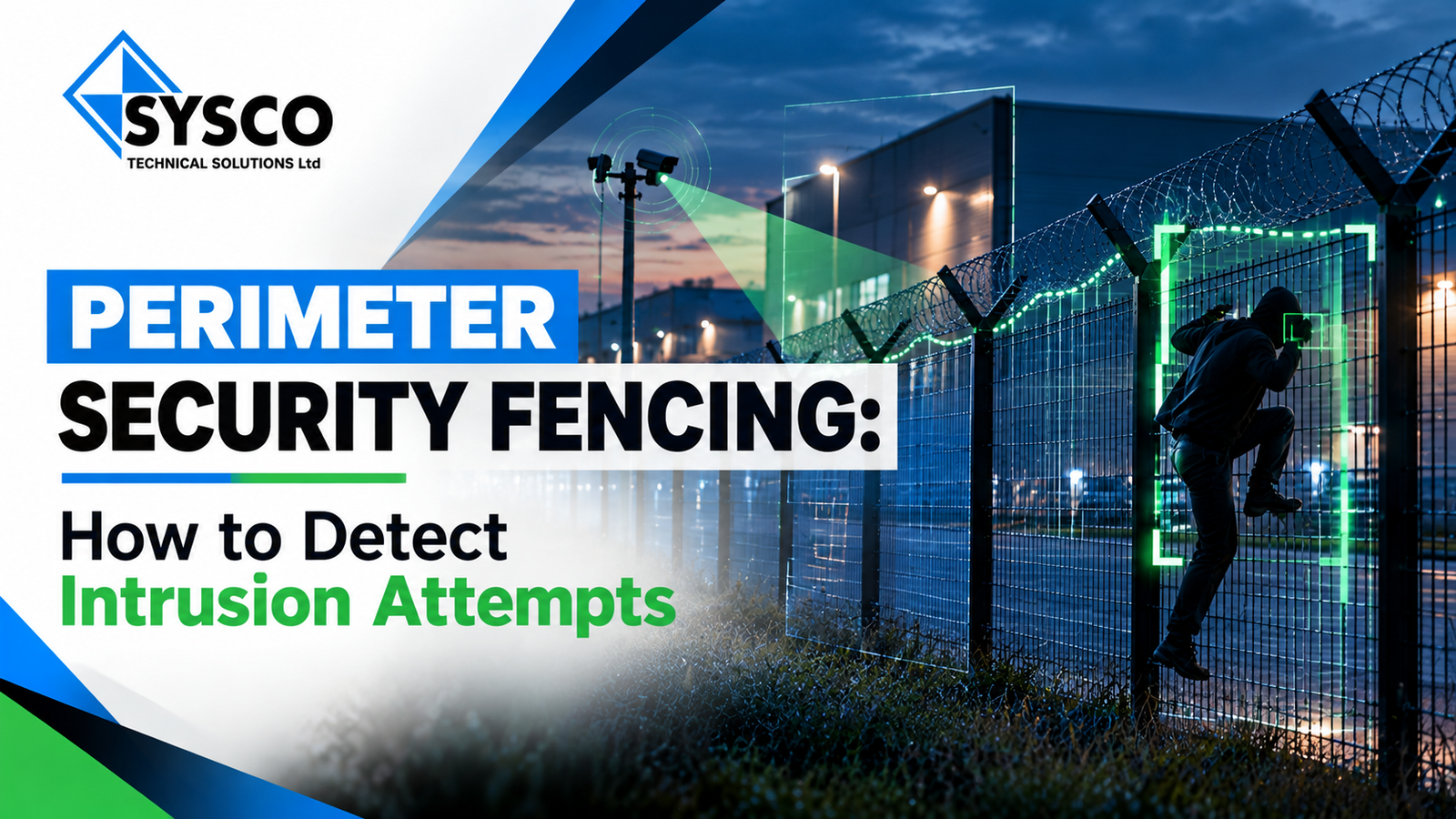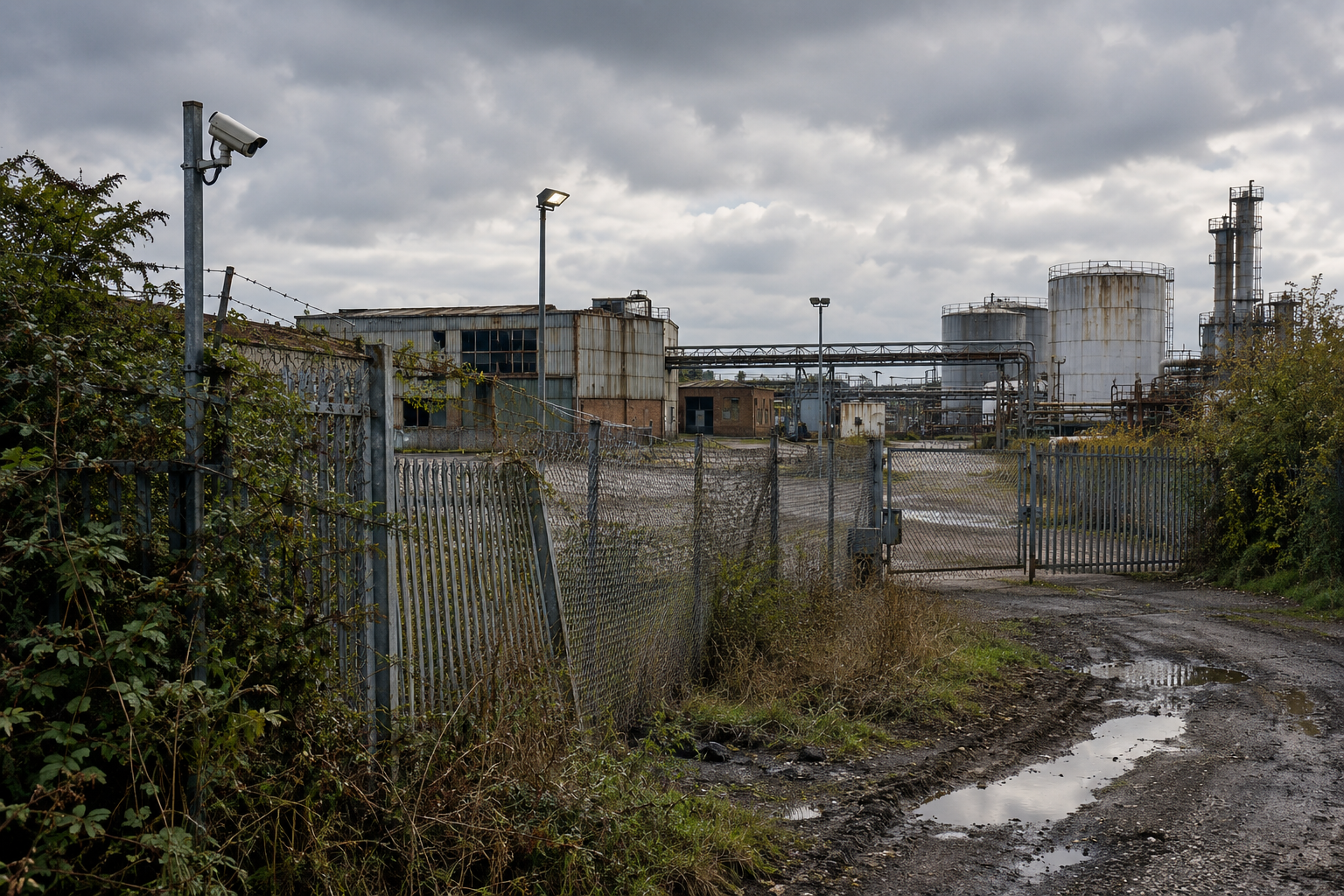
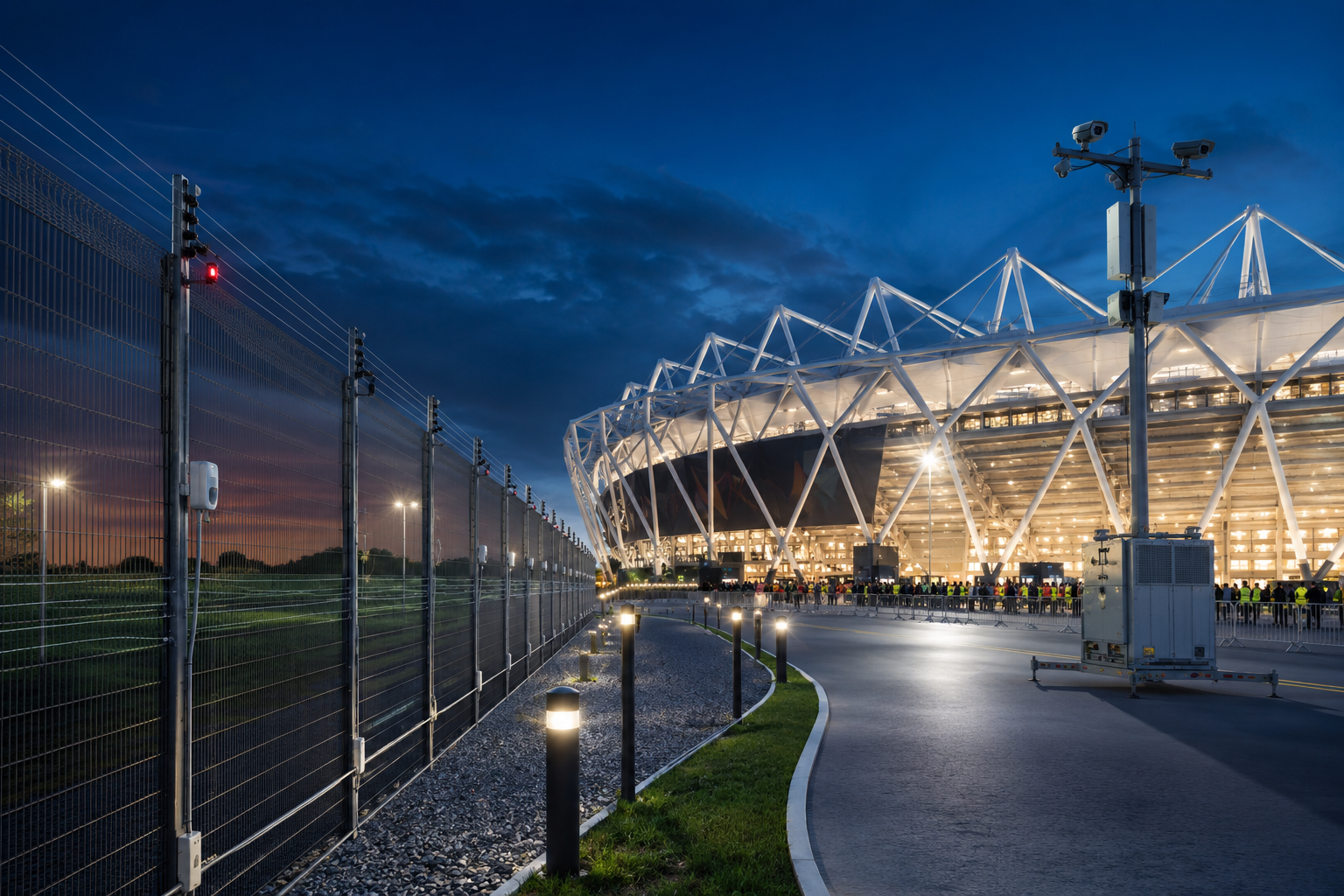
Stadiums and event venues have never been more difficult to secure. A single Premier League matchday can bring in 50,000 to 70,000 people through a handful of entry points, all within a two-hour window. Add concourses, car parks, delivery yards, media compounds and VIP areas, and you have a site that behaves less like a single building and more like a small town that only exists for an afternoon.
The threats venues face have changed too. It’s no longer enough to think about pitch invasions or ticket touts at the gate. Security directors now have to plan for hostile vehicle attacks, drone incursions, coordinated trespass, and gaps in perimeter awareness that only become obvious once something has already gone wrong – often with the same headcount and budget they had five years ago. Add in the fact that many stadiums are being asked to host concerts, conferences and community events year-round, and the perimeter has to work far harder than it used to.
This is why perimeter security solutions have moved from being a compliance checkbox to a genuine strategic priority for venue owners, local authorities and event organisers. Get the perimeter right, and everything inside it – crowd flow, emergency response, insurance costs, reputation – becomes easier to manage. Get it wrong, and no amount of internal stewarding will fully compensate.
Why Stadium & Event Venues Need Modern Perimeter Security Solutions
A stadium perimeter has to do several jobs at once, and they don’t always pull in the same direction.
Crowd sizes create their own risk profile. Large, fast-moving crowds concentrate around a small number of access points at predictable times. That predictability is useful for planning, but it’s also exactly what makes stadiums attractive targets – attackers know where people will be and when.
Public safety obligations sit at the centre of every decision. Following the Manchester Arena Inquiry and the introduction of Martyn’s Law, venues above certain capacity thresholds now carry a legal duty to assess and mitigate terrorism risk, including the risk posed at the perimeter and approach routes, not just inside the building.
Trespassing and unauthorised access are a near-constant issue outside matchdays too – empty stadiums attract everything from opportunistic theft of copper and equipment to more serious break-ins targeting plant rooms and stores.
Vandalism and theft around perimeter fencing, storage compounds and car parks cause disruption that’s often invisible to fans but expensive for operators – repairs, replacement stock, and insurance excess add up quickly.
Vehicle attacks have become a specific planning concern since 2017, particularly along approach roads, drop-off zones and pedestrianised fan zones where crowds gather before kick-off.
Operational disruption is the quiet cost that gets overlooked. A breached perimeter, even a minor one, can trigger evacuation procedures, delay kick-off, or force a costly stand-down of stewarding and emergency services – all of which damage a venue’s reputation with fans, players and broadcasters alike.
The venues that manage these risks well don’t rely on detection alone or cameras alone – they get the two working together, with detection technology doing the job of telling the system where and when to look.
What Makes an Effective Perimeter Security Solution?
The venues that manage risk well rarely rely on one product. They build layered security – a series of overlapping measures so that if one layer is defeated or delayed, another is already working.
A well-designed layered perimeter typically combines:
- Security fencing – the physical boundary, often anti-climb fencing rated to resist cutting, climbing or vehicle impact depending on the threat level
- Perimeter Intrusion Detection Systems (PIDS) – sensors that detect an intrusion attempt before someone reaches the building
- CCTV – providing visual verification once an alert has been raised
- Access control at gates and turnstiles – managing who can enter which zones, and when
- Intrusion alarm systems – alerting control room staff the moment a breach is detected
- 24/7 security monitoring – the human element that turns data from all of the above into a decision and an action
The point of layering isn’t redundancy for its own sake. It’s about buying time and information. A fence slows someone down; a detection system tells you they’re there and exactly where; CCTV confirms what’s happening; and a monitored control room decides how to respond – all before the person has actually got near the pitch, plant room or crowd.
The Role of Perimeter Intrusion Detection Systems (PIDS)
Of all the layers, PIDS is often the one venue operators understand least – and it’s usually the layer doing the most work, because it’s the piece that tells every other system where to focus.
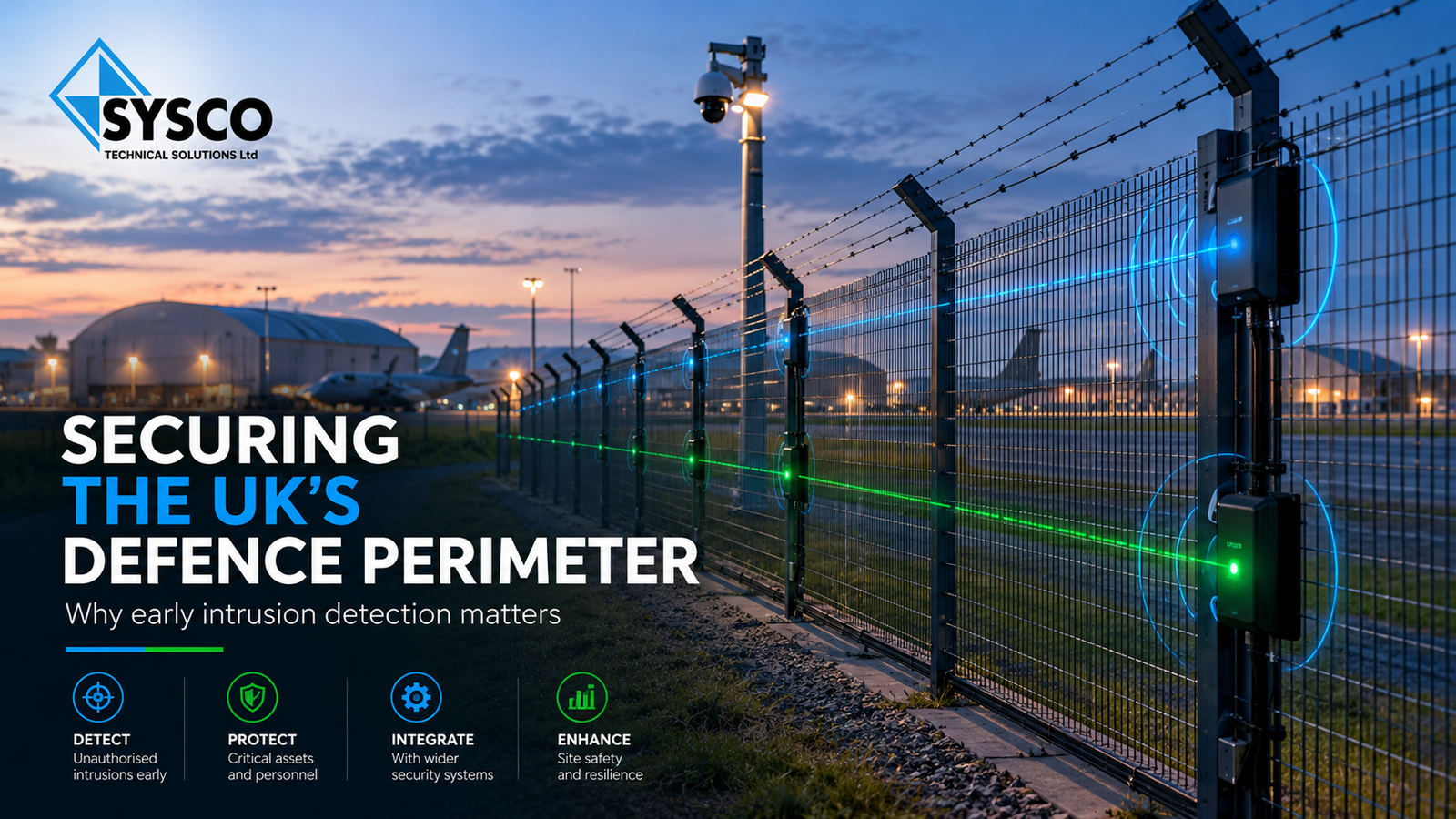
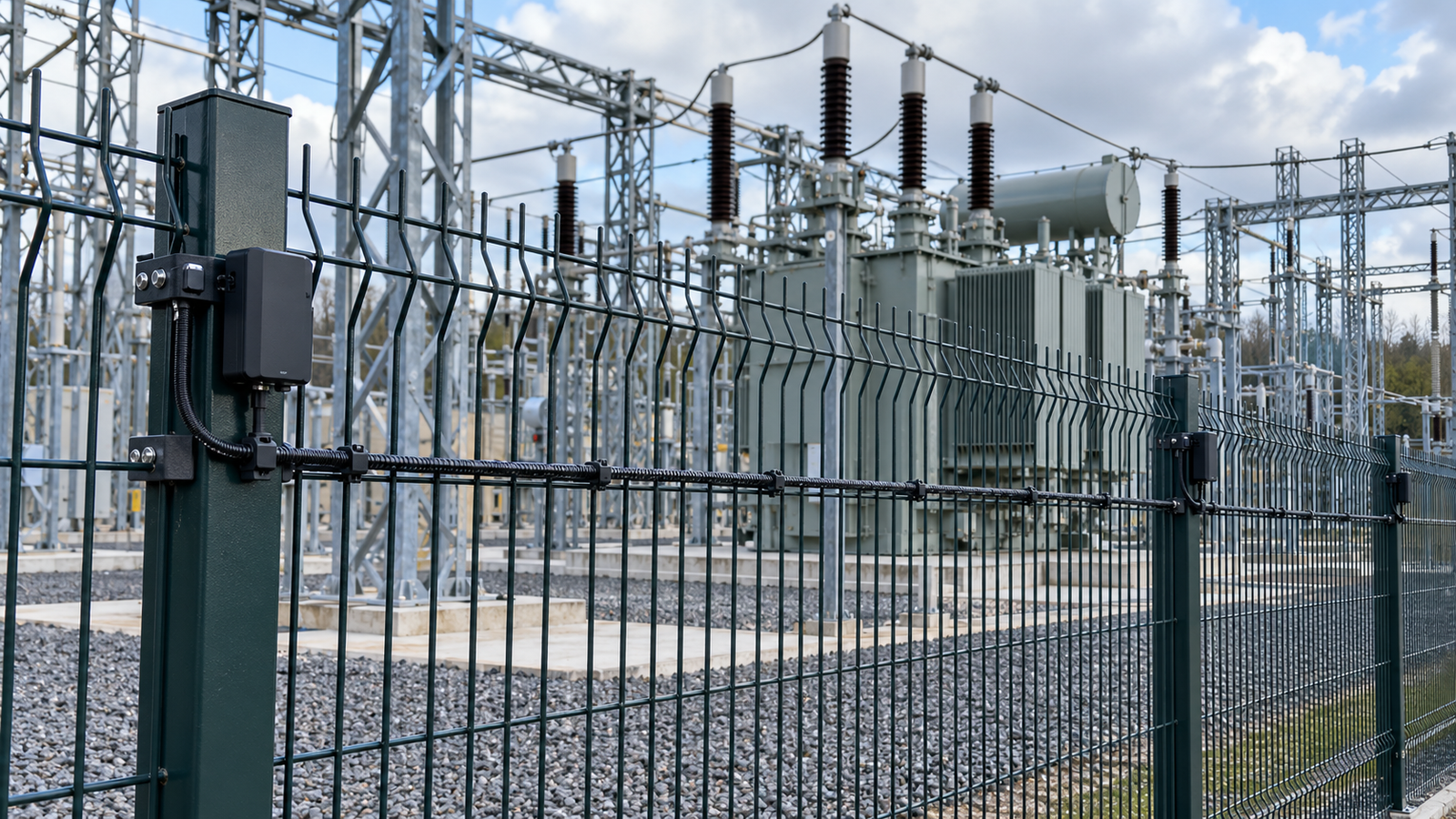
Fence-mounted detection uses sensors along the fence line itself to pick up vibration or movement caused by climbing, cutting, or lifting. Fibre optic and cable-based detection take this further, running a sensing element along or within the fence structure to detect disturbances along its entire length, which is particularly useful for long, straight perimeter runs around larger stadium sites.
Thermal and radar-based detection extend coverage into open areas that a fence line alone doesn’t reach – approach roads, car parks and unlit stretches of perimeter that exist around most large venues. Laser-based detection can create a highly accurate virtual boundary for shorter, high-value zones such as broadcast compounds or plant areas.
The real value of PIDS lies in early detection combined with reduced false alarms. A stadium perimeter runs alongside public footpaths, wildlife, weather and passing traffic – a system that alerts on every gust of wind or fox is worse than useless, because staff learn to ignore it. Well-configured, well-maintained PIDS filters out that noise and flags genuine attempts to breach the line, giving security teams minutes rather than seconds to respond.
Integrated Security: Why One System Isn’t Enough
Even the best detection system underperforms if it works in isolation. A PIDS alert that isn’t automatically linked to the nearest camera means an operator has to manually search for the right feed while the intrusion is still happening – losing valuable seconds.
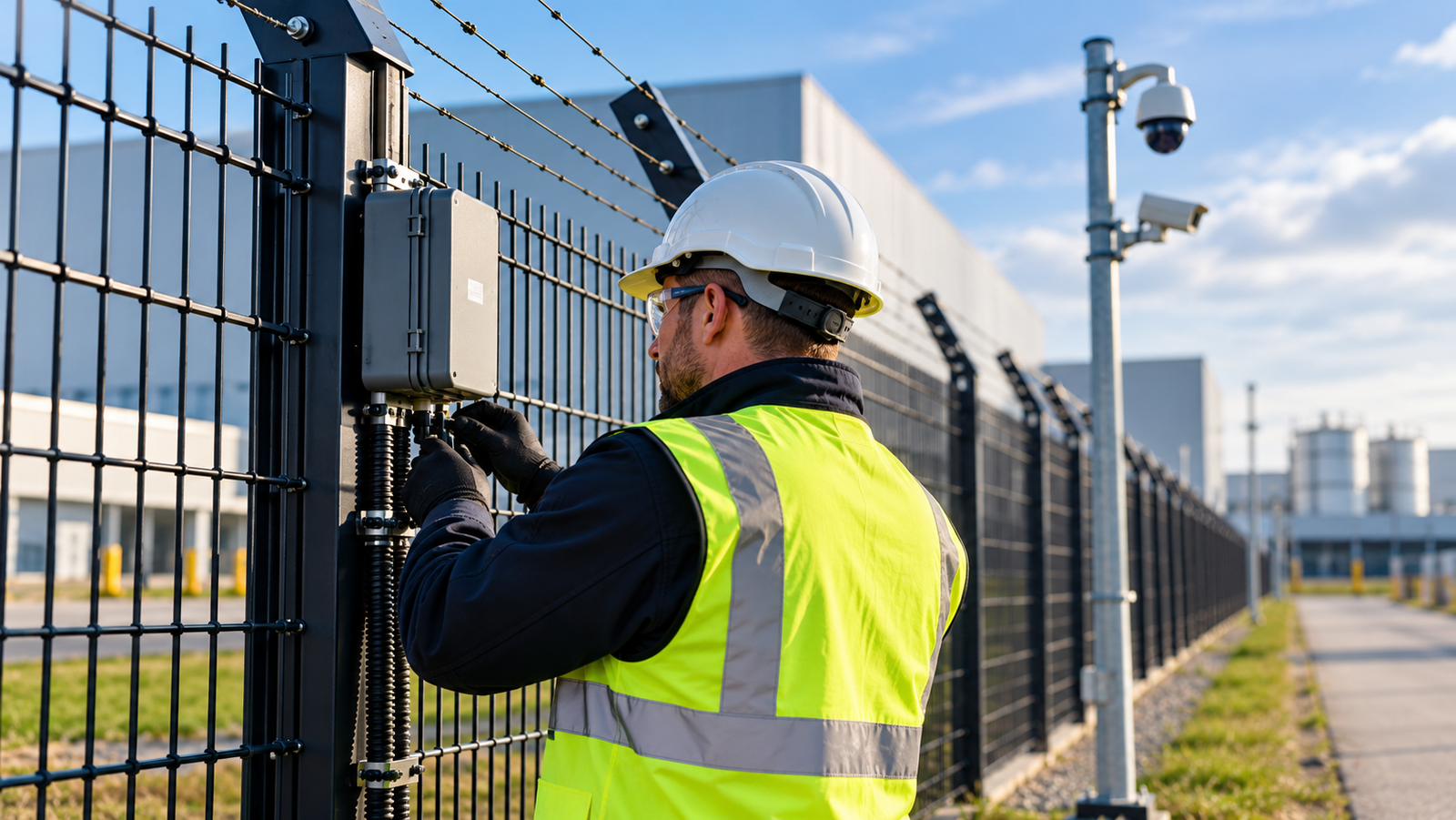
This is where Sysco Tech’s role is specific and deliberate. Sysco Tech designs, installs and maintains Perimeter Intrusion Detection Systems – that’s the core discipline. Sysco Tech doesn’t supply CCTV, access control or gates as products in their own right. What Sysco Tech does do is integrate its PIDS with the CCTV, access control and monitoring infrastructure a venue already has, so that a detection event on the fence line automatically calls up the relevant camera feed, logs the time and location, and presents the control room with a clear decision rather than a wall of disconnected alerts.
In practice, this means a stadium doesn’t need to rip out its existing camera network or access control platform to benefit from a proper PIDS installation. The detection layer is built to sit alongside what’s already there, strengthening it rather than replacing it. For venues running lean control room teams, that integration is what makes genuine 24/7 monitoring achievable with the staff available – the PIDS does the watching along the fence line, and the existing camera and control room infrastructure does the verifying and responding.
The strongest setups also tie into wider venue operations – linking detection alerts to stewarding communications and emergency evacuation procedures – so a perimeter event triggers the right response across the whole organisation, not just within the security team.
Choosing the Right Perimeter Security Partner
Every stadium and event venue has a different risk profile, shaped by its location, capacity, event calendar and existing infrastructure. That’s why the process matters as much as the product.
A credible PIDS provider should start with a proper site survey – walking the full perimeter, identifying weak points, blind spots, unlit areas and access routes that don’t get the attention they deserve. This should feed into a genuine risk assessment, one that reflects the venue’s actual threat profile rather than a generic template, taking into account matchday crowds, non-event days, and any Martyn’s Law obligations that apply.
From there, bespoke design matters more than off-the-shelf packages. A rural non-league ground and a Premier League stadium in a dense urban setting need very different combinations of fencing and detection technology – even though both fall under the same broad heading of “stadium security.” Sysco Tech’s system range spans fence-mounted, vibration-based and virtual-boundary detection technologies, so the specification can be matched to the site rather than the site being made to fit a standard product.
Two further factors are easy to overlook but shape long-term value:
- Scalability – can the detection system expand if the venue adds capacity, hosts concerts, or takes on additional land?
- Maintenance and future expansion – a PIDS is only as good as its upkeep. Sensors drift out of calibration and cabling takes weather damage over time, so ongoing support matters as much as the initial install.
Sysco Tech works across critical national infrastructure and high-security sites as well as sports and event venues, which means the same NPSA-aligned rigour applied to protecting national assets is brought to bear on stadium perimeter design – from initial survey through to installation, commissioning and ongoing 24/7 support.
Conclusion
Stadium and event security has moved well beyond stewards and a fence line. Modern venues need a properly specified Perimeter Intrusion Detection System that works with – not against – the CCTV, access control and monitoring they already have, so that a breach attempt is detected early, verified quickly, and acted on before it becomes an incident.
The venues that get this right treat perimeter detection as a strategic layer designed around their specific risk profile, not bolted on after the fact. The venues that get it wrong tend to find out during an incident, when it’s far more expensive to fix.
Every stadium has different vulnerabilities, different crowd patterns and different obligations under Martyn’s Law – which means no two PIDS specifications should look the same.
If you’re responsible for protecting a stadium, arena or event venue, now is the time to review whether your current perimeter can genuinely detect a real intrusion attempt early enough to act on it – not just deter a casual one.
Speak to Sysco Tech’s specialists today to book a free site survey, request a tailored PIDS specification, and find out how a properly integrated detection system would work with your venue’s existing CCTV and access control.
Frequently Asked Questions
What are perimeter security solutions?
Perimeter security solutions are the combination of physical barriers, detection technology and monitoring used to protect the boundary of a site – typically fencing, a Perimeter Intrusion Detection System, CCTV and access control working together.
How do stadiums prevent unauthorised access?
Stadiums typically combine anti-climb fencing, a perimeter intrusion detection system along vulnerable sections, and controlled access points such as turnstiles or gates, all monitored from a central control room.
What is a Perimeter Intrusion Detection System (PIDS)?
A PIDS is a network of sensors – fence-mounted, fibre optic, vibration-based or laser-based – designed to detect attempts to breach a perimeter before an intruder reaches the building itself.
How much does perimeter security cost?
Costs vary significantly depending on perimeter length, threat level, existing infrastructure and the detection technology chosen. A proper site survey and risk assessment are the only reliable way to get an accurate figure for a specific venue.
What security systems are used in football stadiums?
Most large football stadiums use a layered combination of anti-climb fencing, CCTV, access control at turnstiles, and a perimeter intrusion detection system along vulnerable perimeter sections, monitored 24/7 from a control room.
Can CCTV prevent perimeter breaches?
CCTV alone doesn’t prevent a breach – it provides verification and evidence. It becomes genuinely effective when integrated with a detection system that triggers the relevant camera view and alerts monitoring staff the moment an intrusion attempt begins.
How often should perimeter security systems be maintained?
Fencing, sensors and cabling should be inspected and serviced on a scheduled basis, typically at least quarterly, with additional checks after severe weather or any attempted breach, to keep detection accuracy reliable and reduce false alarms.
What is layered security?
Layered security means combining multiple overlapping measures – fencing, detection, surveillance, access control and monitoring – so that no single point of failure compromises the whole perimeter.
What industries use PIDS?
PIDS is widely used across critical national infrastructure, utilities, data centres, ports and increasingly stadiums and large event venues where crowd safety and asset protection both matter.
How do I choose a perimeter security company?
Look for a provider like us at Sysco Tech that carries out a genuine site survey and risk assessment, offers bespoke rather than off-the-shelf detection design, has experience with venues of a similar scale, and can integrate its system with the CCTV and access control you already have – plus ongoing maintenance and support after installation.