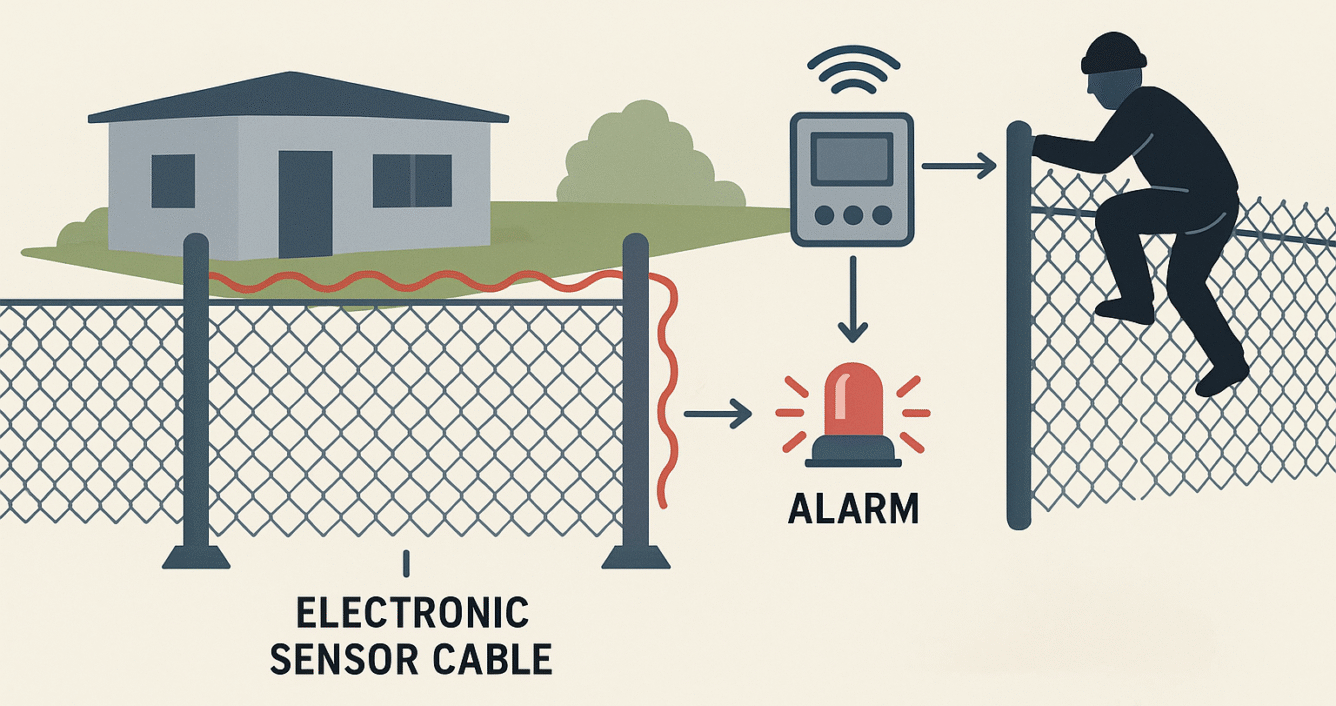
The Perimeter Intrusion Detection Systems Examined
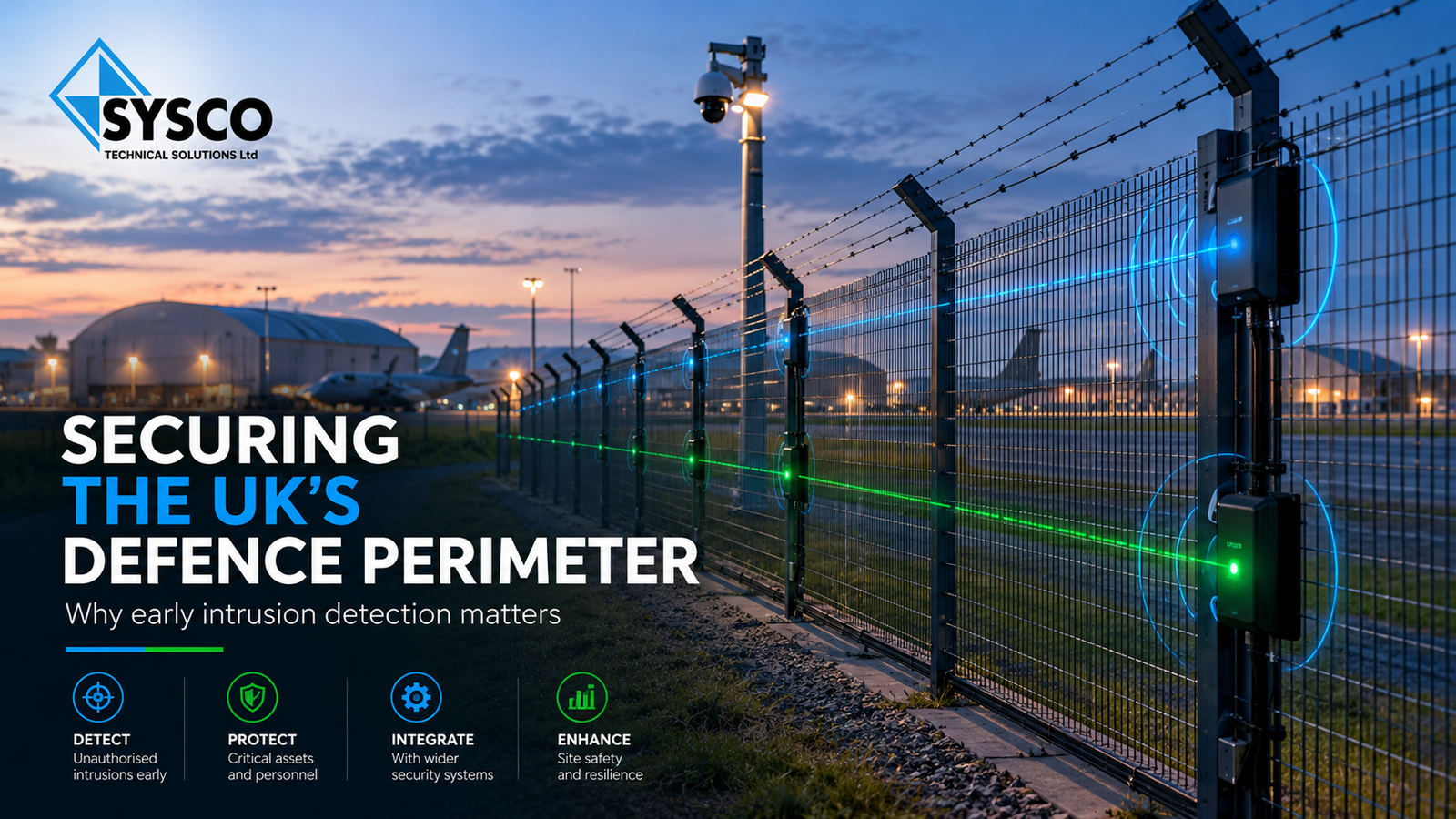
Modern site security goes well beyond locking doors and windows. A Perimeter Intrusion Detection System (PIDS) protects the outer boundary of a facility, giving security teams the earliest possible warning of an unauthorised entry attempt – before an intruder reaches buildings, assets, or people. These systems are a core part of protective security across UK industrial, government, and critical infrastructure sites.
What is the Perimeter Intrusion Detection System (PIDS)?
A PIDS tracks the outer boundary of a site to detect physical intrusion or breach attempts as early as possible. The goal is simple: give the security team time to respond before an intruder reaches a vital area.
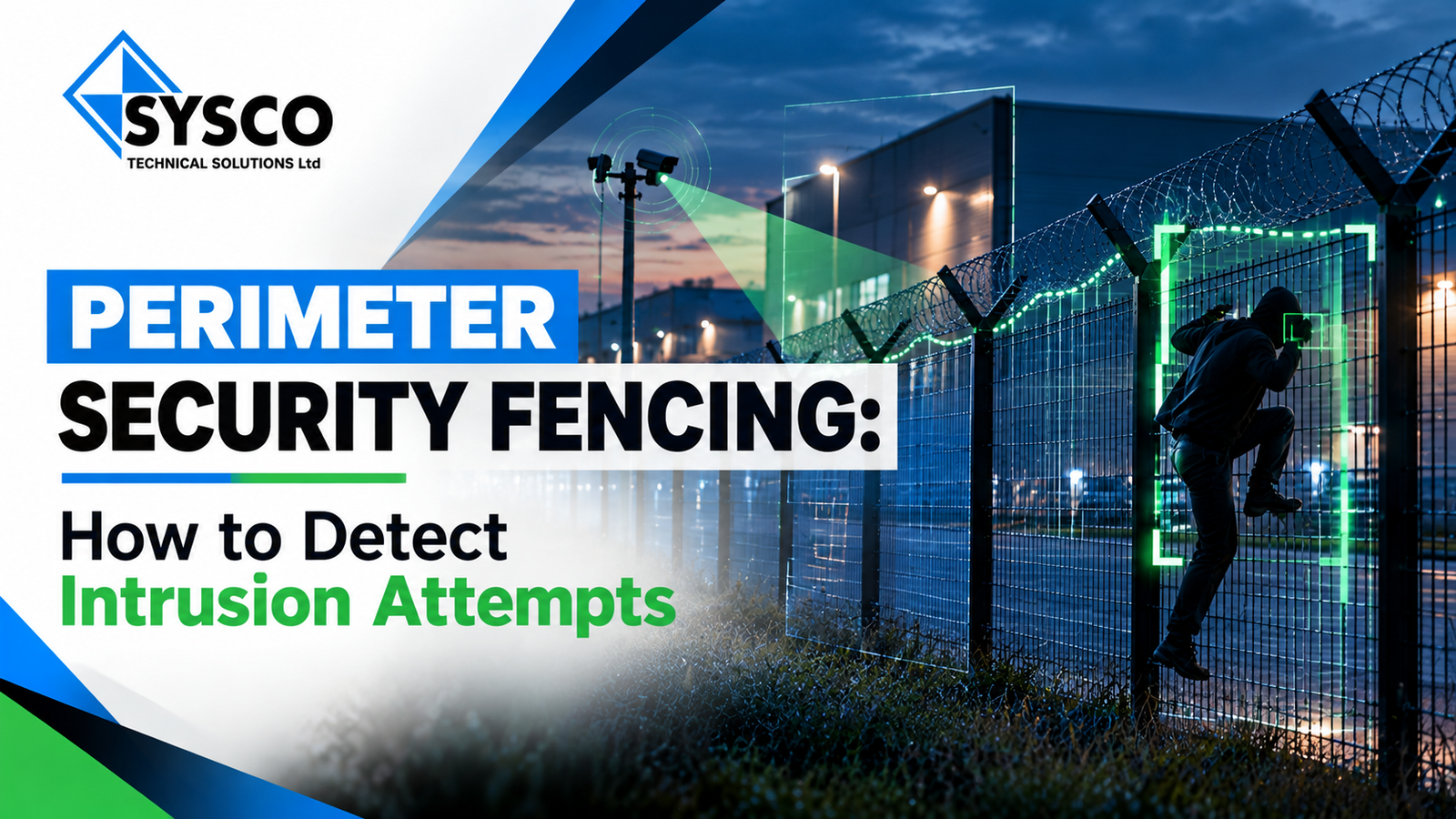
In the UK, PIDS technology is widely used across industrial and government premises to reduce the risk of theft, vandalism, and – for critical national infrastructure – more serious threats. By detecting climbing, cutting, or digging attempts at the boundary itself, PIDS adds a layer of protection well before an intruder gets close to the building.
How Does a Perimeter Intrusion Detection System Work?
PIDS relies on sensor technology deployed along a site’s perimeter. The main detection methods include:
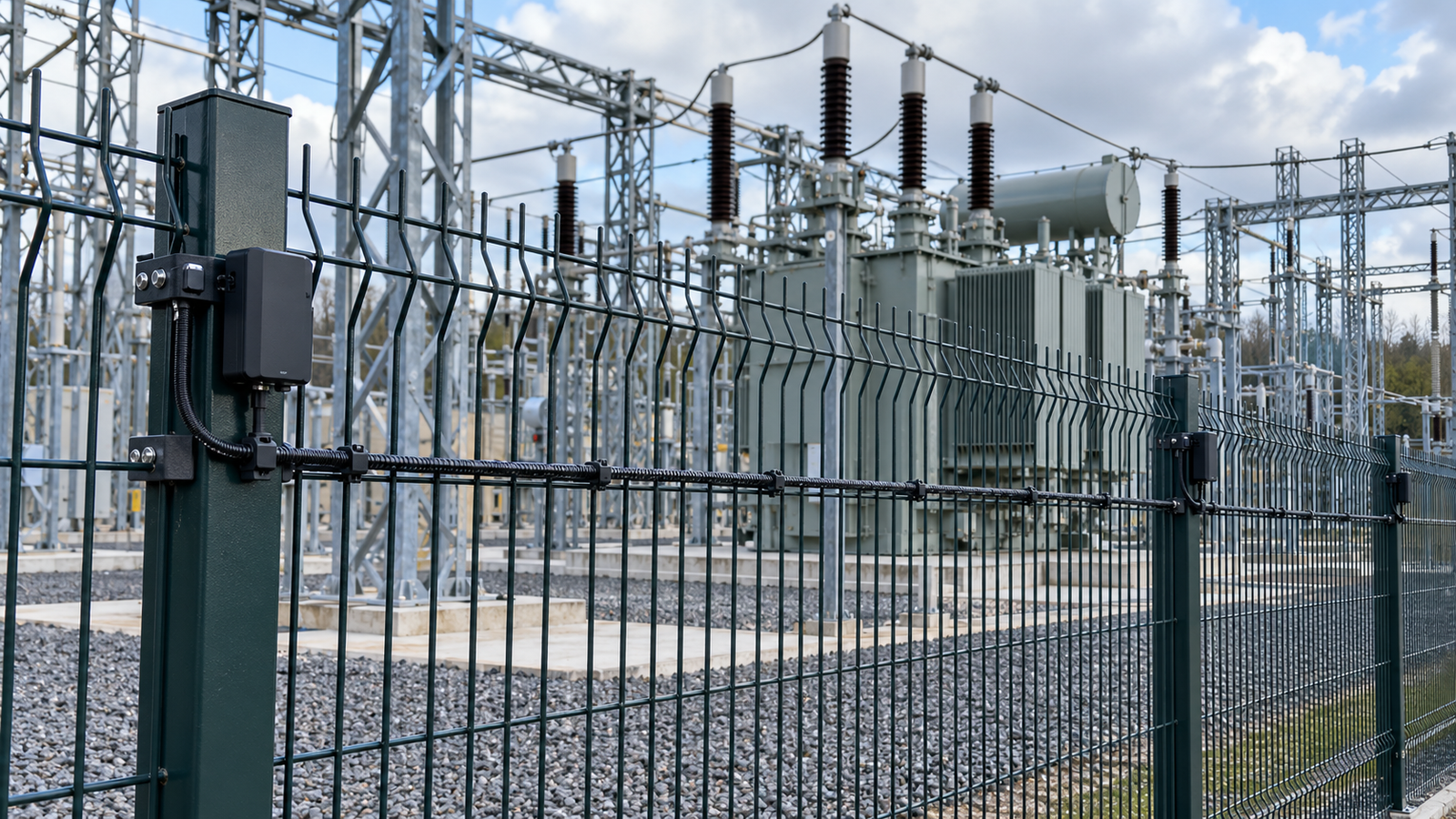
Fence-mounted sensors
Sensors mounted directly on the boundary fence detect vibration, flexing, or cutting activity, sending an immediate alert when suspicious movement is identified.
Buried sensors
Installed underground along the perimeter, these detect movement caused by tunnelling, digging, or other below-ground activity – adding another layer of protection beyond the fence line.
Infrared and thermal cameras
These detect heat signatures, making it possible to spot intruders even in low-light or night-time conditions, and are well suited to monitoring large areas with minimal manual oversight.
Microwave sensors and radar
Using radio waves or microwaves, these sensors cover larger areas and can detect movement of people or objects over greater distances than fence-mounted alternatives.
Laser-based detection
Laser or infrared beams create a virtual barrier along the perimeter – any break in the beam triggers an immediate alarm.
Video analytics
Live CCTV feeds are analysed by software that flags unusual activity in real time, such as climbing a fence or entering a restricted area.
Advantages of Perimeter Intrusion Detection Systems
Early warning – Security teams get advance notice of a potential threat, reducing the risk of damage, theft, or worse.
Deterrence – A visible, well-installed system discourages intruders before they attempt entry.
Cost-effective coverage – Running 24/7, PIDS is typically more economical than round-the-clock manned patrols, especially across large or remote sites.
Integration – PIDS works alongside CCTV and access control for a unified, real-time response to threats.
Where Is PIDS Used?
PIDS is used across a wide range of UK sectors:
- Critical national infrastructure – energy, water, and telecoms sites where a breach carries national-level consequences
- Industrial facilities – manufacturing plants, warehouses, and distribution centres, protecting against theft and sabotage
- Commercial properties – office buildings, data centres, and retail sites
- Residential and estates – high-value properties requiring discreet, reliable perimeter protection
At Sysco Tech, we design and install PIDS tailored to each site’s risk profile – see our full range of perimeter intrusion detection solutions to find out which technology suits your site.
Frequently Asked Questions
How much does a perimeter intrusion detection system cost?
Costs vary depending on site size, terrain, and technology type. A site survey is the only way to get an accurate quote.
What’s the difference between PIDS and a perimeter alarm system?
A perimeter alarm system is often a simpler point-based sensor setup, while PIDS refers more broadly to any technology detecting intrusion along a boundary – including fence-mounted, buried, radar, and video-based detection, often integrated together.
Can PIDS reduce false alarms?
Yes – modern systems use signal processing and multi-sensor verification to distinguish genuine intrusion attempts from environmental noise like wind, rain, or wildlife.
Does PIDS need planning permission in the UK?
Not usually for the detection technology itself, but any accompanying fencing over 2.5m may require permission – check with your local authority, especially for listed buildings or protected sites.
Can PIDS integrate with existing CCTV and access control?
Yes – most modern PIDS are designed to integrate with CCTV, access control, and centralised alarm monitoring platforms for a single, unified security response.
Final Words
Perimeter Intrusion Detection Systems play a crucial role in a complete site security strategy, giving early warning of threats using technologies like infrared cameras, radar, fence sensors, and video analytics. Investing in the right PIDS doesn’t just improve security 0 it gives ongoing peace of mind that your site is protected around the clock.
Ready to strengthen your site’s perimeter? Get in touch with Sysco Tech for a free site survey and consultation.