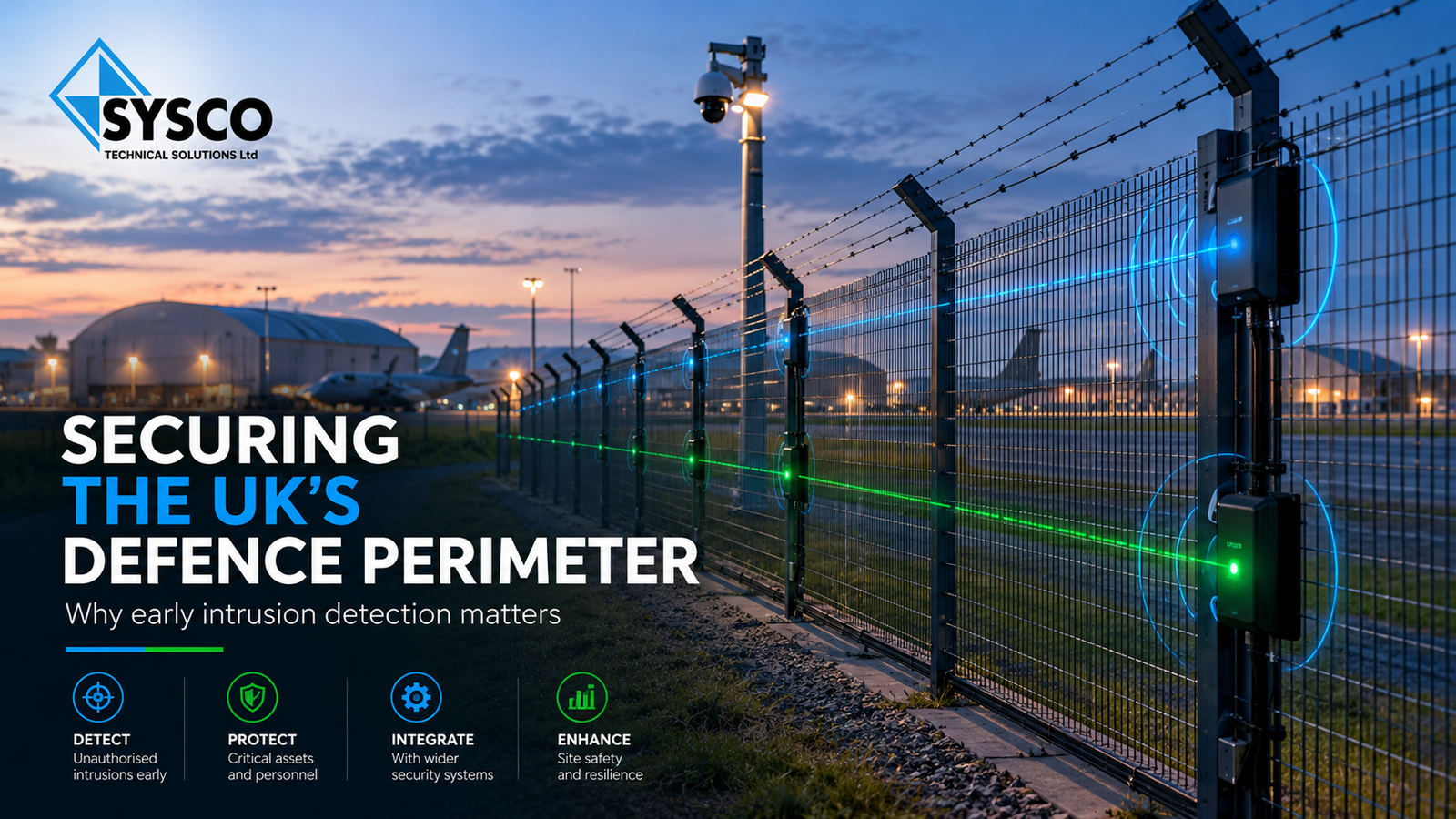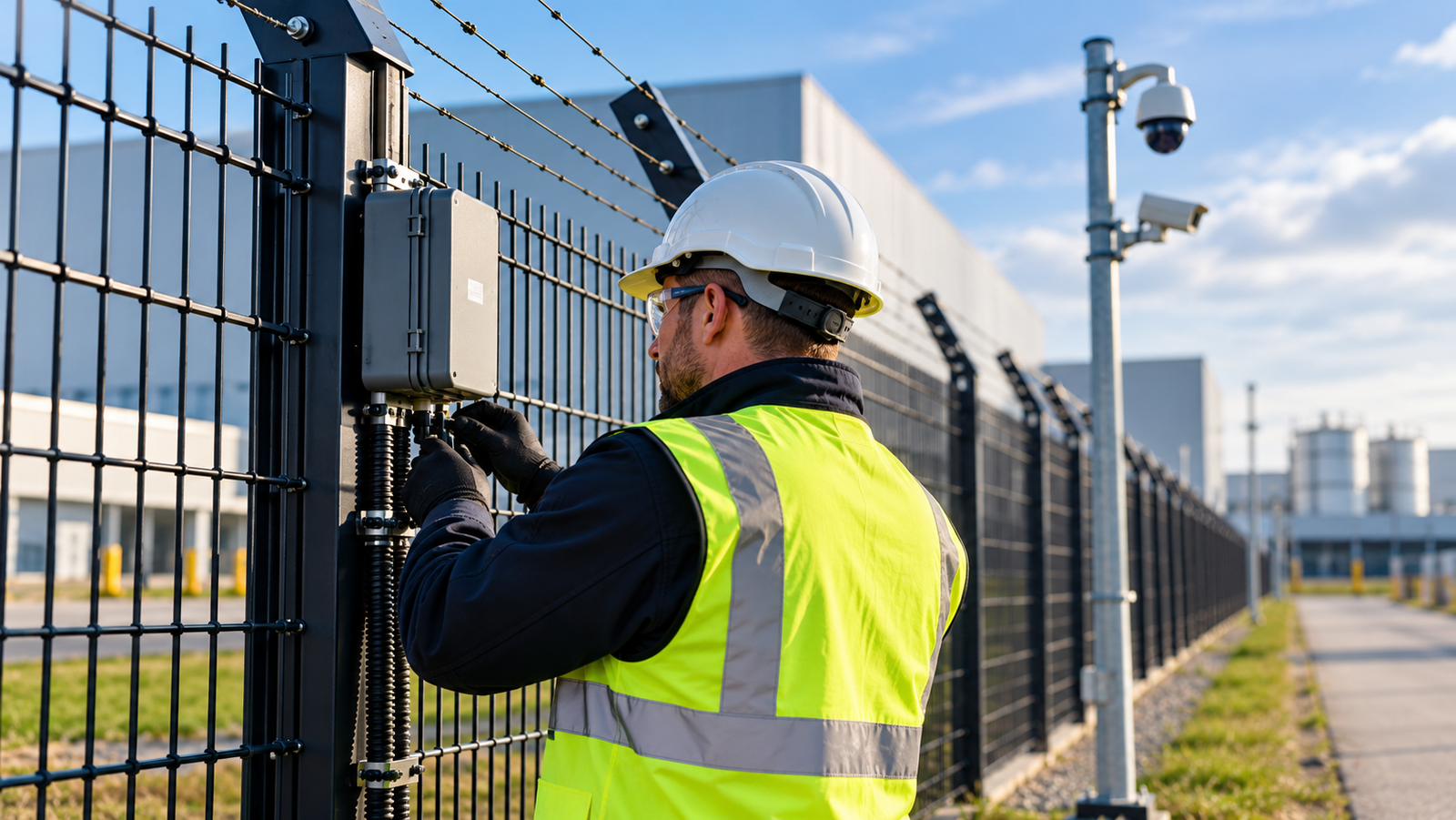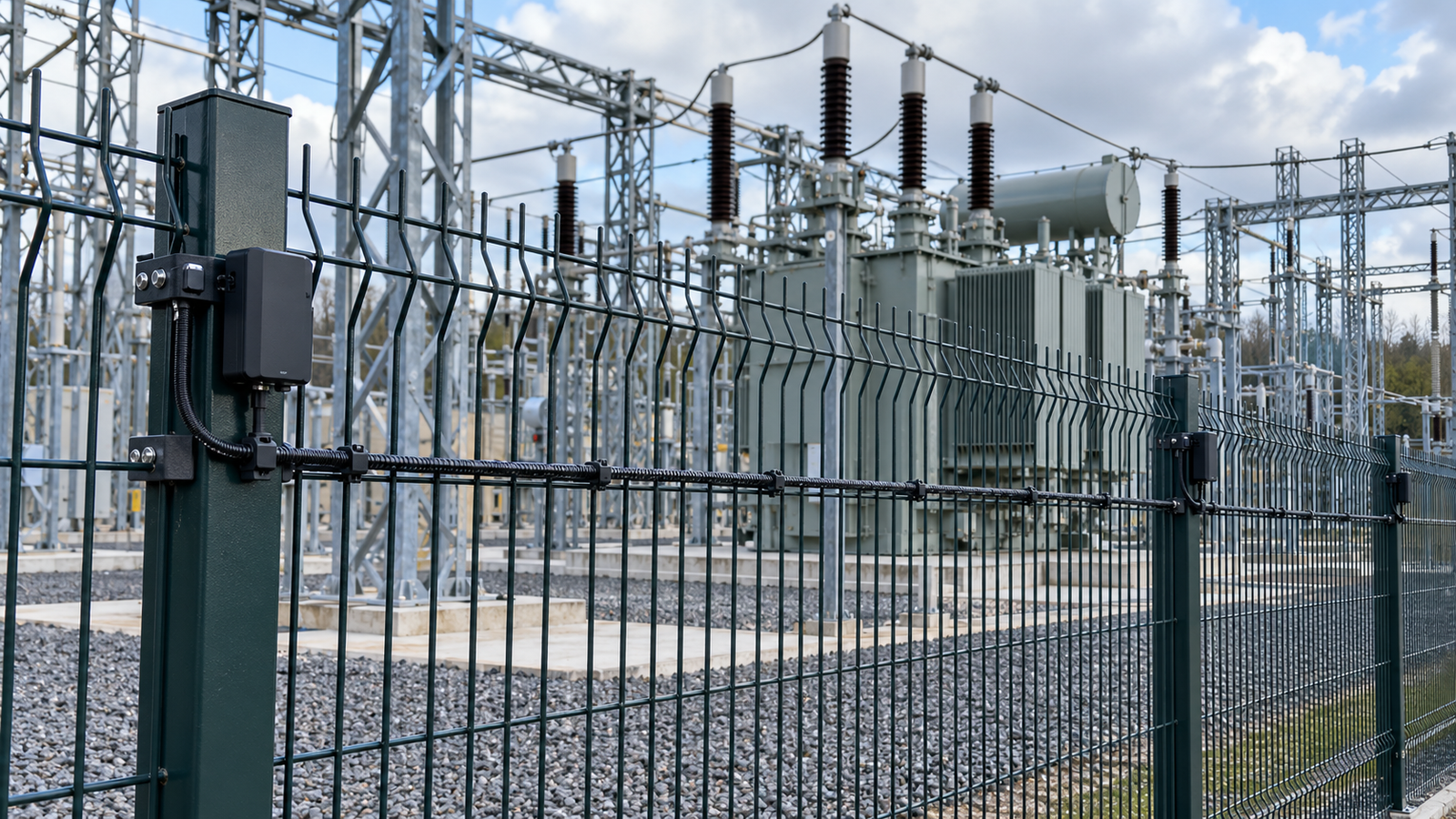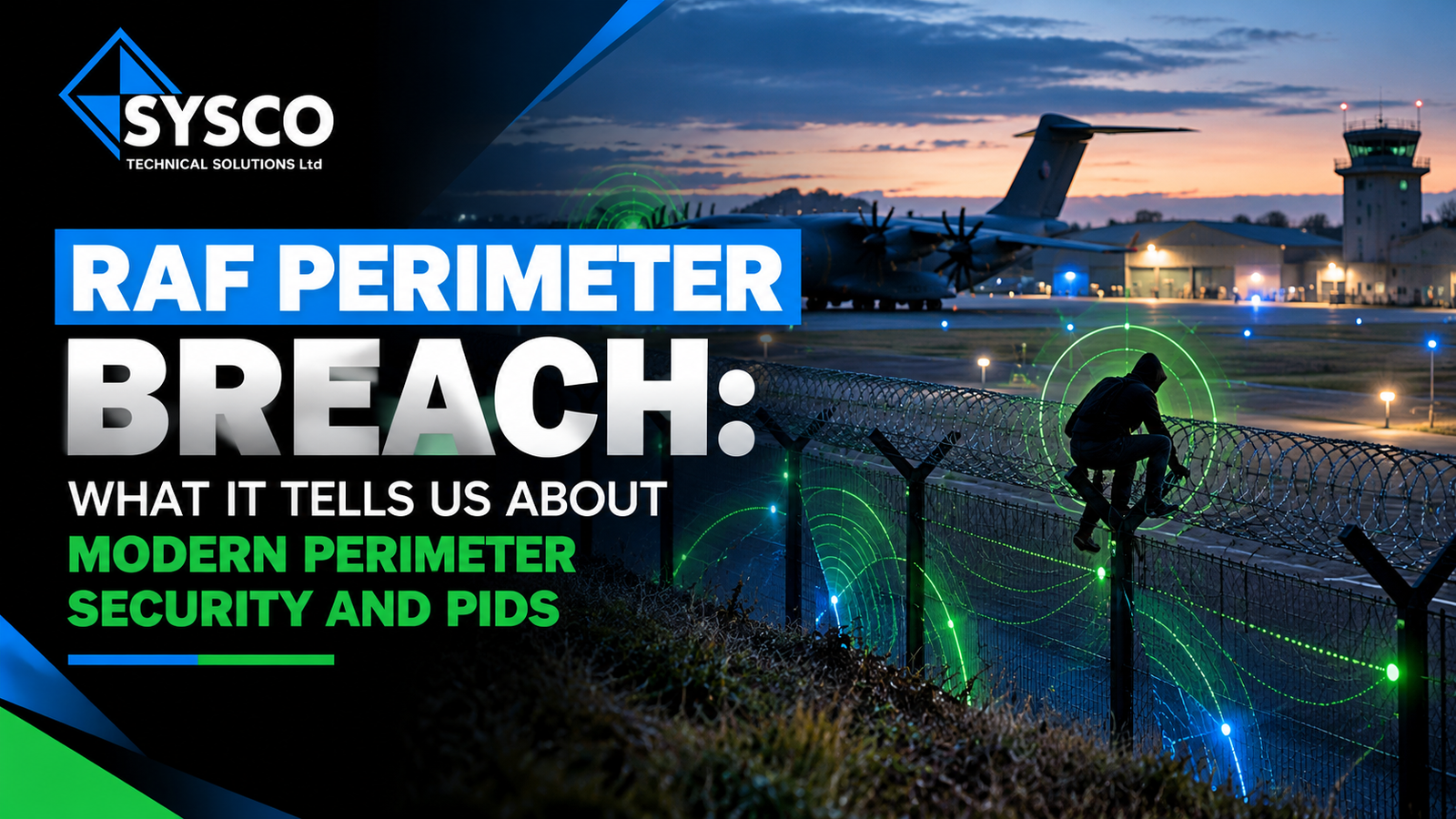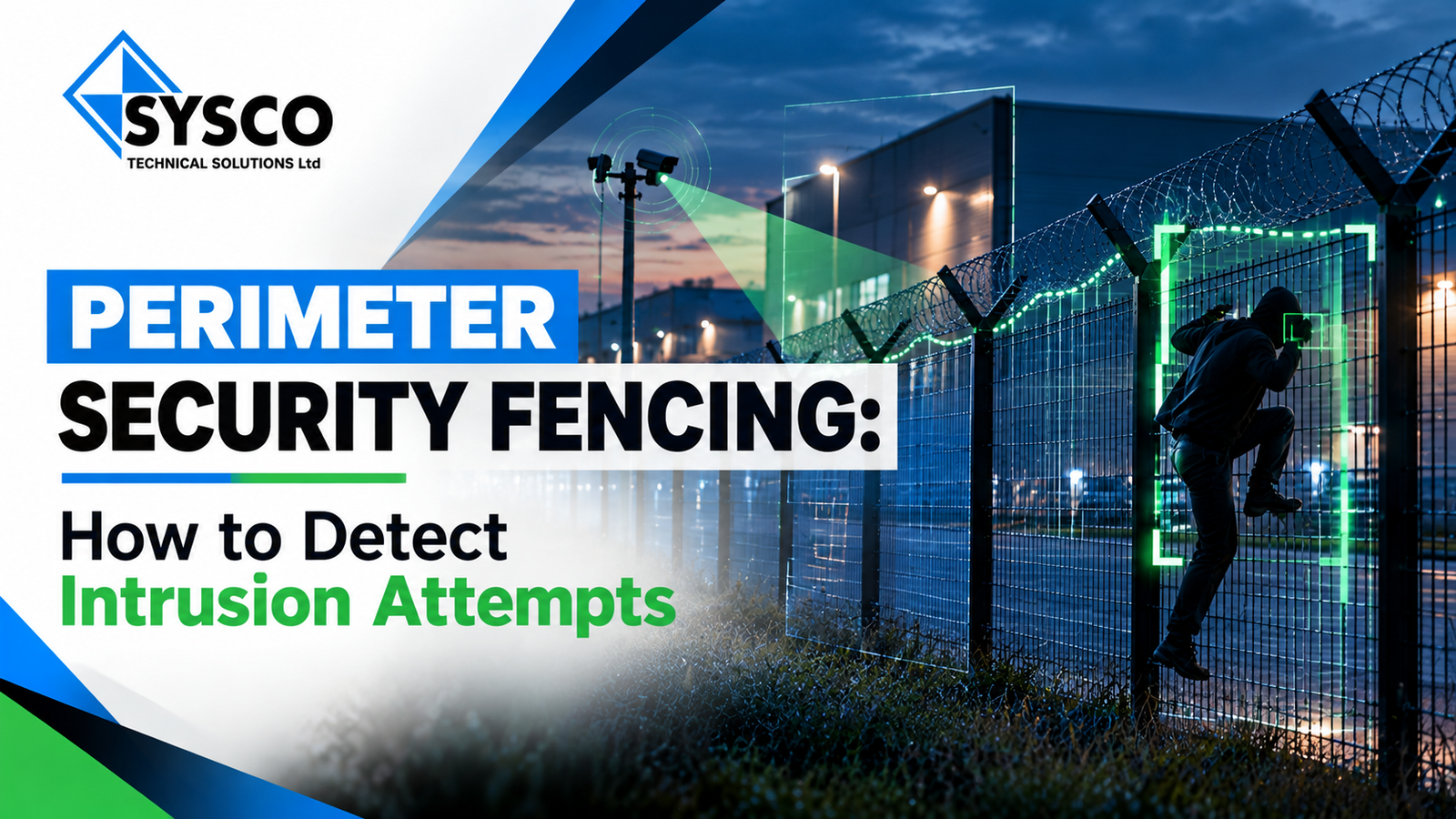

Airports are among the most complex and high-risk infrastructures in the world. With thousands of passengers, employees, and aircraft moving through tightly regulated spaces every day, maintaining a secure perimeter is critical to aviation safety. Modern perimeter security systems play a vital role in preventing unauthorised access, detecting threats early, and ensuring compliance with international aviation safety standards.
As threats become more sophisticated, airports can no longer rely on traditional fencing or manual patrols alone. Advanced perimeter protection and perimeter intrusion detection systems are now essential components of a comprehensive airport security strategy.
Why Airport Perimeter Security Matters
An airport’s perimeter is its first line of defense. Any breach – whether accidental or malicious – can disrupt operations, endanger lives, and result in severe regulatory and financial consequences. Regulatory bodies such as ICAO, TSA, and local aviation authorities require airports to implement robust perimeter intrusion detection measures to reduce risk and ensure continuous situational awareness.
Effective perimeter detection systems help airports:
- Prevent unauthorised access to restricted areas
- Detect intrusions in real time
- Reduce response times for security teams
- Maintain compliance with aviation safety regulations
- Protect aircraft, passengers, cargo, and critical infrastructure
Key Components of Airport Perimeter Security Systems
Modern airport perimeter security systems integrate multiple technologies to provide layered protection. These systems are designed to operate in diverse environments, from open runways and fencing lines to remote and low-visibility areas.
1. Physical Barriers and Perimeter Protection
Physical barriers such as high-security fencing, walls, and gates remain an essential foundation of perimeter protection. However, these barriers are most effective when combined with intelligent detection technologies that can identify climbing, cutting, or tampering attempts.
2. Perimeter Intrusion Detection Systems (PIDS)
A perimeter intrusion detection system is designed to identify and alert security teams to unauthorised activity along the perimeter. Common technologies include:
- Fence-mounted vibration and motion sensors
- Buried cable and ground sensor systems
- Microwave and infrared detection
- Fiber-optic sensing technologies
These perimeter intrusion detection systems provide continuous monitoring and can distinguish between real threats and environmental factors such as wind, rain, or wildlife.
3. Video Surveillance and Analytics
Cameras integrated with intelligent video analytics enhance perimeter detection systems by visually verifying alarms. AI-powered analytics can automatically detect suspicious behavior, track movement, and trigger alerts, reducing false alarms and improving response accuracy.
4. Access Control Integration
Integrating perimeter intrusion detection with access control systems ensures that only authorised personnel and vehicles can enter restricted zones. This layered approach strengthens overall airport security while maintaining operational efficiency.
Meeting Aviation Safety and Compliance Standards
Airports must meet strict national and international safety requirements. Advanced perimeter intrusion detection systems help ensure compliance by:
- Providing audit-ready event logs and reporting
- Enabling 24/7 monitoring and rapid incident response
- Supporting redundancy and fail-safe operations
- Aligning with ICAO Annex 17 and local aviation security regulations
A well-designed perimeter security system not only enhances safety but also demonstrates an airport’s commitment to regulatory compliance and risk management.
Benefits of Advanced Perimeter Detection Systems
Investing in modern perimeter detection systems delivers long-term operational and financial benefits, including:
- Reduced security incidents and downtime
- Lower manpower requirements through automation
- Improved threat detection accuracy
- Scalable solutions for airport expansion projects
- Enhanced passenger confidence and safety
By leveraging smart technologies, airports can move from reactive security to proactive threat prevention.
Why Choose Sysco Tech for Airport Perimeter Security
Sysco Tech delivers end-to-end perimeter security systems tailored to the unique challenges of airport environments. From system design and deployment to integration and ongoing support, Sysco Tech provides reliable, scalable, and compliant perimeter protection solutions.
With expertise in advanced perimeter intrusion detection systems and cutting-edge perimeter detection systems, Sysco Tech helps airports strengthen their security posture while meeting the highest aviation safety standards.
Conclusion
Airport security starts at the perimeter. As threats evolve and regulatory demands increase, robust perimeter intrusion detection and perimeter protection are no longer optional – they are essential. By implementing intelligent, integrated perimeter security systems, airports can safeguard critical assets, ensure regulatory compliance, and maintain safe, uninterrupted operations.
Sysco Tech stands ready to support airports with advanced solutions that meet today’s challenges and tomorrow’s security needs.
Related Articles:
The Ultimate Guide to Perimeter Intrusion Detection Systems
How Perimeter Intrusion Detection Systems Work
Top 7 Threats Perimeter Detection Systems Can Prevent
Frequently Asked Questions (FAQs)
What is airport perimeter security?
Airport perimeter security refers to the technologies, systems, and processes used to protect the outer boundary of an airport from unauthorised access. It includes physical barriers, surveillance, and advanced perimeter intrusion detection systems designed to identify and respond to threats before they reach critical airport operations.
Why are perimeter intrusion detection systems important for airports?
Airports cover large, open areas that are difficult to monitor manually. Perimeter intrusion detection systems provide continuous, automated monitoring, enabling real-time alerts when an intrusion occurs. This allows security teams to respond quickly, reduce risks, and comply with aviation safety regulations.
What types of perimeter security systems are used at airports?
Airports use a combination of perimeter security systems, including:
- High-security fencing and gates
- Fence-mounted and buried cable sensors
- Microwave, infrared, and radar-based detection
- Video surveillance with AI analytics
- Integrated access control systems
These layered perimeter detection systems improve accuracy and reduce false alarms.
Can perimeter intrusion detection systems reduce false alarms?
Yes. Modern perimeter intrusion detection systems use intelligent sensors and video analytics to distinguish between real threats and environmental factors such as weather, animals, or vegetation movement. This significantly reduces false alarms and improves operational efficiency.
Are perimeter detection systems scalable for large or expanding airports?
Absolutely. Today’s perimeter detection systems are modular and scalable, making them ideal for airports undergoing expansion or modernisation. New zones, runways, or terminals can be added without disrupting existing security infrastructure.
How do perimeter security systems integrate with other airport security solutions?
Advanced perimeter security systems integrate seamlessly with video management systems, access control, alarm management platforms, and command-and-control centers. This unified approach enhances situational awareness and speeds up incident response.
Why choose Sysco Tech for airport perimeter security?
Sysco Tech delivers customised perimeter protection and perimeter intrusion detection systems designed specifically for high-risk airport environments. With deep technical expertise and end-to-end support, Sysco Tech helps airports achieve compliance, reliability, and long-term security performance.