Quick answer: The most common perimeter security risks at critical national infrastructure (CNI) sites are deteriorating fencing, absence of real-time intrusion detection, vehicle-borne attack vectors, fragmented security systems, high false-alarm rates, poor low-light coverage, single-layer defenses, weak cyber-physical integration, slow incident response, and outdated risk assessments. Addressing all ten requires a layered perimeter security system combining hardened fencing, a perimeter intrusion detection system (PIDS), unified monitoring software, and rehearsed response protocols.
Critical national infrastructure – power stations, water treatment plants, data centers, ports, airports, and telecommunications hubs – sits at the top of any threat actor’s target list. A breach at one of these facilities doesn’t just cause property damage; it can disrupt essential services for entire regions, endanger lives, and trigger cascading economic effects. Aging grid infrastructure compounds the problem: much of the electricity transmission network in developed countries is now decades old, and the perimeters protecting it were often designed for a threat landscape that no longer exists.
The first line of defense for any CNI site is its perimeter. Yet many facilities still rely on outdated fencing and patchy surveillance, leaving dangerous gaps that a modern PIDS security strategy is specifically designed to close. Below, we break down the ten most common perimeter vulnerabilities facing critical infrastructure operators today, referencing recognized frameworks like NERC’s Critical Infrastructure Protection (CIP) standards, and what a properly engineered perimeter security installation should do to address each one.
Table of Contents
- Unmonitored or poorly maintained fencing
- Lack of real-time intrusion detection
- Vulnerability to vehicle-borne threats
- Fragmented, non-integrated security systems
- Environmental and weather-related nuisance alarms
- Inadequate coverage in low-visibility conditions
- Insufficient buffer zones and layered defense
- Poor integration between physical security and cybersecurity
- Delayed or inconsistent incident response
- Outdated risk assessments
- FAQs
1. Unmonitored or Poorly Maintained Fencing
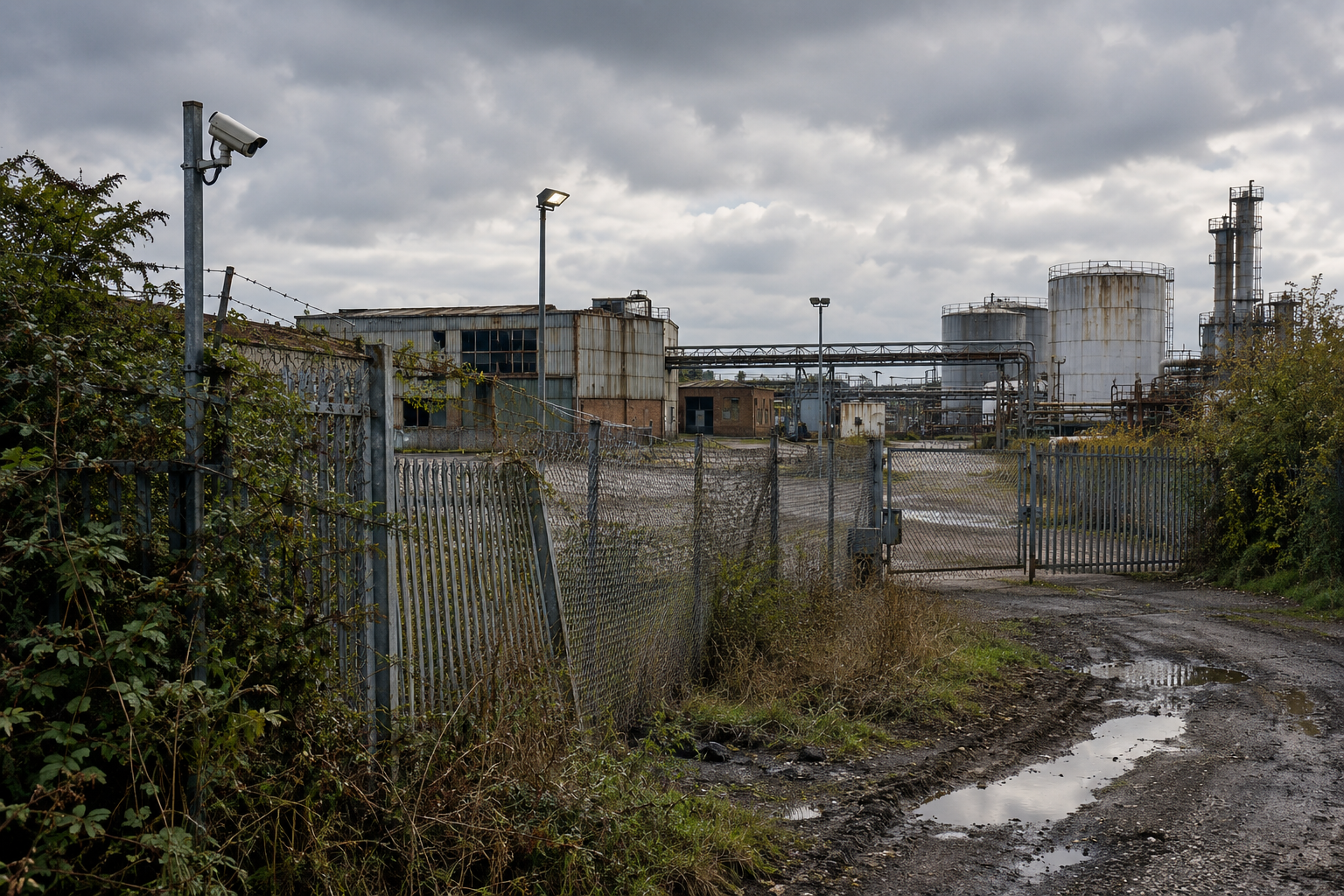
A fence is only as strong as its weakest section. Corrosion, vegetation overgrowth, storm damage, and simple wear and tear create blind spots that intruders actively look for. Without regular inspections tied into a broader fence protection program, a single sagging panel or gap under a fence line can undo the value of an otherwise expensive security investment.
Why it matters: Independent testing bodies now certify perimeter fencing against real intrusion scenarios rather than visual appearance alone, because a system that “looks secure” is not the same as one that has been proven to delay a determined intruder.
The fix: Combine physical fencing standards (height, mesh gauge, anti-climb design) with routine structural audits as part of ongoing fencing and security maintenance schedules, and prioritise delay-rated fencing at the highest-risk sites.
2. Lack of Real-Time Intrusion Detection
Passive fencing alone cannot tell you when someone is attempting to breach it. Sites that rely purely on after-the-fact CCTV review, rather than active alerts, often discover incidents only once damage is already done.
Why it matters: A publicised case in the Middle East illustrates this well – a national electricity transmission operator managing 90 remote grid stations struggled to identify and respond to intrusions in time, including members of the public entering live substations. The operator closed the gap by deploying monitored, alarmed fencing that triggers instant alerts on contact.
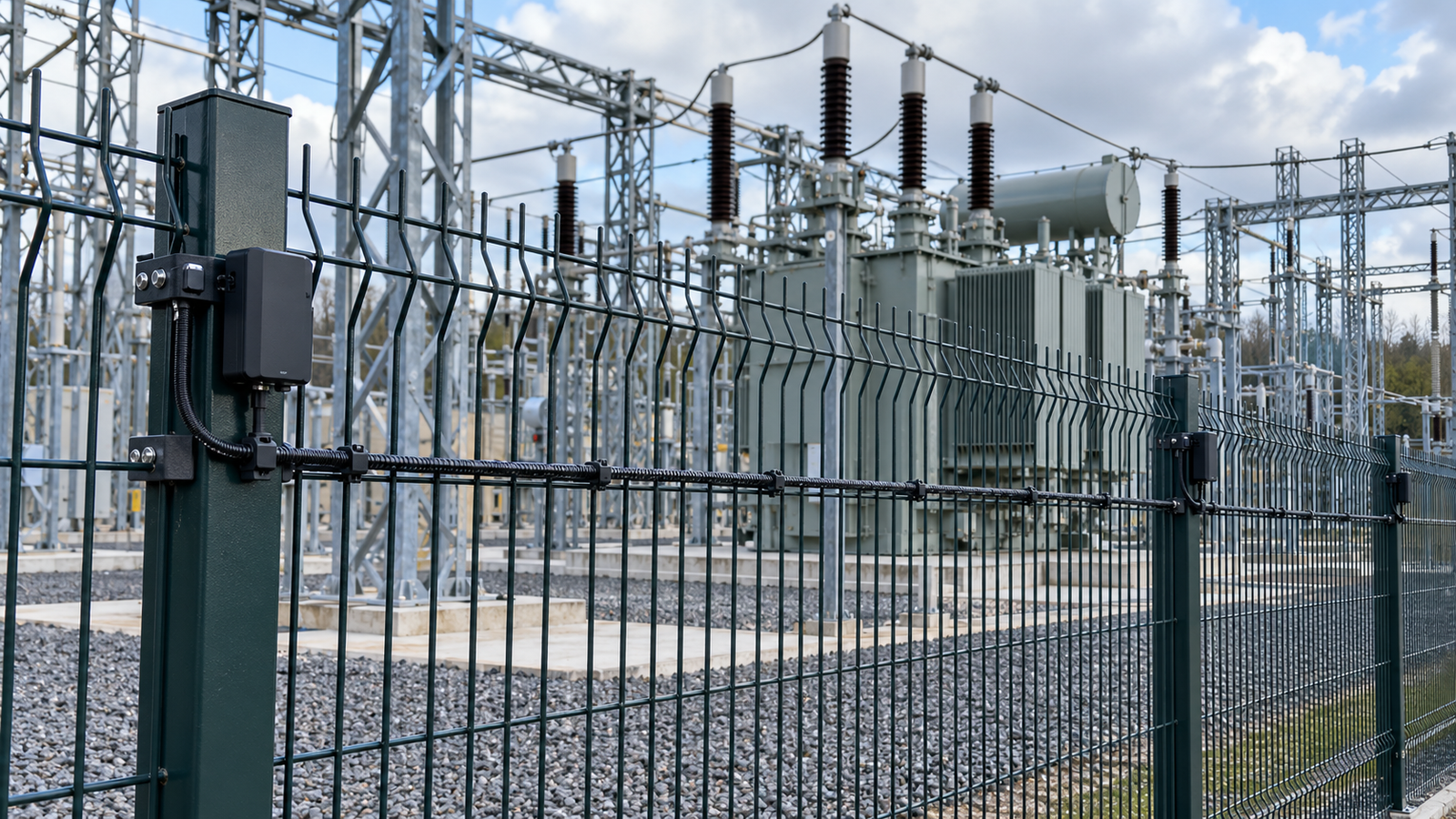
The fix: A dedicated perimeter intrusion detection system – using fiber-optic sensing cables, microwave beams, taut-wire, or vibration analysis – flags climbing, cutting, or lifting attempts the moment they happen, giving security teams the seconds or minutes they need to respond.
3. Vulnerability to Vehicle-Borne Threats
Many CNI perimeters are designed to stop pedestrians but overlook vehicle-based intrusion or ramming attacks. Access roads, loading areas, and delivery gates are frequently the softest points along an otherwise hardened boundary.
The fix: Hostile vehicle mitigation (crash-rated bollards, barriers, sliding gates) should be integrated directly into the site’s perimeter protection design, not bolted on as an afterthought. Crash-rated fencing and modular barricades are increasingly specified for high-alert scenarios such as protests near energy facilities.
4. Fragmented, Non-Integrated Security Systems
Cameras from one vendor, access control from another, and alarms that don’t talk to either – this kind of fragmentation is one of the most common failures at legacy CNI sites. When systems operate in silos, operators lose precious time correlating alerts manually, and audit trails become inconsistent or incomplete.
The fix: Modern physical security systems should be unified under a single command-and-control platform, so a triggered sensor automatically slews the nearest camera and notifies the response team without manual intervention. Centralised platforms also make compliance audits far easier to evidence.
5. Environmental and Weather-Related Nuisance Alarms
High false-alarm rates are one of the fastest ways to erode trust in a security system. Wind-blown debris, wildlife, and heavy rain can all trigger poorly calibrated sensors, leading operators to eventually ignore – or even disable – alerts altogether. Industry analysts identify “nuisance alarm fatigue,” where a system can’t reliably tell environmental noise from a genuine intrusion, as a leading sign that a security posture needs modernisation.
The fix: Choose perimeter detection systems with adaptive filtering and multi-sensor verification (e.g., combining fence vibration data with radar or video analytics) to dramatically cut nuisance alarms while preserving genuine threat detection.
6. Inadequate Coverage in Low-Visibility Conditions
Fog, darkness, and heavy rain remain persistent challenges for camera-only perimeter strategies. Many breaches at industrial and utility sites happen overnight or during poor weather specifically because attackers know visual detection is weakest then.
The fix: Thermal imaging, radar, and buried cable sensors extend detection capability well beyond what visible-light cameras can offer alone, ensuring fence intrusion detection remains effective 24/7, in every season and light condition.
7. Insufficient Buffer Zones and Layered Defense
Relying on a single fence line as the sole barrier is a high-risk strategy. If that one line is breached, there’s often nothing standing between the intruder and critical assets. Security engineers describe this using the “delay” principle: the goal of a perimeter is rarely to stop an intrusion permanently, but to buy enough time for a response team to intervene.
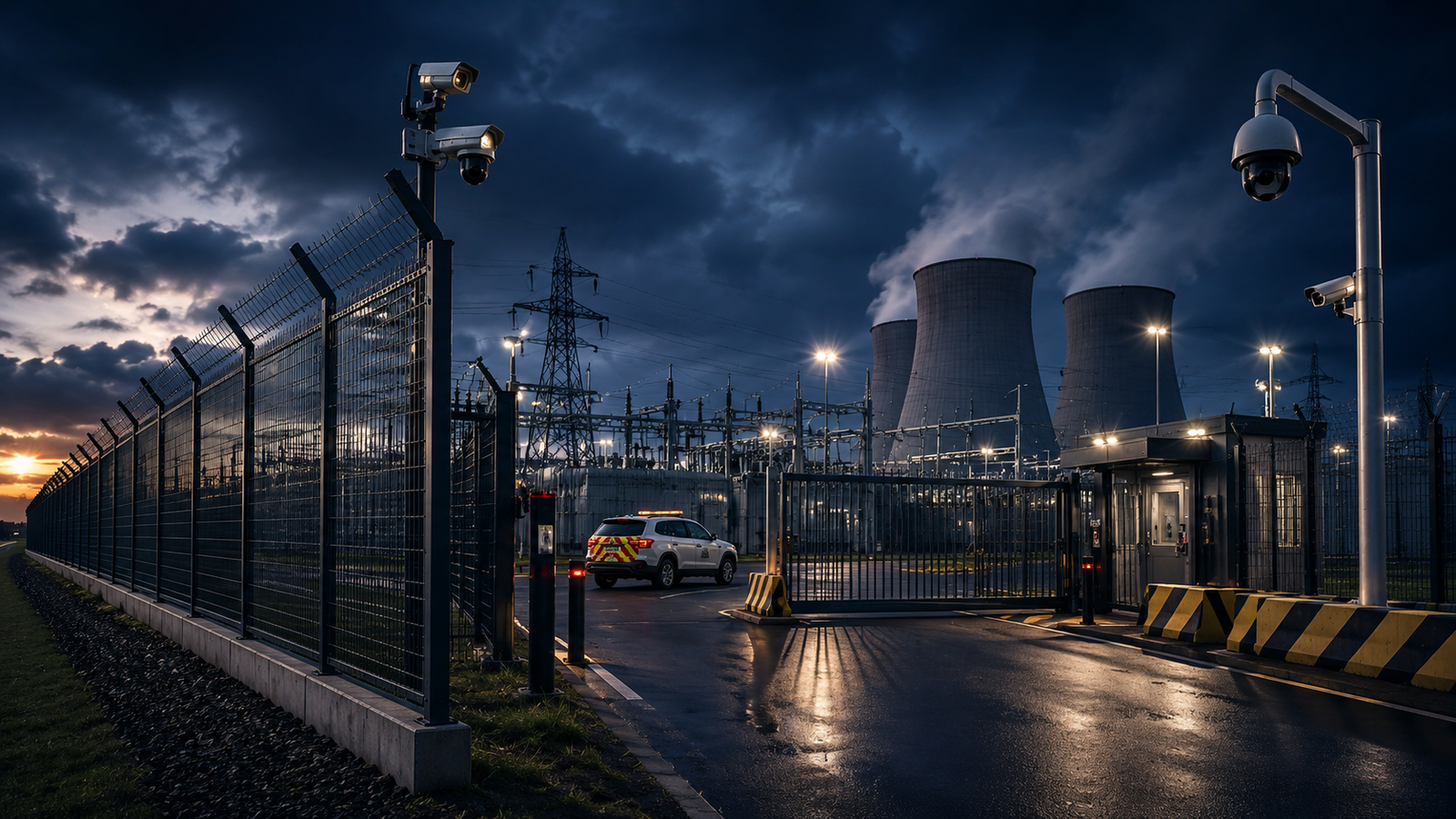
The fix: A layered, defense-in-depth approach – outer detection fence, buffer zone, inner hardened barrier, and building-level access control – gives operators multiple opportunities to detect and intercept a threat before it reaches sensitive equipment. This defense-in-depth model is explicitly emphasized in NERC’s CIP framework and is treated as the baseline even by utilities not formally bound by it.
8. Poor Integration Between Physical Security and Cybersecurity Teams
As perimeter systems become increasingly networked (IP cameras, smart sensors, cloud-based monitoring), they also become potential entry points for cyberattacks. A facility can have excellent physical perimeter protection and still be compromised through an unsecured network-connected sensor. The Stuxnet attack on industrial control systems remains the canonical example of how a purely physical or purely digital view of security leaves dangerous blind spots – sabotage occurred by exploiting trust assumptions between systems, not by defeating a fence.
The fix: Physical and IT security teams should collaborate on network segmentation, device hardening, and firmware update policies for every component of the perimeter security systems deployed on-site. Treat every camera, sensor, and controller as a potential network endpoint requiring the same rigor as a laptop or server.
9. Delayed or Inconsistent Incident Response
Detection without response is only half the solution. Sites that lack clear escalation protocols, trained personnel, or integration with local law enforcement often see detection-to-response times stretch into minutes – far too long for a determined intruder to be stopped.
The fix: Pair detection technology with documented response procedures, regular drills, and automated notification workflows so alerts translate into action immediately. If a staffed, on-site response isn’t feasible for remote or unmanned sites, detection and deterrence layers need to compensate accordingly.
10. Outdated Risk Assessments
Threats evolve. A perimeter security plan designed five or ten years ago may not account for drone reconnaissance, new breach techniques, or changes in the site’s own layout and asset value. Static, “set and forget” security postures are a significant liability for CNI operators, especially as utilities reportedly face dozens of new vulnerabilities identified every day across the sector.
The fix: Conduct annual (or more frequent) site risk assessments, penetration testing, and vulnerability reviews to keep perimeter security installation decisions aligned with the current threat landscape.
Building a Resilient Perimeter Strategy
No single technology solves every perimeter risk on its own. The most resilient critical infrastructure sites combine physical hardening, layered detection, real-time monitoring, and well-rehearsed response protocols into one cohesive strategy. Investing in a properly designed perimeter intrusion detection system, backed by regular maintenance and cross-team coordination, is no longer optional for facilities that keep the lights on, the water running, and the data flowing.
Getting perimeter security right protects more than a fence line – it protects the essential services an entire community depends on.
Frequently Asked Questions
What is PIDS security?
PIDS security refers to a Perimeter Intrusion Detection System – sensor-based technology (fiber-optic, vibration, microwave, radar, or buried cable) installed along a fence line or boundary to detect climbing, cutting, or crossing attempts and trigger real-time alerts before an intruder reaches critical assets.
What is the difference between perimeter protection and perimeter intrusion detection?
Perimeter protection is the broader category, covering physical barriers like fencing, gates, and bollards. Perimeter intrusion detection is a specific layer within that broader strategy, focused on sensing and alerting to breach attempts as they happen, rather than simply slowing an intruder down.
Why do critical infrastructure sites need layered perimeter security instead of just a fence?
A single fence line only delays an intruder; it doesn’t guarantee detection or response. Layered perimeter security – combining detection sensors, buffer zones, surveillance, and access control – creates multiple opportunities to identify and intercept a threat before it reaches sensitive equipment, which is the defense-in-depth principle referenced in frameworks like NERC CIP.
What causes false alarms in perimeter intrusion detection systems?
Wind, rain, wildlife, and vegetation are the most common causes of nuisance alarms in fence-mounted and buried-cable sensors. Modern perimeter detection systems reduce these through adaptive filtering and multi-sensor verification, such as pairing a fence sensor alert with radar or video confirmation before escalating it to security personnel.
How often should a CNI site’s perimeter security be reassessed?
Most security consultants recommend at least an annual risk assessment, with additional reviews triggered by site changes, new threat intelligence, or incidents at comparable facilities. Static security postures are one of the most common vulnerabilities identified during audits.
Does perimeter security also need to address cybersecurity risks?
Yes. Modern perimeter sensors, cameras, and controllers are network-connected devices, making them potential entry points for cyberattacks if not properly segmented and hardened. Physical security and IT teams should coordinate on device authentication, firmware updates, and network segmentation as part of a unified strategy.
Looking to assess or upgrade your site’s perimeter defenses? Sysco Tech can carry out a professional perimeter security assessment for your site – identifying gaps across fencing, intrusion detection, and integration before they become incidents. Contact us to arrange a site survey.