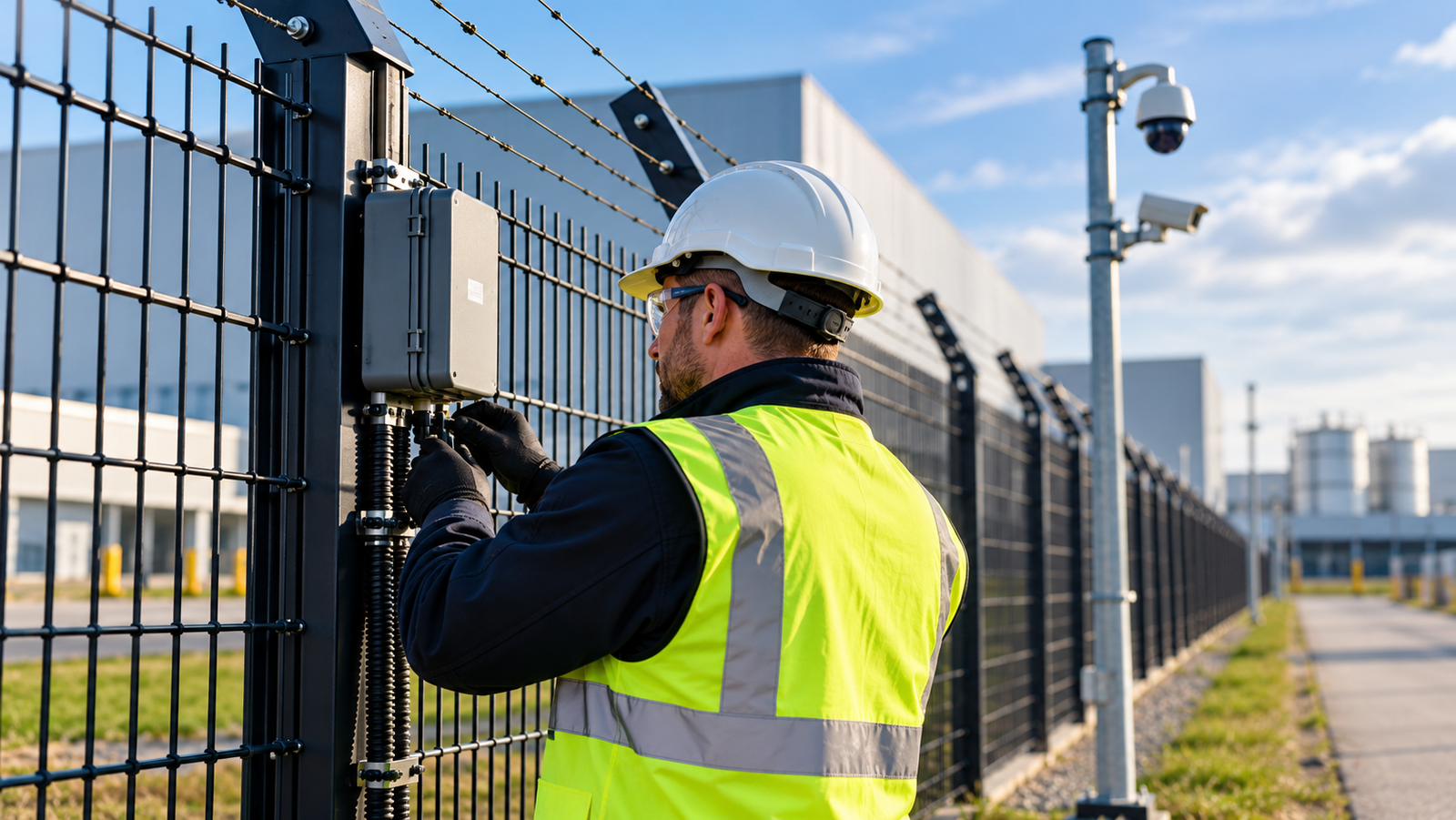
Installing a perimeter security system is an important step in protecting your premises, but installation alone doesn’t guarantee reliable protection indefinitely.
Over time, environmental conditions, physical damage, equipment deterioration and changes around your site can affect how well a security system operates.
A fence-mounted sensor that once performed reliably may begin generating unnecessary alarms. Vegetation could interfere with detection equipment. A damaged cable or connection might leave part of your perimeter inadequately monitored.
For businesses responsible for valuable assets, sensitive facilities and critical infrastructure, these issues cannot simply be ignored.
Regular perimeter security maintenance helps identify potential faults, maintain reliable detection and ensure your security systems remain suitable for their intended purpose.
In this guide, we explain why perimeter security servicing matters, what maintenance should include, the warning signs to watch for and when to seek professional assistance.
What Is Perimeter Security Maintenance?
Perimeter security maintenance involves inspecting, testing, servicing and, where necessary, repairing equipment used to detect unauthorised activity around a protected boundary.
This includes Perimeter Intrusion Detection Systems (PIDS), which use specialist sensors and associated equipment to identify potential intrusion attempts.
Depending on the installation, maintenance may involve:
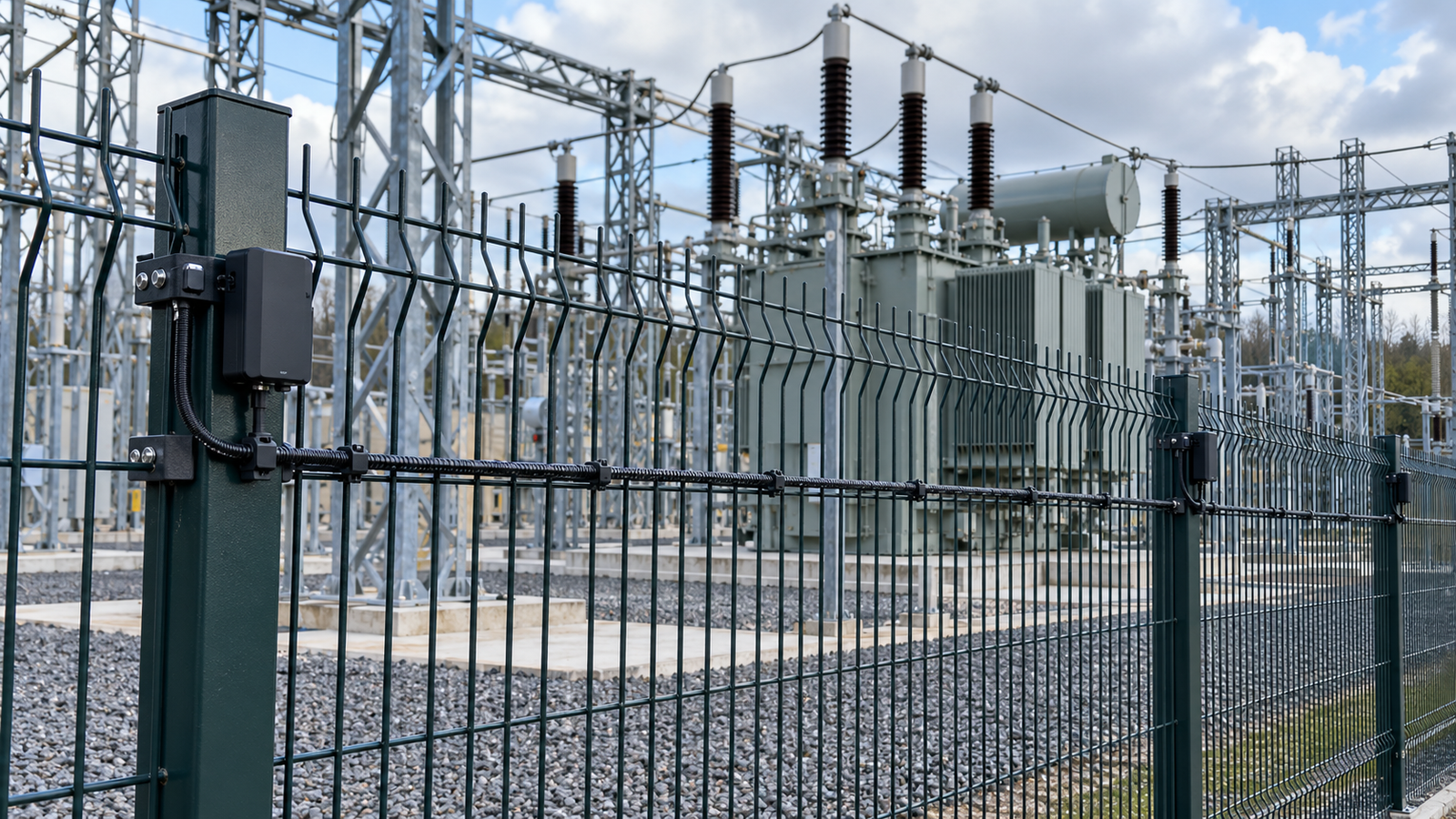
- Fence-mounted intrusion detection sensors
- Sensor cables, connectors and mounting equipment
- Alarm processing and control units
- Detection zones and system configuration
- Power supplies and communications equipment
- Integration with CCTV and monitoring platforms
- System software and operational records
The objective is to verify that the installed equipment continues to operate as intended and that security personnel receive useful alarms when suspicious activity occurs.
Maintenance is particularly important for outdoor systems because they operate continuously in environments that can change significantly throughout the year.
Why Is Regular Perimeter Security Maintenance Important?
A perimeter intrusion detection system is only useful when it can recognise potential threats and communicate alarms effectively.
Without appropriate maintenance, problems can develop gradually and remain unnoticed until an incident occurs.
1. Maintain Reliable Intrusion Detection
Over time, damaged components, loose mounting points or changes in fence condition may affect detection performance.
Routine inspections and functional testing help identify issues before they compromise the effectiveness of a protected boundary.
2. Reduce Unnecessary False Alarms
Repeated false alarms can interrupt security operations and increase the workload of monitoring personnel.
Wind, wildlife, vegetation, nearby traffic and other environmental factors can influence some detection technologies.
Regular servicing helps identify the causes of nuisance alarms and determine whether repairs, adjustments or changes to the surrounding environment are needed.
3. Identify Equipment Faults Early
Outdoor cabling, connections and electronic equipment may deteriorate through weather exposure, accidental damage or general wear.
Early identification can help prevent a minor issue from becoming a more extensive system failure.
4. Support Security Operations
Security teams need confidence that alarms are reaching the correct monitoring equipment and identifying the appropriate detection areas.
Periodic testing helps confirm that the system continues to support established security response procedures.
5. Protect Long-Term System Performance
A properly maintained system is better positioned to deliver reliable service throughout its intended operational life.
Maintenance records can also help organisations identify recurring faults, assess equipment condition and plan future upgrades.
What Should Perimeter Security System Maintenance Include?
The exact servicing requirements depend on the installed technology, site conditions and manufacturer recommendations.
However, a professional maintenance programme will typically consider several important areas.
Physical Inspection of Sensors and Equipment
Technicians should inspect accessible sensors, fixings, enclosures and associated equipment for visible signs of damage or deterioration.
For fence-mounted systems, this may include checking the condition of sensor mounting points and identifying changes to the fence structure.
Loose or damaged components can affect system reliability and should be investigated.
Fence and Boundary Condition Checks
Fence condition can influence the performance of installed intrusion detection equipment.
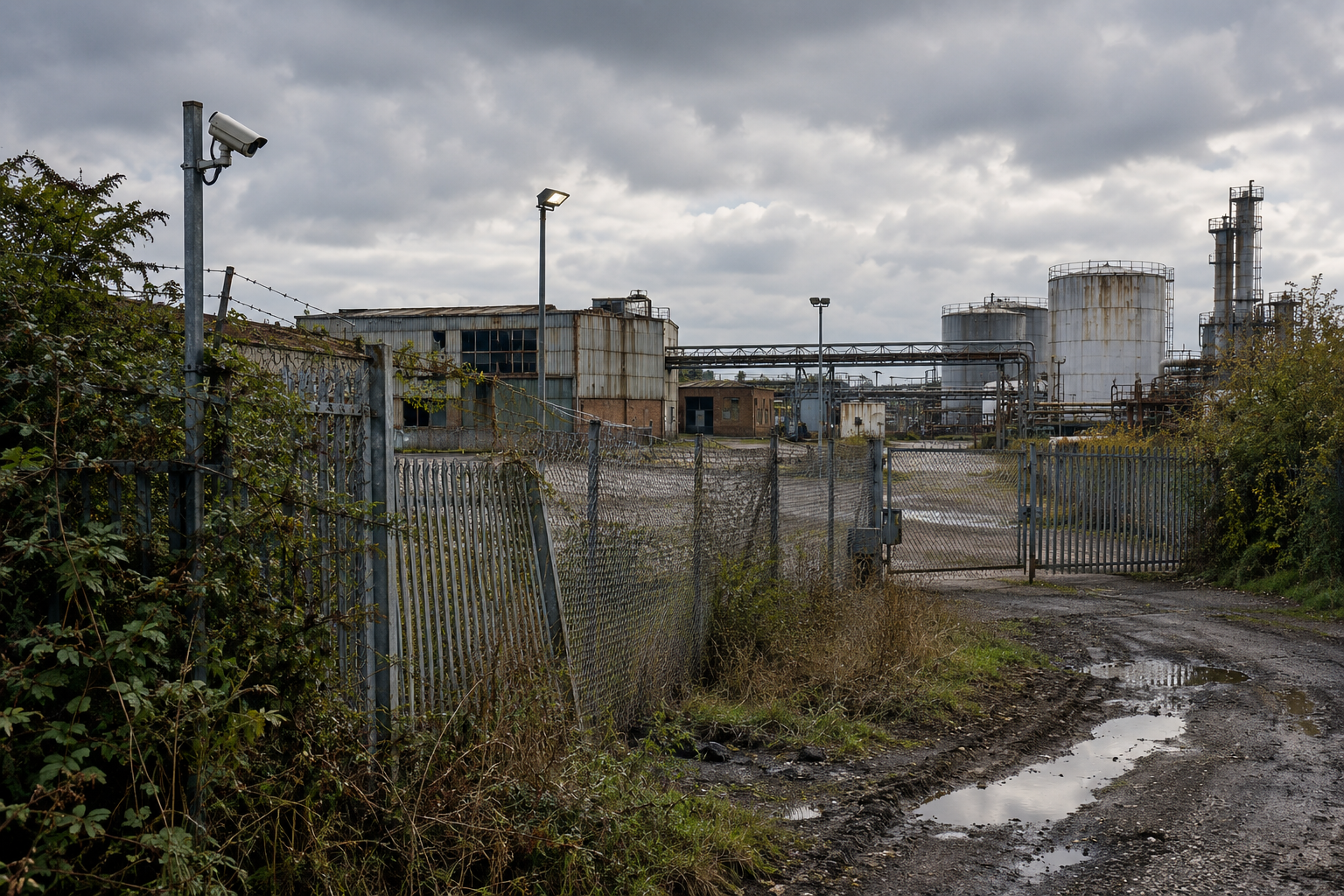
Damaged panels, loose sections, unstable posts and changes in fence tension may introduce unwanted movement or reduce detection reliability.
Maintenance should therefore consider both the detection equipment and its immediate physical environment.
Detection and Alarm Testing
Functional testing helps confirm that the system responds appropriately to defined test activities.
Testing should follow the relevant manufacturer’s procedures and site safety arrangements.
It may include verifying alarm generation, confirming detection-zone identification and checking communication with connected monitoring equipment.
Cabling and Communication Checks
Damaged cables, deteriorated connectors and communication faults can affect the operation of perimeter security systems.
Suitable inspections and diagnostic testing help identify potential issues before they cause loss of functionality.
System Configuration Review
System settings that were appropriate when equipment was commissioned may need review if site conditions have changed.
For example, new machinery, alterations to fencing or changes in nearby activity may affect some detection environments.
Any adjustments should be made by competent personnel and followed by suitable testing.
Alarm History and Performance Review
Reviewing recorded alarms can reveal patterns that are not immediately apparent during a physical inspection.
Repeated alarms in the same zone, intermittent communication failures or unexpected changes in activity may indicate an underlying problem.
Investigating these patterns can help improve ongoing system management.
7 Warning Signs Your Perimeter Security System Needs Attention
Not every system fault results in a complete failure. Some problems develop gradually.
Security managers and facilities teams should pay attention to the following warning signs.
1. Frequent false alarms: Repeated alarms without an identifiable cause may indicate environmental interference, configuration issues or equipment faults.
2. Unresponsive detection zones: If a sensor or zone fails to respond during authorised testing, further investigation is necessary.
3. Intermittent communication faults: Repeated connection failures between sensors, controllers and monitoring platforms can affect alarm reporting.
4. Visible damage: Broken sensor housings, exposed cabling, loose equipment or damaged fencing should be assessed promptly.
5. Changes around the perimeter: New vegetation, construction activity or modifications to the fence may affect the original detection arrangement.
6. Unexpected system warnings: Fault notifications, power warnings or controller errors should not be routinely dismissed.
7. Missing maintenance records: If there is no clear record of recent inspections or functional testing, it may be time to arrange a professional review.
Identifying these warning signs early can help reduce the likelihood of unnoticed security weaknesses.
How Often Should Perimeter Security Systems Be Serviced?
There is no single maintenance interval suitable for every perimeter security installation.
The appropriate schedule depends on several factors, including:
- Manufacturer recommendations
- Detection technology and system complexity
- Site security risks
- Environmental exposure
- Operational demands
- Applicable contractual or regulatory requirements
For example, a system protecting sensitive infrastructure may require a different inspection and testing programme from one installed around a smaller commercial compound.
Outdoor installations exposed to severe weather, heavy vegetation or frequent site activity may also need additional attention.
Inspections may be necessary after significant events such as attempted intrusion, accidental fence damage, major construction work or severe weather.
The best approach is to establish a documented maintenance schedule based on the site’s risks and the installed equipment.
This should include responsibility for inspections, fault reporting, testing and corrective action.
Preventive Maintenance vs Reactive Repairs
Perimeter security maintenance generally involves two complementary approaches.
Preventive Maintenance
Preventive maintenance consists of planned inspections, servicing and testing intended to identify issues before they cause significant disruption.
It helps businesses maintain visibility over system condition and schedule appropriate corrective work.
Reactive Maintenance
Reactive maintenance involves investigating and repairing faults after they have been identified.
This may include failed sensors, damaged cabling, communication problems or equipment that no longer responds correctly.
Both approaches have a role, but relying exclusively on reactive repairs can leave faults undetected for longer than necessary.
A suitable maintenance programme combines scheduled servicing with clear procedures for reporting and resolving unexpected problems.
Why Maintenance Matters for CCTV-Integrated Perimeter Systems
Many modern perimeter intrusion detection systems operate alongside CCTV and other security monitoring technologies.
For example, when a fence sensor generates an alarm, a compatible system may direct operators to the relevant camera view.
However, this arrangement depends on communication between the detection system and the connected monitoring infrastructure.
Maintenance should therefore consider not only whether individual sensors work, but also whether alarms reach the correct destination.
Relevant checks may include alarm transmission, detection-zone identification and associated system responses.
This helps ensure security operators receive useful information when an event requires investigation.
Which Sites Benefit Most From Professional PIDS Maintenance?
Professional perimeter security servicing is relevant wherever dependable intrusion detection is important.
Industrial and manufacturing facilities: Maintenance supports protection around valuable equipment, production areas and external compounds.
Energy and utilities: Substations, treatment facilities and other infrastructure sites may require dependable detection at restricted boundaries.
Warehouses and distribution centres: Regular inspections help maintain security across extensive fencing and busy operational environments.
Data centres: Preventive servicing supports the physical security arrangements protecting critical IT infrastructure.
Defence and government facilities: Sensitive sites may require structured testing, documented maintenance and reliable alarm integration.
In each case, the maintenance programme should reflect the site’s specific security and operational requirements.
Professional Perimeter Security Maintenance From Sysco Technical Solutions
At Sysco Technical Solutions, we understand that effective perimeter protection depends on reliable operation long after installation.
With over 20 years of experience in specialist perimeter intrusion detection, we support organisations requiring dependable protection for commercial, industrial and high-security facilities.
Our expertise covers the design, installation, commissioning and ongoing support of perimeter intrusion detection systems.
We understand the practical challenges associated with outdoor security equipment, from environmental disturbances to fault investigation and system integration.
Our maintenance and technical support approach can address requirements such as:
- Inspection of perimeter detection equipment
- Investigation of sensor faults and system warnings
- Functional testing of detection and alarm equipment
- Review of nuisance alarm issues
- Assessment of equipment condition and performance
- Technical advice on potential repairs or system improvements
The exact maintenance scope should be determined by the installed system, its condition and the customer’s operational requirements.
Whether you need ongoing support for an existing installation or advice about recurring perimeter detection problems, our specialists can help assess the next steps.
Learn more about our Perimeter Security Systems and specialist protection solutions.
Frequently Asked Questions
What is perimeter security maintenance?
Perimeter security maintenance involves inspecting, testing and servicing equipment used to protect a site’s boundary. It helps identify faults, maintain detection performance and support reliable alarm reporting.
How often should a PIDS system be serviced?
The appropriate servicing frequency depends on manufacturer recommendations, system complexity, environmental conditions and site security requirements. A professional assessment can help determine a suitable maintenance schedule.
Can regular maintenance reduce false alarms?
Yes. Maintenance can help identify equipment faults, unsuitable settings and environmental conditions contributing to nuisance alarms. However, no perimeter detection system can guarantee the complete elimination of false alarms.
What happens if a perimeter detection sensor stops working?
A failed sensor may affect monitoring of the associated detection area. The fault should be investigated promptly, with appropriate temporary security arrangements considered until the issue is resolved.
Can existing perimeter security systems be repaired?
Many faults can be addressed through repair, replacement of suitable components or system reconfiguration. The appropriate solution depends on the equipment, availability of replacement parts and overall system condition.
Does CCTV integration need maintenance?
Yes. Where perimeter detection equipment is integrated with CCTV or security monitoring platforms, relevant alarm communication and system responses should be checked as part of an appropriate maintenance programme.
Is maintenance necessary for newly installed systems?
Yes. Even newly commissioned equipment requires ongoing inspections and testing to confirm that it continues operating correctly as environmental and operational conditions change.
Can Sysco Tech help with perimeter security maintenance?
Sysco Technical Solutions provides ongoing maintenance and technical support for perimeter intrusion detection systems. Contact our team to discuss your installed equipment and maintenance requirements.
Keep Your Perimeter Security Working as Intended
A perimeter security system should provide dependable protection throughout its operational life, not just immediately after installation.
Regular inspections, functional testing and timely repairs help maintain reliable intrusion detection and support effective security response procedures.
At Sysco Technical Solutions, we provide specialist expertise in perimeter intrusion detection, maintenance and ongoing technical support for organisations across the UK.
Whether you’re experiencing recurring false alarms, equipment faults or simply need to review your existing maintenance arrangements, our team can help.
Need Professional Perimeter Security Maintenance?
Contact Sysco Technical Solutions to discuss your system and arrange a tailored assessment.
Call: 01772 621716
Email: enquiries@syscotech.co.uk
Website: https://syscotech.co.uk/