If you’ve searched for “fence protection,” you’ve probably found two very different worlds of results: garden fencing to stop pets escaping, and industrial security systems designed to stop intruders. This guide is about the second kind – fence protection for commercial, industrial and critical infrastructure sites, where a breach isn’t a minor inconvenience but a genuine operational, financial or safety risk.
There’s no single “best” fence protection system that works for every site. The right answer depends on what you’re protecting, how the fence line is laid out, and what kind of threats you’re realistically facing. What we can do – based on two decades of site surveys, installs and call-outs across the UK – is walk you through how to think about the decision properly.
Why a Fence Alone Isn’t Protection
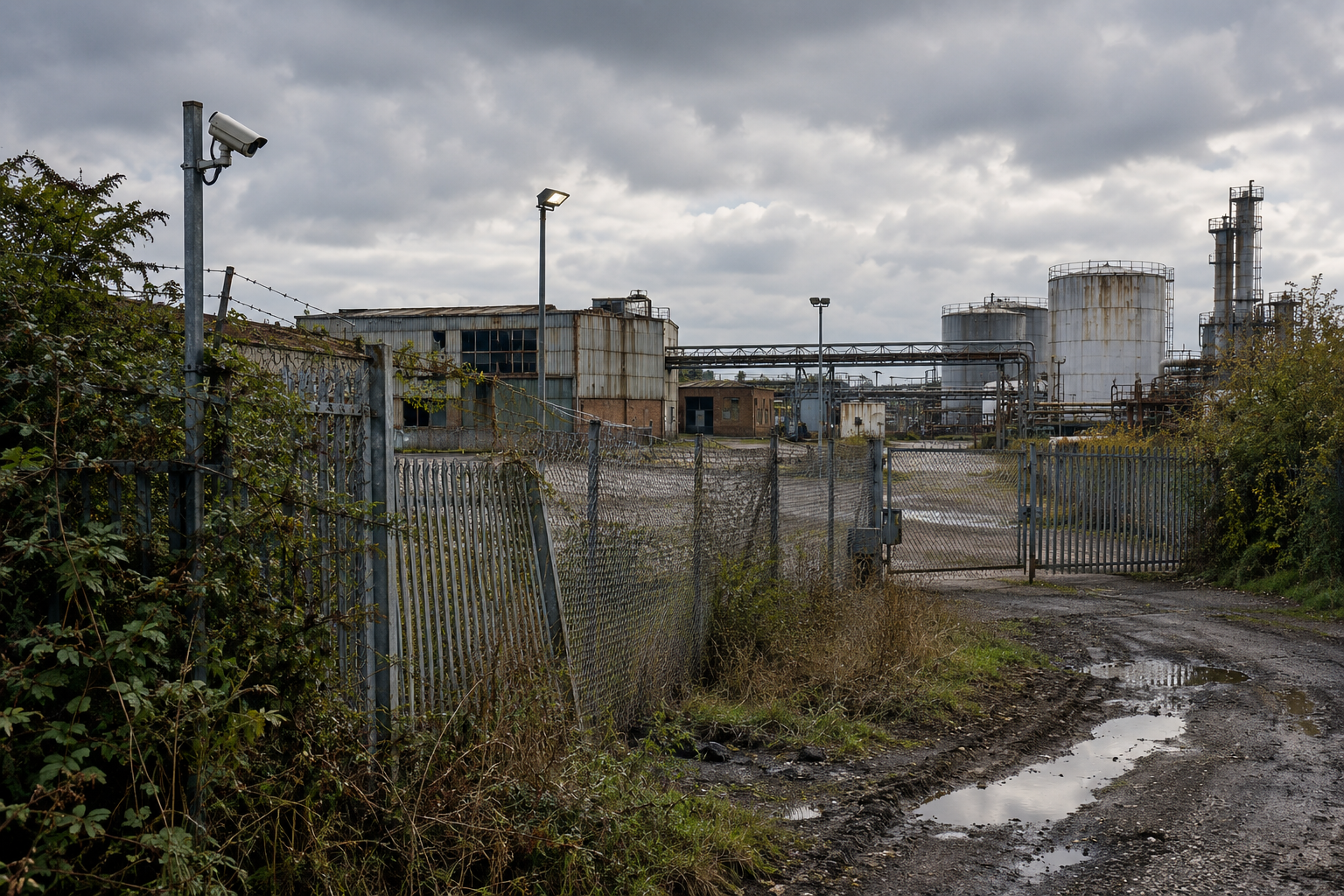
A fence on its own is a deterrent, not a defence. It slows an intruder down, but it doesn’t tell you they’re there. We’ve attended more sites than we can count where a perfectly good security fence had been cut, climbed or lifted, and nobody knew until the damage – or the theft – was already done.
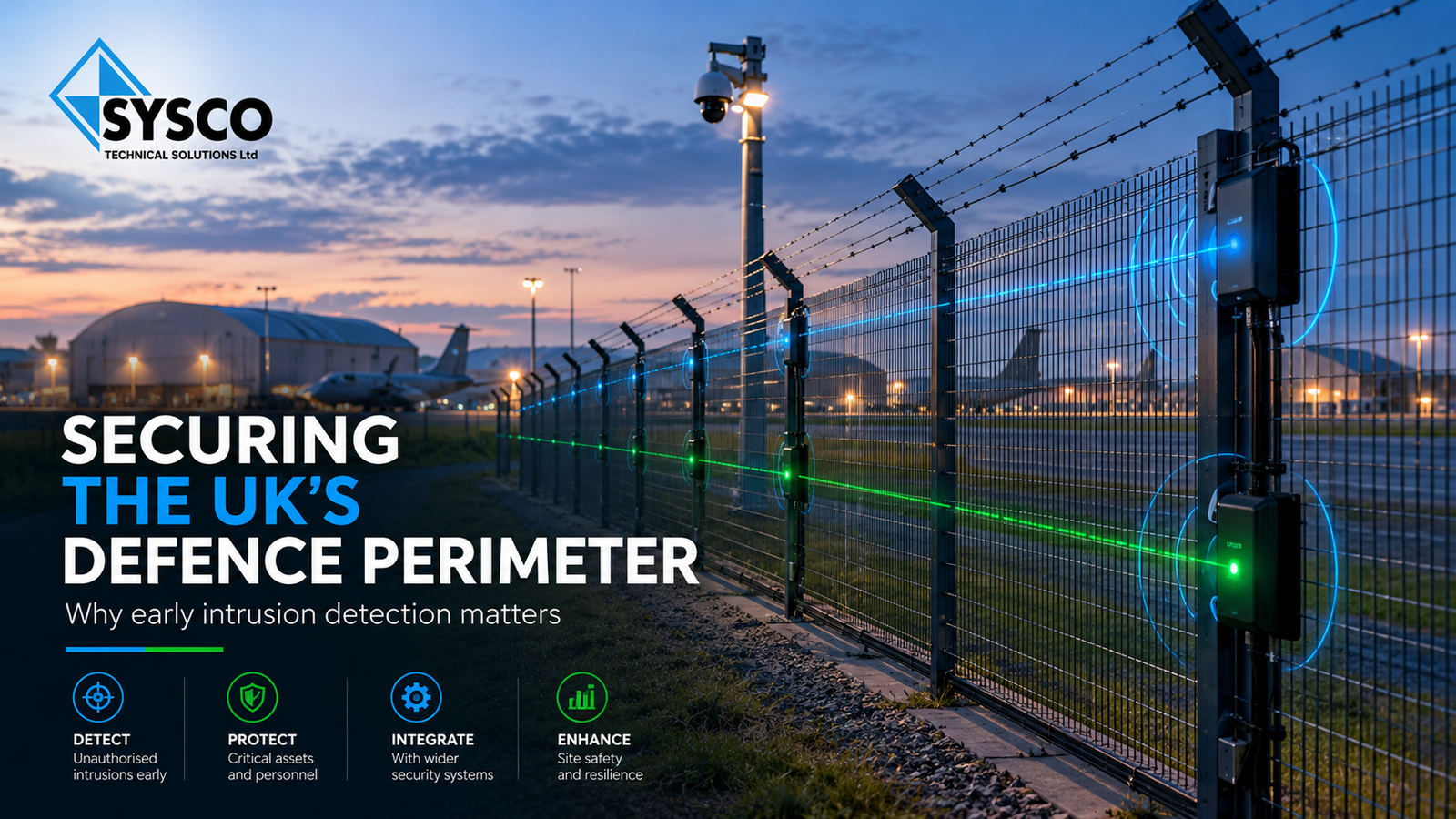
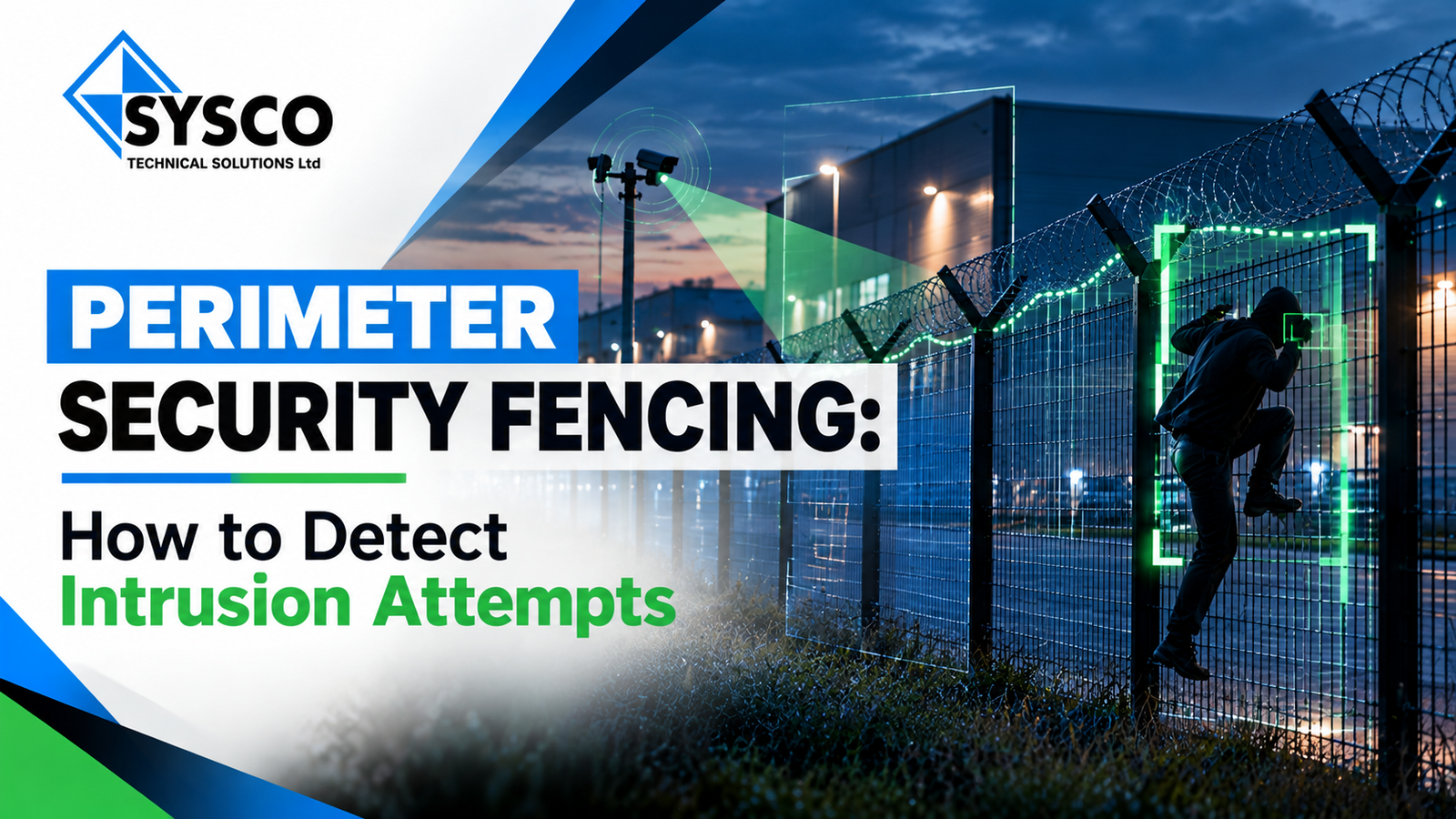
Real fence protection means turning that passive barrier into something that reacts. A fence intrusion detection system sits on or alongside the fence line and raises an alarm the moment someone attempts to climb, cut, or breach it – not after they’ve already gone through. That distinction, reacting in real time rather than discovering a breach hours or days later, is really the whole point of the technology.
The Main Types of Fence Protection Technology
Every site we’ve surveyed is different, so we’ve never been fans of one-size-fits-all kit. But most effective fence for protection setups draw from a handful of core technologies:
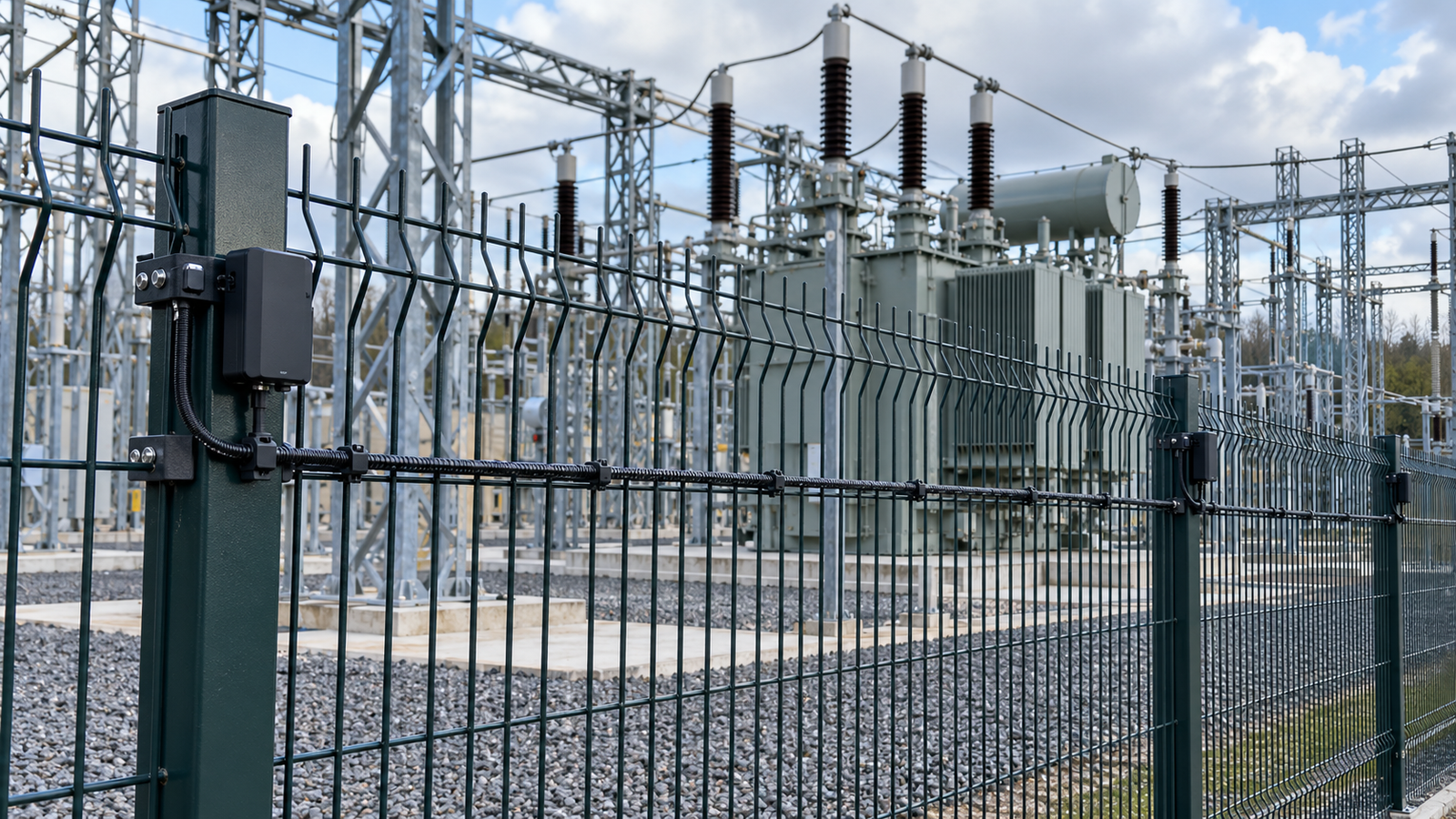
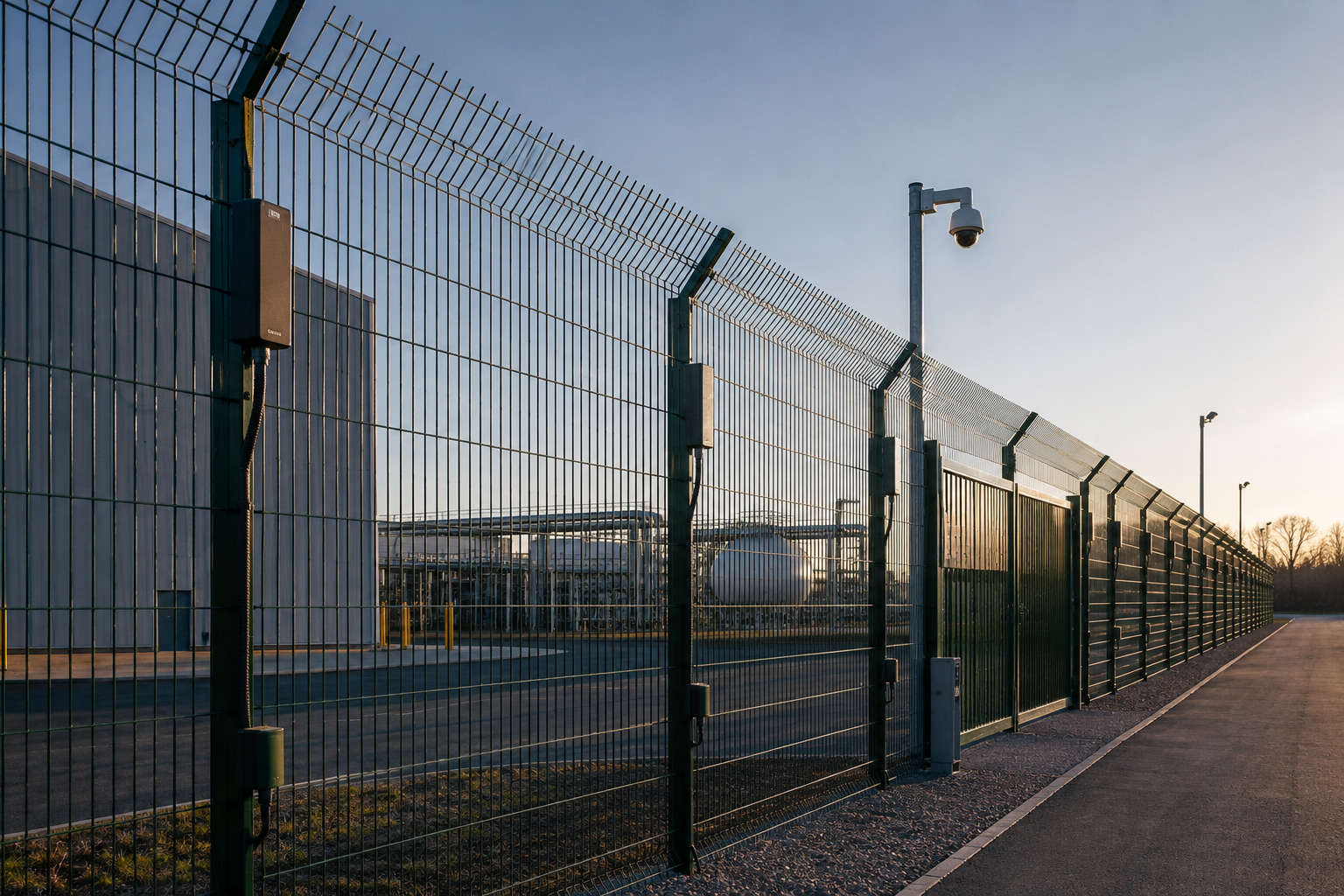
- Vibration and fibre-optic sensors – these attach directly to the fence fabric and detect the specific vibration signature of cutting, climbing or impact. They’re precise, they can pinpoint a breach to within a few metres of fence line, and modern versions are good at telling the difference between an intruder and a gust of wind.
- Taut wire systems – a mechanical tensioned-wire barrier that detects both physical intrusion and attempts to climb over it. These tend to suit the highest-security applications, where reliability under all conditions matters more than anything else.
- Microphonic and point sensors – placed at intervals along a fence, these are well suited to long perimeter runs on industrial sites, offering a cost-effective way to cover a lot of ground without gaps in coverage.
- Combined or layered systems – on higher-value or more complex sites, fence-mounted detection is often paired with CCTV, access control and centralised monitoring, so that an alert doesn’t just sound a siren but also pulls up a live camera feed for a control room operator to assess.
What Actually Separates a Good System from a Bad One
Having installed and maintained these systems for years, the difference between a fence protection setup that works and one that gets switched off in frustration within six months usually comes down to one thing: false alarms.
A system that can’t tell the difference between a person climbing a fence and a fox running past it, or a branch blowing against the wire in a storm, will train your team to ignore its alerts – which defeats the entire purpose. The systems worth investing in are engineered specifically to filter out environmental noise (wind, rain, wildlife) while still catching genuine attempts within seconds.
Beyond false alarm rates, the other things worth checking before you commit:
- Detection accuracy and zone precision – can the system tell a responder exactly where on the perimeter the breach happened, or just that “something” happened somewhere?
- Weather resistance – UK sites deal with a lot of rain, wind and temperature swings; the hardware needs to be built for it.
- Maintenance requirements – some systems need frequent recalibration; others are close to fit-and-forget for years.
- Compliance – for certain sectors, a security-rated fence and detection system need to meet recognised standards (for example, BS 1722-14 for mesh panel fencing on higher-risk sites).
Who Actually Needs This Level of Fence Protection
In our experience, the sites that benefit most from proper fence intrusion detection tend to share a few traits: they’re large, they’re remote or unmanned for parts of the day, or the cost of a breach is high – whether that’s stolen copper cable, damaged equipment, safety risk, or reputational damage from a security failure.
That covers a wide range of sectors we work across day to day: energy and utilities, transport and logistics, government and defence, manufacturing and warehousing, telecommunications and data centres, and general fencing and security applications. A solar farm spread across open rural acres has very different requirements to a data centre with a tight perimeter – which is exactly why tailored design matters more than an off-the-shelf kit.
How to Choose the Right System for Your Site
Rather than starting with a product, start with a site survey. The best fence protection is the one designed around your specific perimeter, risk profile and existing infrastructure – not a generic package sold the same way to everyone.
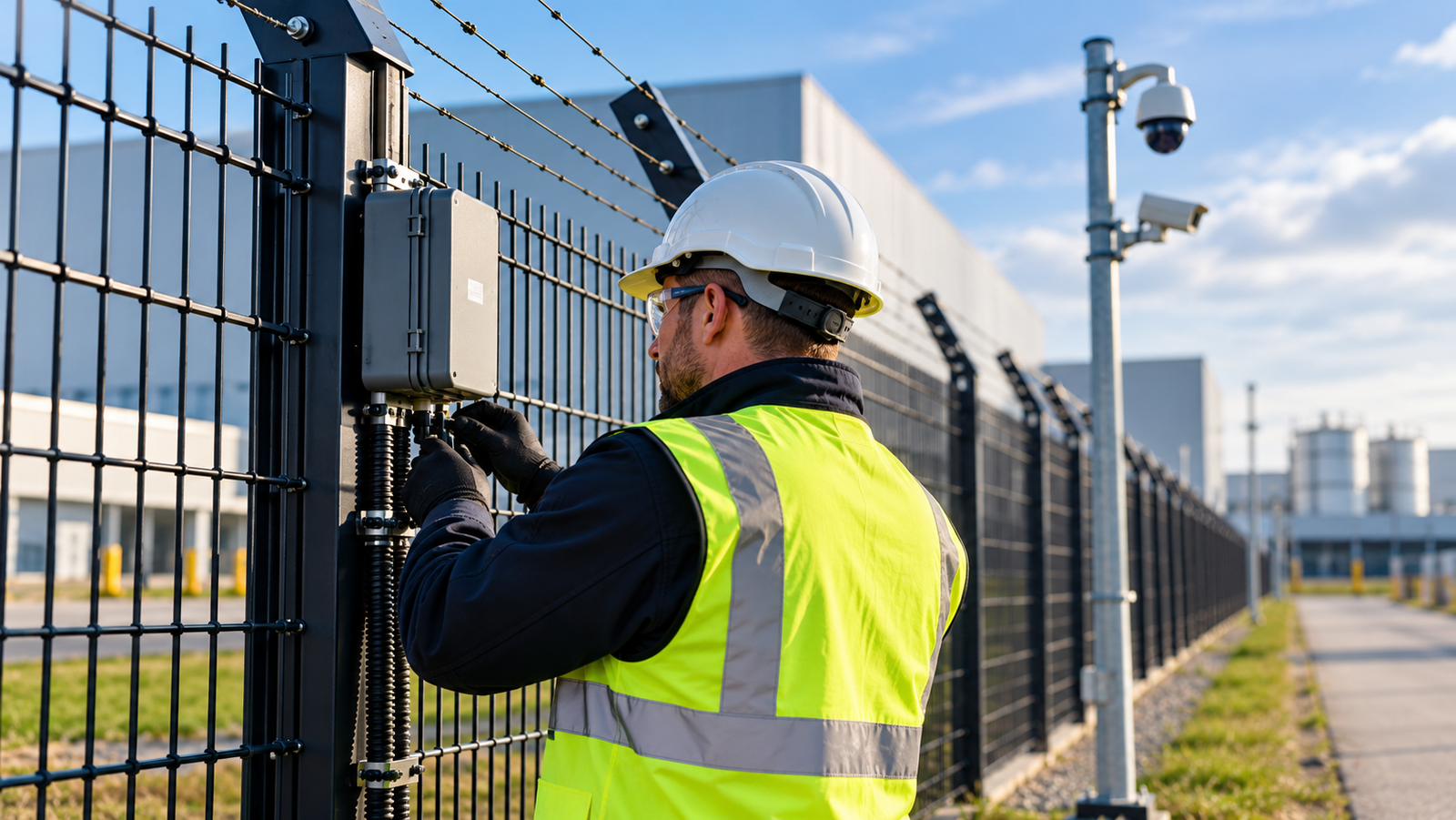
At Sysco Technical Solutions, this is how we approach every project: an initial consultation to understand the site and the risk, a full survey and design phase, then installation, commissioning and – because a system is only as good as its upkeep – ongoing 24/7 maintenance and support. We don’t sell off-the-shelf kits; every fence intrusion detection system we design is built around the site it’s protecting.
Frequently Asked Questions
What is fence protection?
Fence protection refers to technology and systems that turn a physical fence into an active security barrier – detecting attempts to climb, cut, or breach it and triggering an alarm in real time, rather than relying on the fence alone to stop an intruder.
What is the best fence protection for a commercial or industrial site?
There’s no single best system for every site. Vibration and fibre-optic sensors suit long fence runs and industrial facilities, taut wire systems suit the highest-security applications, and combined systems (detection plus CCTV and access control) suit complex or high-value sites. The right choice depends on a proper site survey.
How much does fence intrusion detection cost?
Cost depends on perimeter length, the technology used, and the level of integration with CCTV or access control. Because every site is different, Sysco Tech provides a free consultation and site-specific quote rather than fixed off-the-shelf pricing.
Can fence protection systems tell the difference between an intruder and an animal or the weather?
Yes – modern fence intrusion detection technology is designed to filter out environmental noise such as wind, rain and wildlife, which significantly reduces false alarms compared to older systems.
Does fence protection need to meet any UK standards?
For higher-risk sites, security-rated fencing (ideally LPCB SR1 certified) combined with compliance to standards such as BS 1722-14 for mesh panel fencing is strongly recommended alongside the detection system itself.
How long does a fence protection installation take?
This varies by site size and complexity. Sysco Tech’s process starts with a consultation and survey, followed by a tailored design, supply and installation plan with an estimated timeline provided after the site visit.
The Bottom Line
There’s no universal “best” fence protection system – only the system that’s genuinely right for your site, your budget, and your risk. What matters is choosing detection technology that’s accurate, weather-resistant, low-maintenance, and backed by people who’ll actually survey your perimeter rather than sell you a catalogue item.
If you’re weighing up options for a commercial or industrial site, Sysco Technical Solutions offers a free consultation to talk through what’s realistic for your perimeter. Call 01772 621716 or email enquiries@syscotech.co.uk.