Why Perimeter Protection Matters in Oil & Gas Facilities
Oil and gas facilities face some of the highest security risks of any industrial sector. From unauthorised access and theft to sabotage, environmental risks, and operational disruption, securing the outer boundary of a facility is no longer optional – it is a critical operational requirement.
For operators managing refineries, pipelines, storage depots, offshore support terminals, LNG facilities, or remote extraction sites, effective perimeter protection forms the first line of defence against both physical and operational threats.
Traditional fencing and manned guarding alone are no longer enough. Modern threats demand intelligent, integrated perimeter security systems that detect, verify, and respond to intrusion attempts before a breach escalates into a serious incident.
At Sysco Tech, we understand that oil and gas environments require layered, resilient, and highly reliable physical security strategies built around operational continuity and risk reduction.
The Unique Security Challenges Facing Oil & Gas Facilities
Unlike many commercial or industrial sites, oil and gas facilities operate within highly sensitive, high-consequence environments.
Security failures can result in:
- Operational downtime
- Environmental contamination
- Theft of valuable materials or assets
- Safety risks to staff and contractors
- Regulatory penalties
- Reputational damage
- Targeted attacks on critical infrastructure
Many facilities are also spread across large, remote locations with complex perimeter lines, making them difficult to monitor effectively using conventional security alone.
This is where advanced perimeter intrusion detection systems become essential.
Why Traditional Security Measures Are No Longer Enough
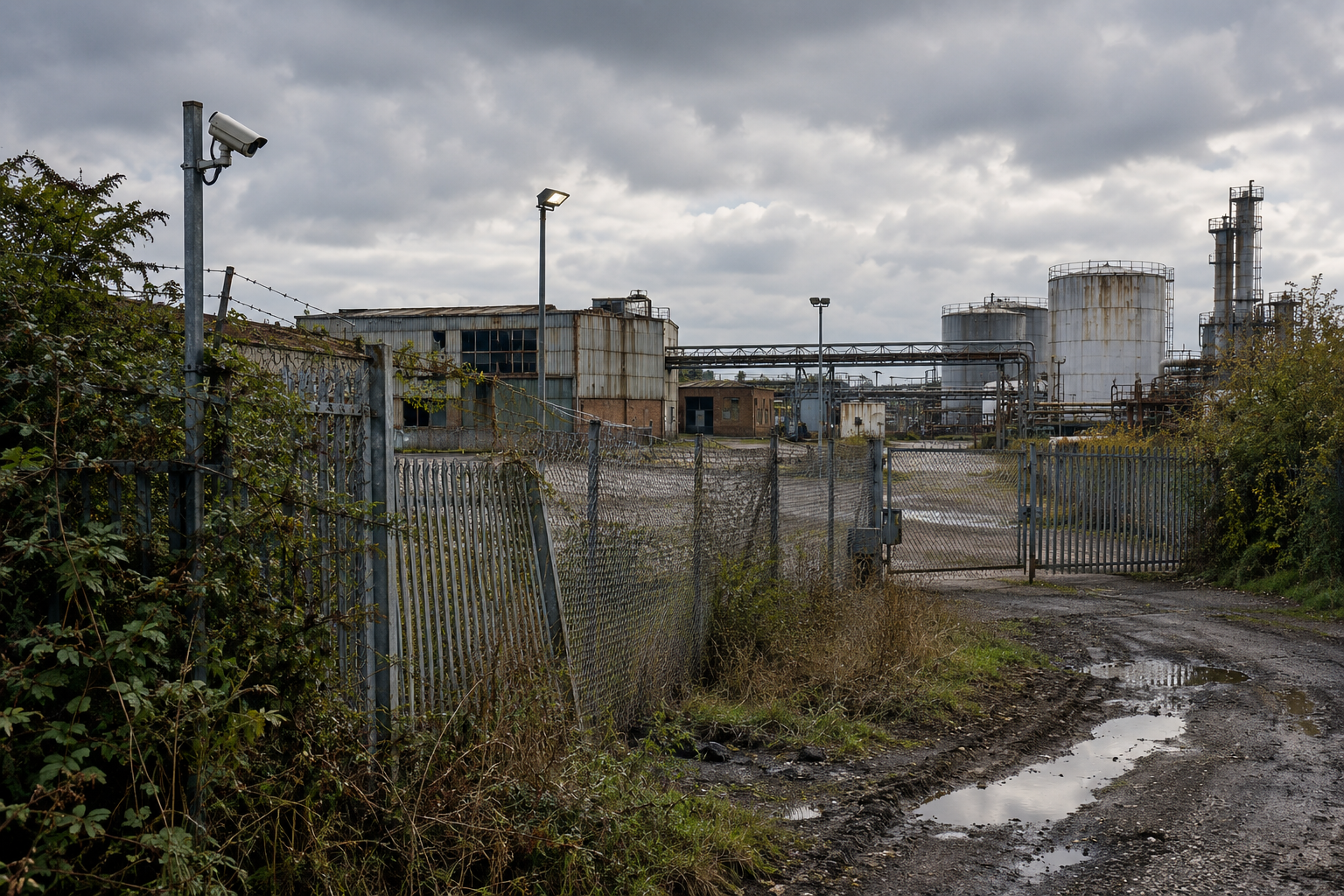
Historically, perimeter security often relied on physical barriers such as fencing, gates, lighting, and CCTV.
While these remain important, relying solely on passive security creates vulnerabilities.
A standard fence only acts as a deterrent. It does not actively detect threats.
By the time an intruder is visible on standard surveillance cameras, they may have already breached the site perimeter.
Modern perimeter intrusion detection systems are designed to identify threats in real time – often before an intruder successfully enters the operational zone.
This proactive approach allows security teams to assess, verify, and respond rapidly.
What Is a Perimeter Intrusion Detection System?
A perimeter intrusion detection system (PIDS) is an advanced security solution designed to detect attempted or actual breaches across a site boundary.
Rather than waiting for an incident to occur, these systems identify suspicious activity along the perimeter and trigger alerts for investigation or immediate intervention.
Common technologies include:
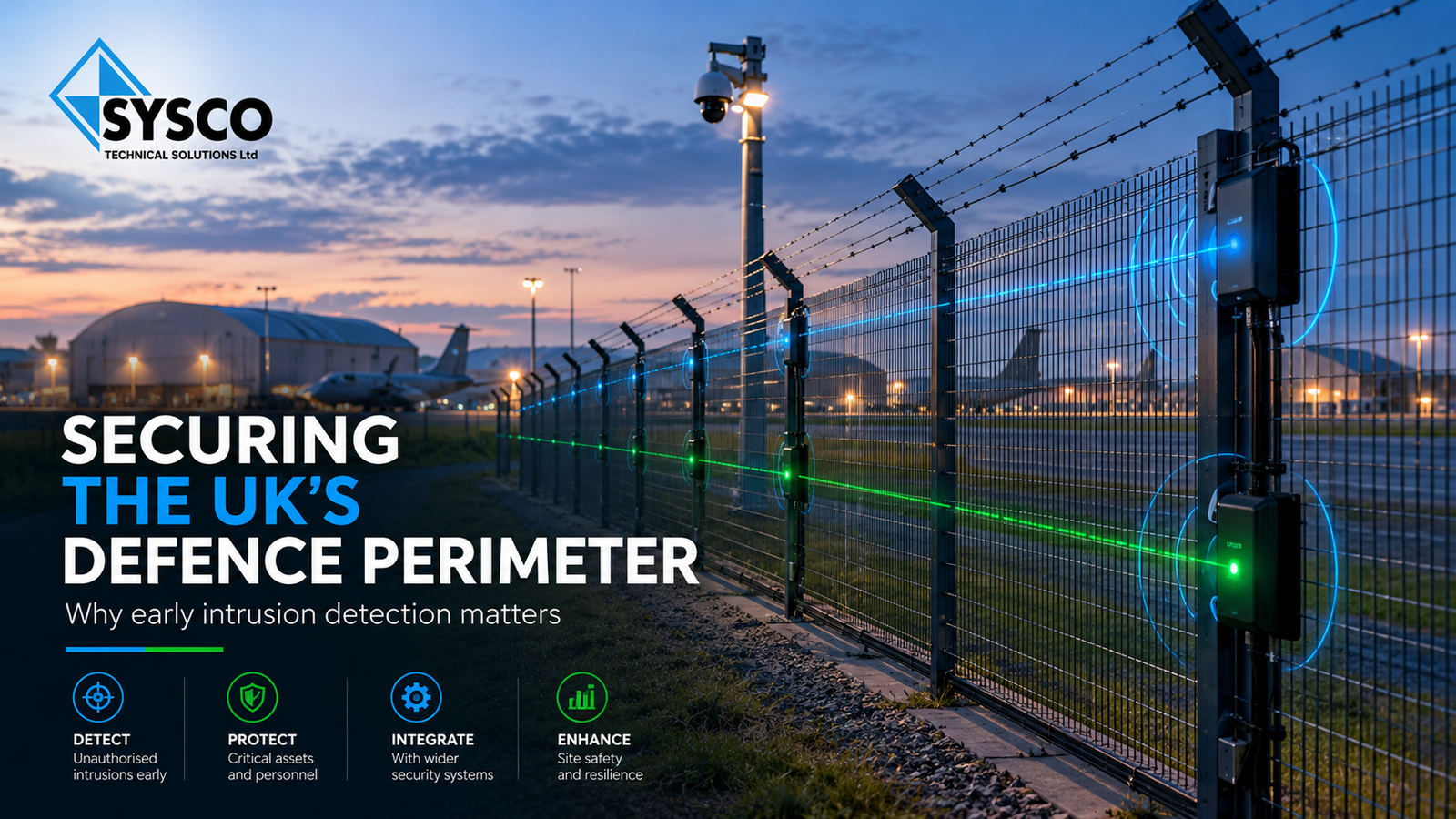
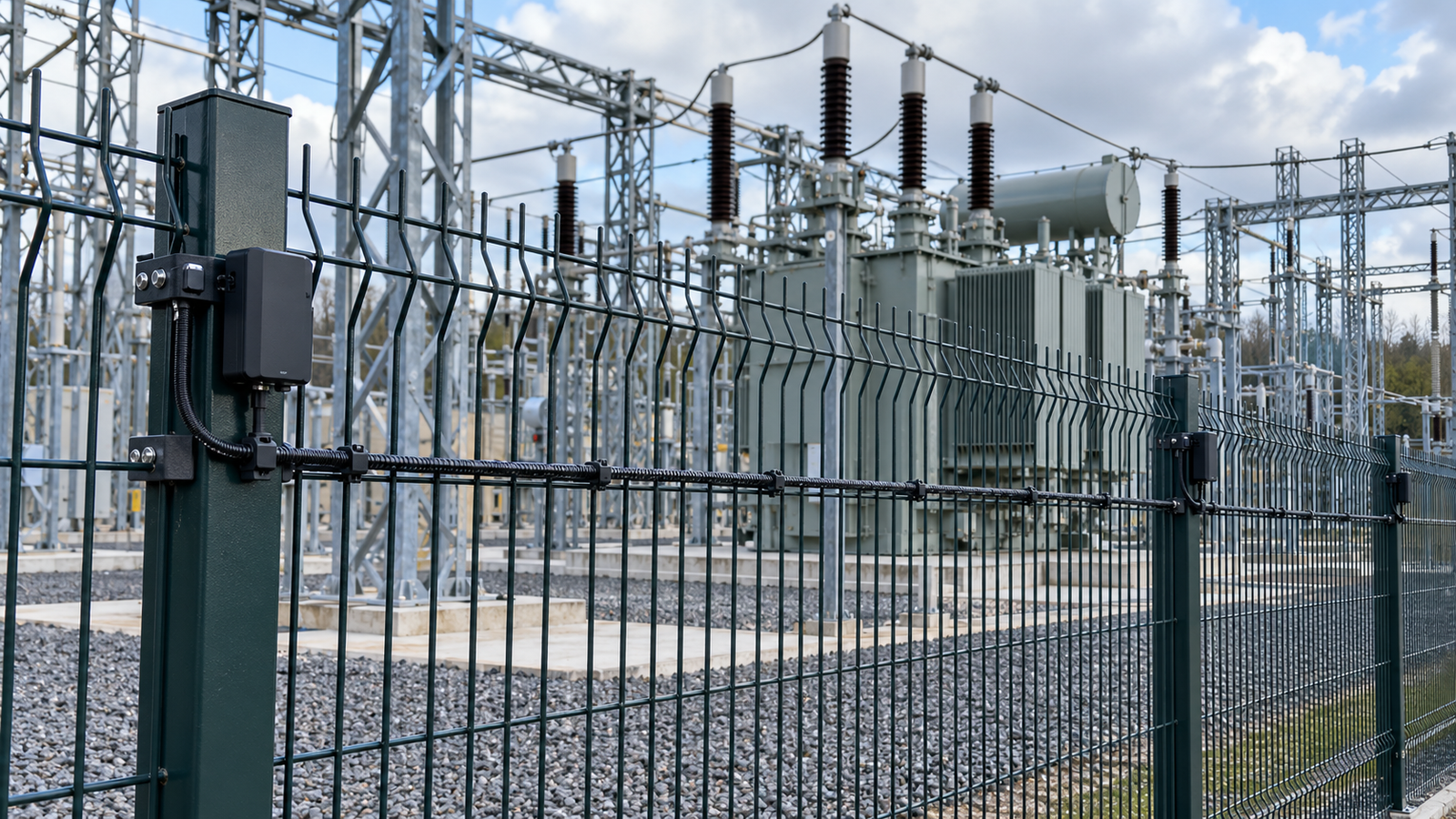
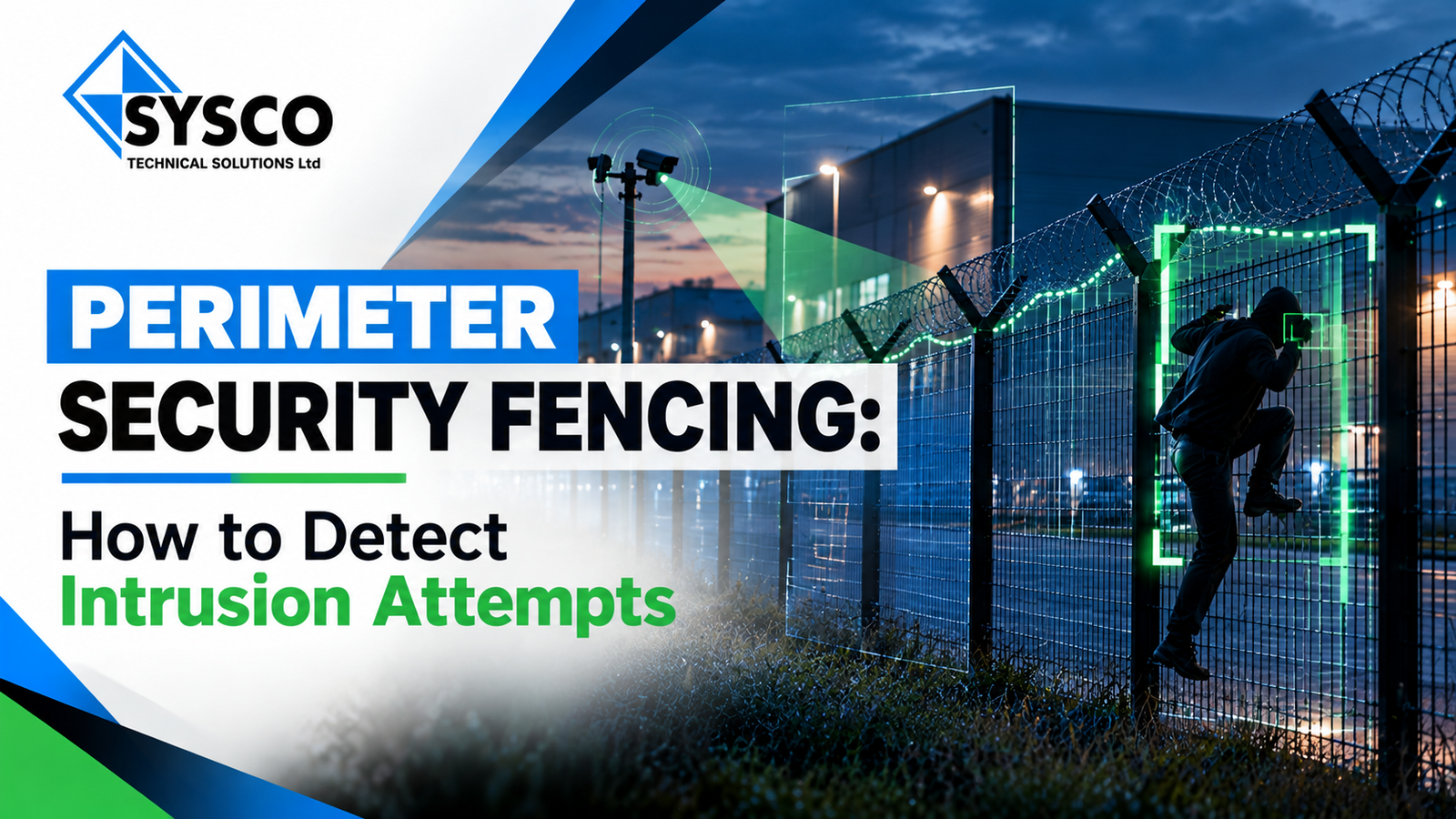
Fence Intrusion Detection
Fence-mounted sensors detect:
- Climbing
- Cutting
- Lifting
- Tampering
- Forced entry attempts
This form of perimeter intrusion detection is especially effective for oil depots, storage terminals, and restricted industrial compounds.
Thermal Imaging Cameras
Thermal cameras detect heat signatures regardless of lighting conditions.
For oil and gas facilities operating 24/7, thermal technology offers major advantages in:
- Low visibility
- Harsh weather
- Remote locations
- Night-time monitoring
Unlike traditional cameras, thermal imaging identifies movement even in complete darkness.
Buried Sensor Systems
Underground cable sensors can detect footsteps, digging activity, and vehicle movement near protected boundaries.
These systems are particularly useful where visual barriers are difficult to maintain.
Intelligent Video Analytics
AI-powered surveillance can distinguish between:
- Humans
- Vehicles
- Wildlife
- Environmental movement
This significantly reduces false alarms – one of the biggest historical problems with older perimeter detection systems.
Key Risks Oil & Gas Facilities Must Defend Against
Theft and Asset Loss
Oil and gas operations often contain valuable:
- Fuel
- Copper cabling
- Equipment
- Vehicles
- Sensitive infrastructure
Criminal activity targeting industrial sites continues to evolve, making perimeter detection increasingly important.
Trespassing and Unauthorised Access
Even accidental trespassing creates major risks in hazardous industrial environments.
Restricted areas containing combustible materials, pipelines, or hazardous processes require robust access protection.
Sabotage and Targeted Threats
Critical infrastructure facilities face growing concerns regarding organised disruption and intentional attacks.
This makes layered perimeter protection products essential for facilities managing national infrastructure or high-value assets.
Environmental and Safety Risks
An unauthorised breach can create safety incidents with potentially severe environmental consequences.
A proactive perimeter intrusion detection system helps operators identify and contain threats before escalation.
What Makes an Effective Perimeter Security System for Oil & Gas Sites?
No single technology provides complete protection.
The most effective perimeter security systems use a layered approach.
1. Physical Barriers
Strong perimeter fencing remains essential.
Security fencing should be designed to resist:
- Climbing
- Cutting
- Vehicle intrusion
- Forced access
Anti-climb mesh fencing and reinforced barriers are commonly deployed across energy facilities.
2. Intelligent Detection Systems
Modern perimeter intrusion detection systems provide early warning capability.
This allows security teams to react before a breach develops.
The earlier a threat is identified, the greater the chance of preventing operational disruption.
3. CCTV Integration
Detection systems become significantly stronger when integrated with monitored surveillance.
Triggered alerts can automatically direct cameras toward affected areas for rapid visual verification.
4. Thermal & AI Analytics
Oil and gas facilities often operate in difficult environments where conventional cameras struggle.
Thermal monitoring combined with intelligent analytics dramatically improves situational awareness.
5. Centralised Monitoring
Security teams require visibility across all systems through a unified platform.
Integrated physical security systems help operators manage incidents faster and reduce blind spots.
Reducing False Alarms: A Major Priority for Industrial Sites
One of the biggest concerns surrounding older perimeter detection systems was false alerts.
Weather, wildlife, vegetation movement, and environmental conditions often triggered unnecessary alarms.
Modern systems now use advanced filtering and analytics to distinguish between genuine threats and harmless activity.
This reduces:
- Alarm fatigue
- Unnecessary callouts
- Monitoring costs
- Operational disruption
For oil and gas facilities, accuracy is just as important as detection speed.
Compliance, Safety & Critical Infrastructure Protection
Oil and gas facilities are often subject to strict operational, insurance, and regulatory expectations.
A robust perimeter protection strategy supports:
- Risk mitigation
- Health and safety objectives
- Asset resilience
- Site security compliance
- Business continuity planning
Security is no longer simply about preventing theft – it plays a key role in protecting people, infrastructure, and operational uptime.
Why Bespoke Security Design Matters
Every oil and gas site is different.
A refinery faces different threats compared to a remote pipeline, LNG terminal, or storage facility.
Factors influencing system design include:
- Site size
- Terrain
- Environmental conditions
- Existing infrastructure
- Risk profile
- Operational sensitivity
- Access points
For this reason, off-the-shelf solutions rarely provide sufficient protection.
At Sysco Tech, perimeter security is approached strategically – designing intelligent, integrated solutions based on site-specific risks and operational requirements.
Future Trends in Oil & Gas Perimeter Security
The industry continues to evolve rapidly.
In 2026, leading oil and gas operators are increasingly investing in:
- AI-driven threat analytics
- Thermal perimeter monitoring
- Smart fence intrusion detection
- Remote monitoring technologies
- Integrated command systems
- Predictive threat intelligence
Facilities are moving away from reactive security models toward proactive, intelligence-led protection.
This shift is helping organisations reduce vulnerabilities while improving operational resilience.
FAQ’s About Perimeter Protection for Oil & Gas Facilities
What is the best perimeter security system for oil and gas facilities?
The best perimeter security system for oil and gas facilities depends on site size, operational risks, and environmental conditions. Most high-risk sites benefit from a layered approach that combines security fencing, CCTV, thermal imaging, and a perimeter intrusion detection system to detect and respond to threats in real time.
For large or remote facilities, integrated perimeter intrusion detection systems provide early threat visibility and help reduce response times.
Why is perimeter protection important for oil and gas facilities?
Perimeter protection is essential because oil and gas facilities contain high-value assets, hazardous materials, and critical infrastructure. Security breaches can lead to theft, operational downtime, environmental damage, safety risks, and compliance concerns.
Modern perimeter protection products help prevent unauthorised access and strengthen overall site resilience.
What is a perimeter intrusion detection system?
A perimeter intrusion detection system (PIDS) is a security solution designed to identify attempted breaches at a facility boundary.
These systems can detect activities such as fence climbing, cutting, tampering, digging, or unauthorised movement near restricted areas. Many modern perimeter intrusion detection systems integrate with CCTV and analytics software for faster incident verification.
How do perimeter intrusion detection systems work?
Perimeter intrusion detection systems work by using sensors, cameras, analytics, or intelligent detection technology to monitor a site’s outer boundary.
Depending on the system, alerts may be triggered by:
- Fence vibration or tampering
- Thermal movement detection
- Ground disturbance
- Vehicle approach detection
- Suspicious activity identified by AI-powered surveillance
The goal is to stop threats before they reach sensitive operational areas.
What are the biggest security risks for oil and gas facilities?
Common risks include:
- Trespassing
- Theft of equipment or materials
- Sabotage
- Copper theft
- Vehicle intrusion
- Unauthorised access to hazardous zones
Advanced perimeter detection systems help identify threats early and improve response times.
Can perimeter security systems reduce false alarms?
Yes. Modern perimeter security systems use AI analytics, thermal imaging, and intelligent filtering to distinguish between genuine threats and harmless activity such as wildlife, weather, or moving vegetation.
Reducing false alarms is particularly important for oil and gas sites operating across large outdoor environments..
How much does perimeter security for an oil and gas facility cost?
The cost of perimeter security systems varies based on:
- Site size
- Number of access points
- Security risks
- Terrain complexity
- Technology requirements
- Monitoring integrations
High-risk facilities usually require bespoke security designs rather than standard off-the-shelf solutions.
What is the difference between perimeter protection and perimeter intrusion detection?
- Perimeter protection refers to the complete strategy used to secure a site boundary, including fencing, surveillance, barriers, and monitoring.
- Perimeter intrusion detection specifically focuses on identifying attempted breaches or suspicious activity at the perimeter before unauthorised access occurs.
In most oil and gas facilities, both work together as part of a comprehensive physical security system.
Final Thoughts
Oil and gas facilities face unique security challenges that demand more than traditional fencing and cameras.
A modern perimeter intrusion detection system enables organisations to detect threats earlier, reduce risks, improve response times, and protect critical operations.
For operators responsible for safeguarding high-value industrial environments, investing in intelligent perimeter protection is no longer a future consideration – it is an operational necessity.
Whether protecting storage terminals, refineries, pipelines, or energy infrastructure, the right combination of perimeter security systems, surveillance, analytics, and physical barriers can dramatically strengthen site resilience.
Protect Your Oil & Gas Facility with Sysco Tech
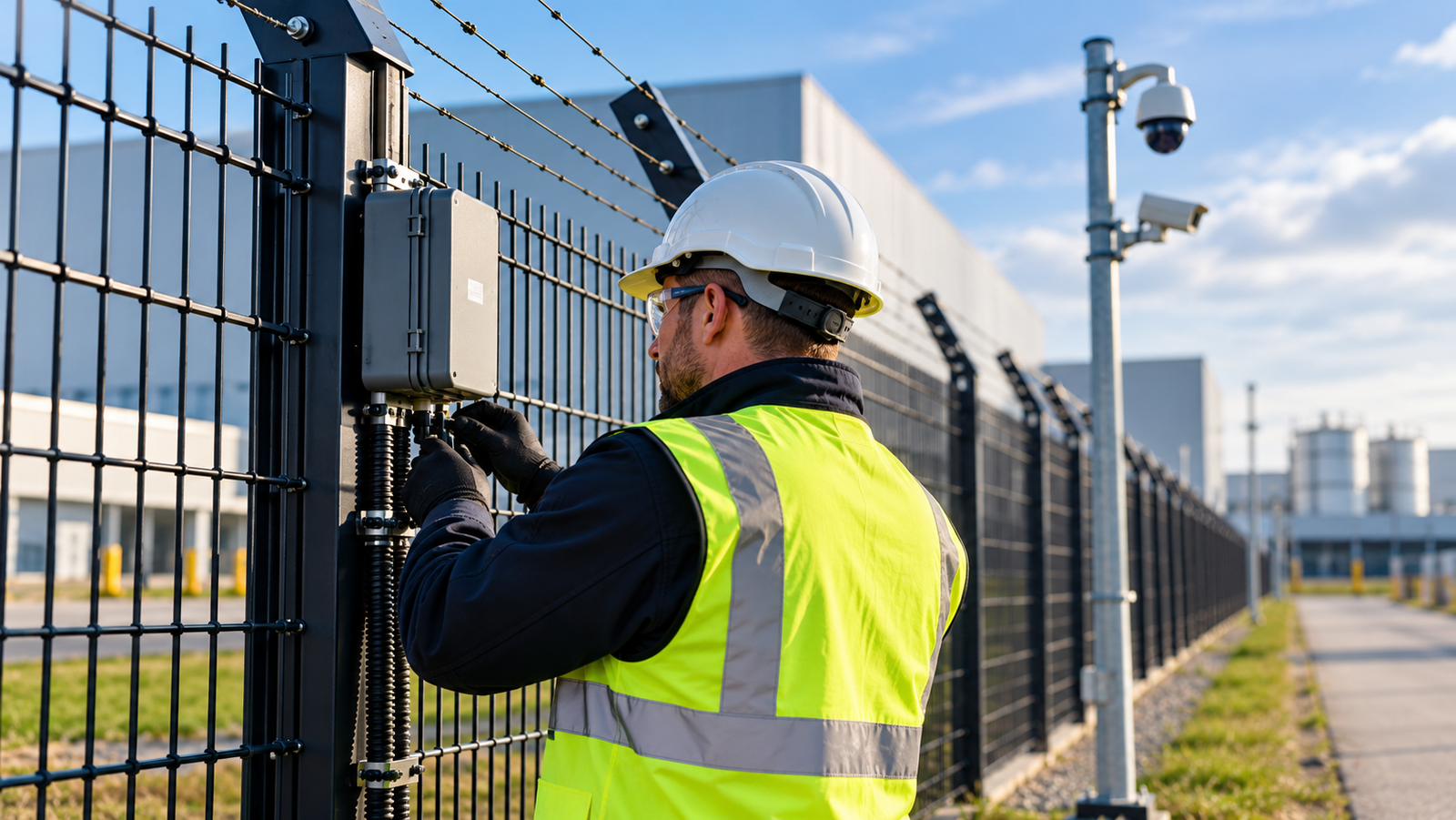
Sysco Tech delivers advanced, integrated perimeter protection systems designed for complex and high-risk environments.
From intelligent perimeter intrusion detection systems to fully integrated physical security systems, our solutions are tailored to protect critical infrastructure, minimise risk, and support operational continuity.
Contact Sysco Tech today to discuss a bespoke perimeter security strategy for your facility.