
Perimeter security isn’t a one-size-fits-all decision, and knowing where a Perimeter Intrusion Detection System (PIDS) actually earns its place is just as important as knowing how one works. A PIDS system is designed to detect unauthorised access attempts at the outer boundary of a site – before an intruder reaches a building, asset, or restricted area – giving security teams the earliest possible warning. But not every site needs the same type of system, and understanding where PIDS delivers the most value helps decision-makers invest in the right level of protection rather than over- or under-specifying it.
What a PIDS System Actually Does
Before looking at where it belongs, it’s worth being clear on what a PIDS security solution is built to achieve. Rather than relying solely on cameras or manned patrols to spot an intrusion after it’s already happened, PIDS is designed to detect an intrusion attempt at the perimeter itself – on a fence line, buried cable, wall, or other boundary structure – and trigger an alert in real time. This shifts the response from reactive to proactive, giving security personnel time to assess and respond before someone reaches a critical area.
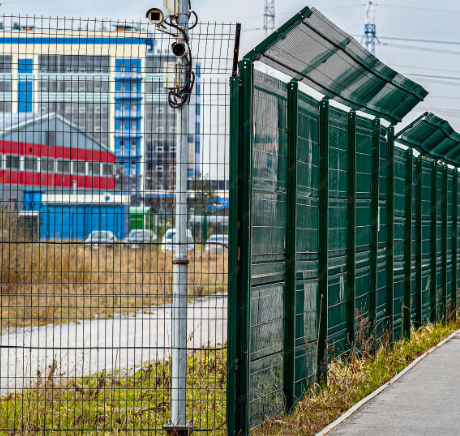
Different detection technologies suit different environments. Fence-mounted sensors pick up vibration or movement caused by climbing or cutting; buried cable systems detect pressure or movement in the ground around a perimeter; and dedicated products such as Sysco Technical Solutions’ Eco Line, Single Point 3D, Neoline Accelerometers, and Flex Line each address specific site conditions, from industrial facility perimeters to high-security sites needing exceptional detection reliability.
High-Security and Critical National Infrastructure
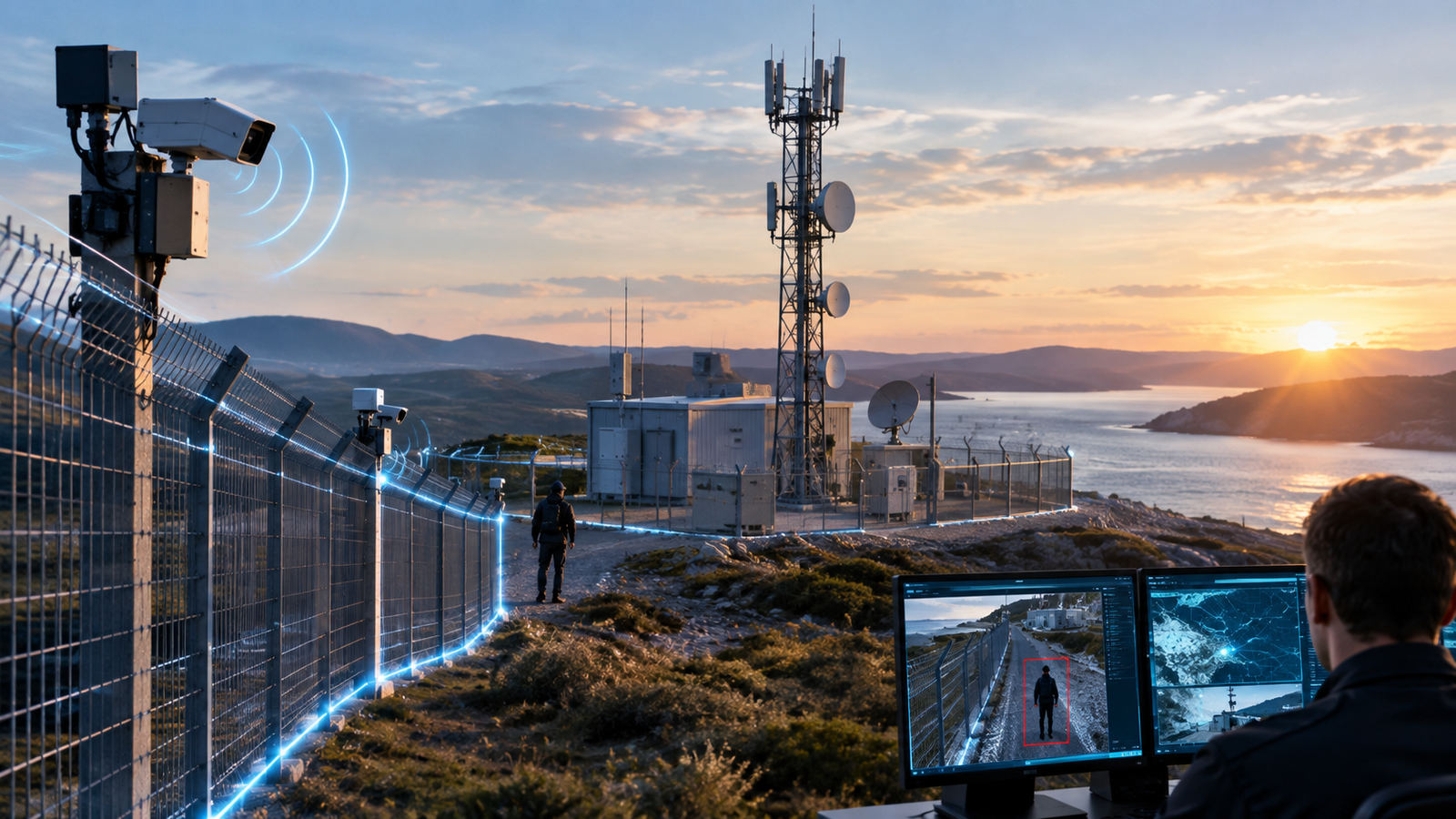
The most obvious place for PIDS UK deployments is critical national infrastructure – power stations, substations, water treatment facilities, and telecoms infrastructure. These sites often can’t rely on a security guard walking a boundary fence every few hours, because the consequences of even a brief, undetected breach can be severe, ranging from equipment sabotage to service disruption affecting the wider public. A properly specified PIDS gives these sites continuous, real-time perimeter awareness rather than periodic checks.
Industrial and Manufacturing Facilities
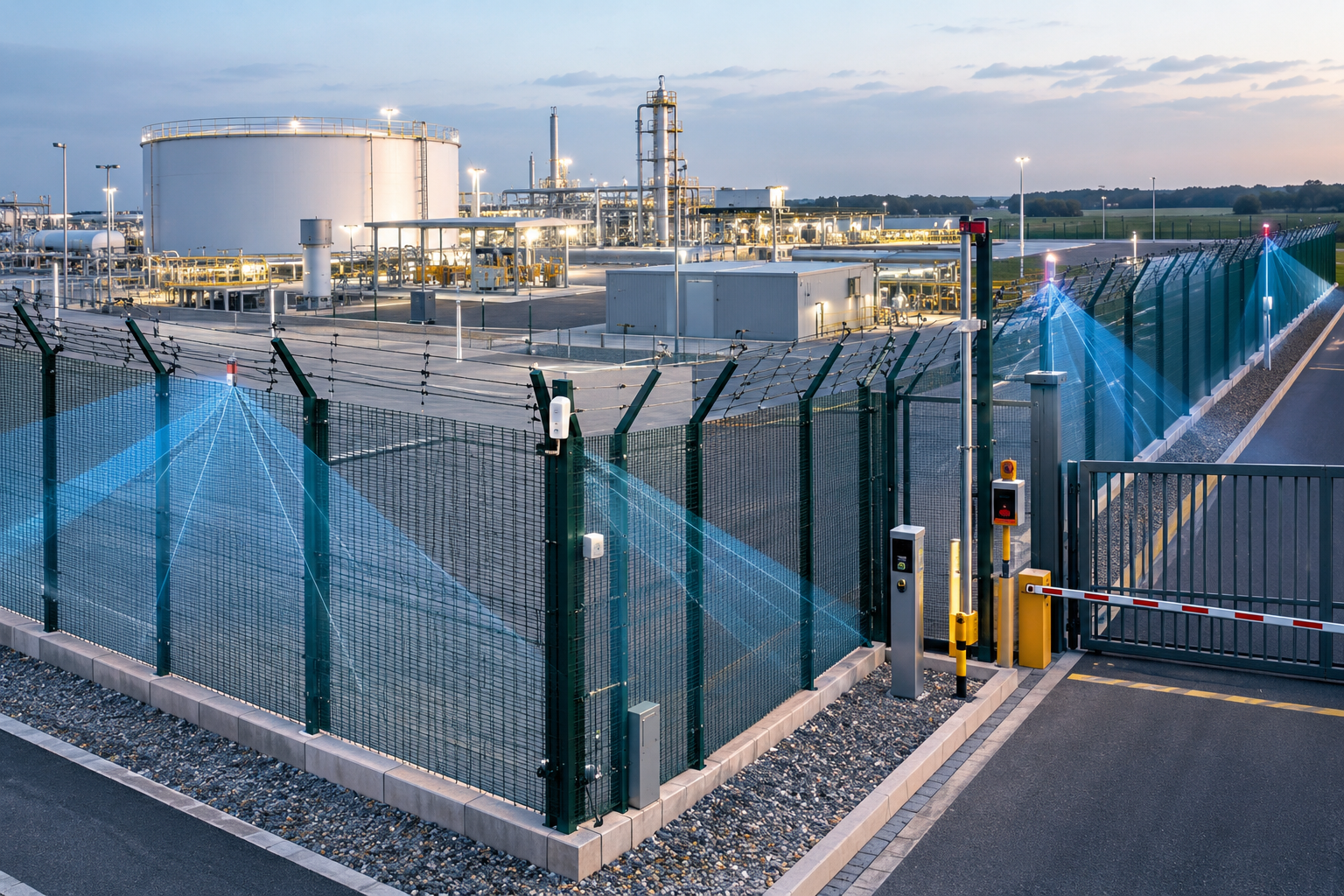
Large industrial sites present a different challenge: sprawling perimeters, multiple access points, and valuable equipment, stock, or materials on-site. Sysco’s Eco Line, for example, is specifically suited to effective perimeter protection for industrial facilities, using sensor technology designed to cover long fence lines cost-effectively. For manufacturing and industrial operators, the goal is usually less about defending against a single high-value target and more about protecting the whole boundary of a large, often irregularly shaped site without needing constant manual patrols.
Data Centres and High-Security Commercial Sites
Data centres sit in an unusual category: relatively small physical footprints, but extremely high consequences if perimeter security fails. A breach isn’t just a physical security incident – it can become a data security incident too. Sites like this typically benefit from systems built for exceptional operational and detection reliability, which is where products like Flex Line come in, designed specifically for high-security systems where false alarms and missed detections both carry real cost.
Government, Defence, and Prisons
Sites with the highest security classifications – government buildings, defence establishments, and correctional facilities – represent the far end of the PIDS spectrum. Here, layered perimeter security is standard practice: a PIDS system rarely stands alone, but works alongside fencing, lighting, CCTV, and access control as part of a coordinated approach. A tensioning wire system such as Sysco’s Protective Fence, which detects both intrusion attempts and attempts to climb over mechanical barriers, is a good example of a solution built for this level of layered, high-consequence security.
Utilities and Remote or Unmanned Sites
Utility sites – substations, pumping stations, remote compounds – often share a common problem: they’re unmanned for long periods and can be geographically isolated. A break-in at a remote site might go unnoticed for hours without a detection system in place. For these locations, PIDS becomes less about deterring a determined, sophisticated intruder and more about simply ensuring that any unauthorised access is flagged immediately, wherever the site happens to be, and however infrequently it’s staffed.
Ports, Logistics, and Distribution Sites
Large logistics and distribution sites face a mix of concerns: theft of goods, unauthorised vehicle access, and perimeter breaches across sites that can stretch for hundreds of metres. These environments often benefit from a mixed approach – different detection technologies covering different sections of the perimeter, based on terrain, fencing type, and risk level at each point, rather than a single uniform solution across the whole boundary.
Commercial Premises with Elevated Risk
Not every business needs a full PIDS deployment, but certain commercial premises – those holding high-value stock, sensitive data, or operating in higher-crime areas – can benefit significantly from perimeter detection even at a smaller scale. Solutions like Single Point 3D are designed for exactly this kind of scenario: cost-effective protection for smaller systems, whether installed discreetly or directly on an external structure, without requiring the scale of infrastructure needed for a large industrial or government site.
Matching the System to the Site
The common thread across all these environments is that perimeter security UK requirements vary enormously depending on site size, risk profile, and consequence of failure. A system built for a small commercial premises isn’t the right fit for a data centre, and a solution designed for a sprawling industrial perimeter would be overkill – or simply impractical – for a compact urban site. This is why a proper site survey and design process matters as much as the technology itself: PIDS specification should always follow site risk assessment, not the other way around.
Sysco Technical Solutions approaches this by offering a full design, installation, and commissioning service, paired with 24/7 aftersales maintenance and support – recognising that a PIDS system is only as effective as its ongoing monitoring and upkeep. Systems can also be monitored remotely, giving security teams visibility of perimeter status without needing to be physically on-site.
FAQs: PIDS Systems and Perimeter Security
What is a PIDS system?
A Perimeter Intrusion Detection System (PIDS) detects unauthorised access attempts at the outer boundary of a site – such as a fence line or perimeter wall – and triggers a real-time alert before an intruder reaches a building or restricted area.
Where is a PIDS system most commonly used?
PIDS is typically used at critical national infrastructure, industrial and manufacturing facilities, data centres, government and defence sites, prisons, utilities, logistics sites, and commercial premises with elevated security risk.
Does every business need a PIDS system?
No. PIDS is most valuable where the consequences of an undetected breach are severe, such as sites with high-value assets, sensitive data, critical operations, or long stretches of unmanned perimeter. Lower-risk commercial premises may not need the same scale of protection.
What’s the difference between fence-mounted and buried cable PIDS?
Fence-mounted systems detect vibration or movement caused by climbing or cutting a fence, while buried cable systems detect pressure or movement in the ground around a perimeter. The right choice depends on the site’s terrain, existing boundary structure, and risk level.
Can PIDS be used on remote or unmanned sites?
Yes. PIDS is particularly useful for remote or unmanned locations, such as substations or pumping stations, where a breach might otherwise go unnoticed for hours without continuous detection in place.
Does a PIDS system replace CCTV or security guards?
No. PIDS typically works alongside CCTV, lighting, and access control as part of a layered security approach, particularly at high-security sites like government buildings, defence establishments, and prisons.
Can PIDS systems be monitored remotely?
Yes. Many PIDS systems, including those installed by Sysco Technical Solutions, can be monitored remotely, giving security teams visibility of perimeter status without needing staff physically on-site.
How is the right PIDS system chosen for a site?
Selection should follow a proper site survey and risk assessment, taking into account site size, terrain, boundary type, and the consequences of a potential breach – rather than applying the same solution across every site.
Does a PIDS system need ongoing maintenance?
Yes. A PIDS system is only as effective as its ongoing monitoring and upkeep, which is why installation is typically paired with aftersales maintenance and support to keep detection reliable over time.