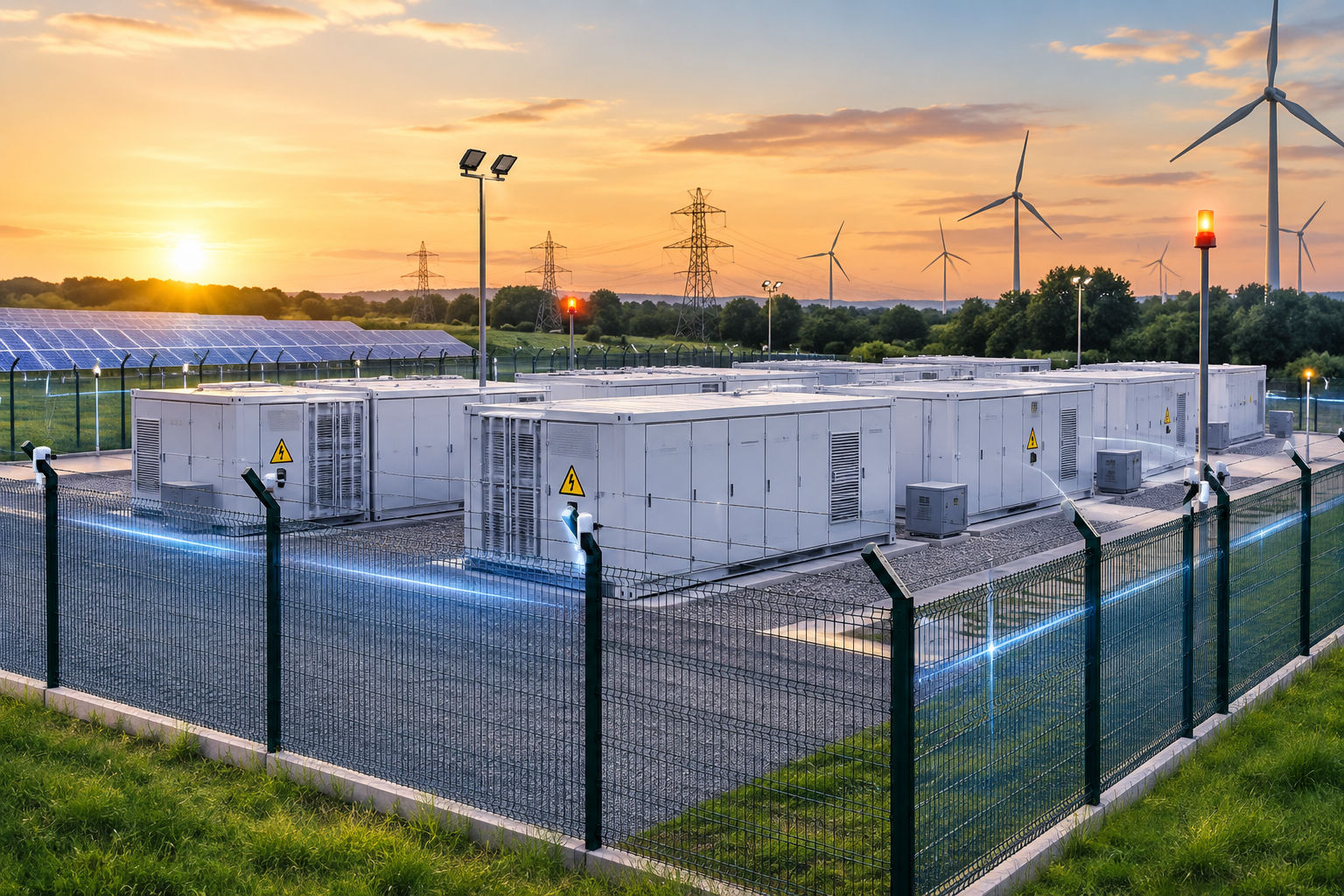
Cyber threats dominate the debate on security today, particularly in the context of cyber threats. However, without physical security, the most important aspect of digital security cannot be maintained. Physical security forms a layer of protection that guards individuals and employees, as well as assets and important infrastructure, against theft, vandalism, or terrorism, among other actual threats.
Physical Security Systems
It is worth noting that physical security encompasses not only the safety of physical objects like furniture, equipment, and tools, but also the safety of common spaces, visitors, and the transport of items.
Basic Knowledge of Physical Security
It is important to note that physical security applies not only to the security of physical objects such as furniture, equipment, and tools, but also extends to the security of common use areas, guests and the transportation of goods.
Physical security Systems refer to strategic processes and systems, which are set up to deter unauthorised use and other valuable assets. Physical security deals with real risks in the environment, unlike cybersecurity, which faces digital threats, through gateway and surveillance methods, as well as access and control and professional overheads.
The physical security plan should be developed to ensure that early detection of risks results in the elimination of the risks within a short duration, and neutralisation of the resulting consequences is realised to enable organisations to continue operations with minimal disturbance.
Fundamental Pervasive Components of Physical Security
Perimeter Security Systems
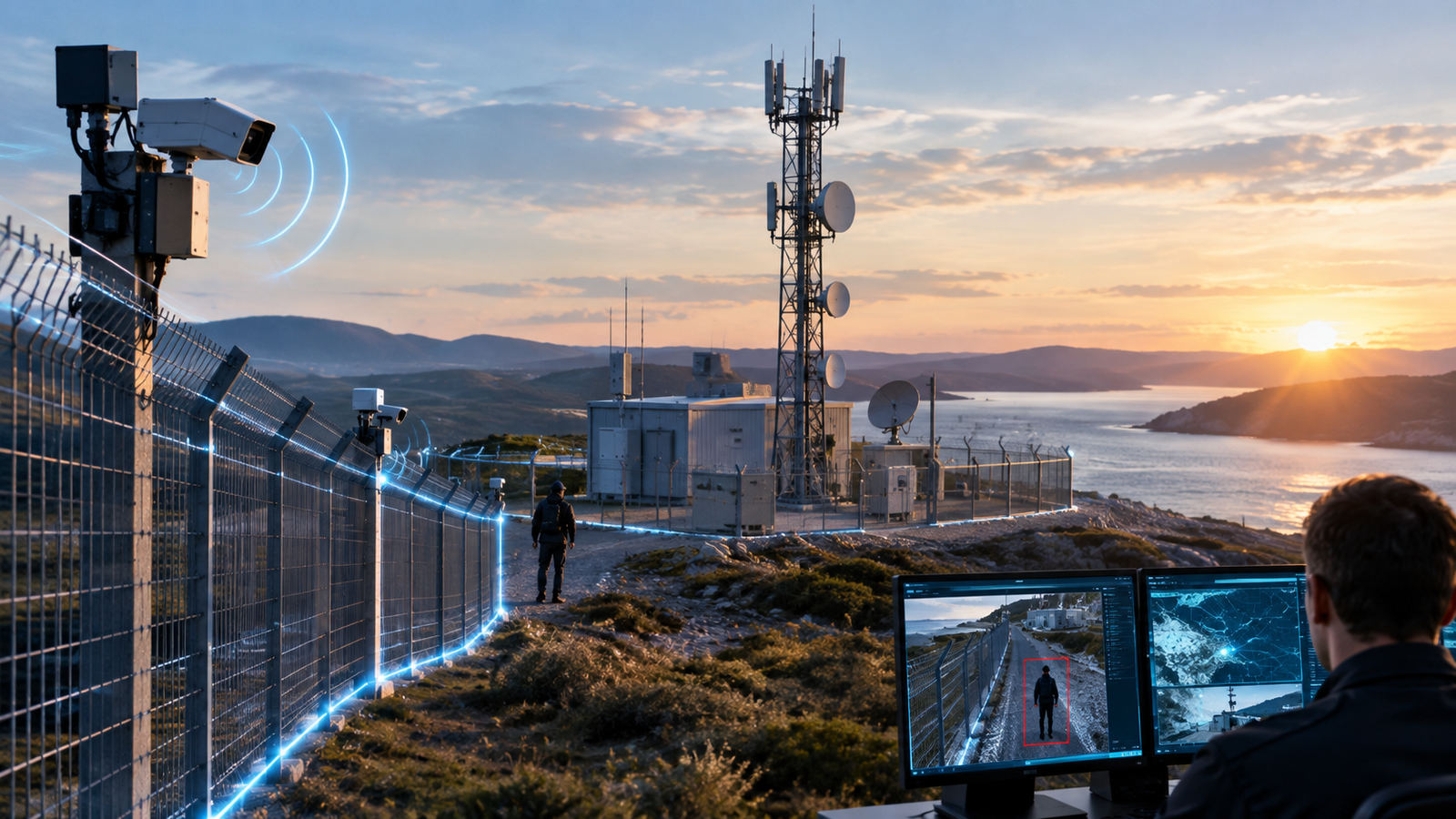
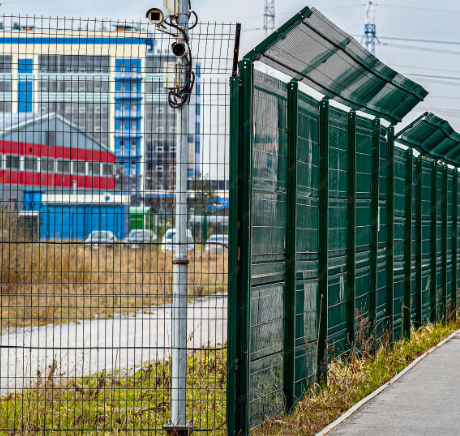
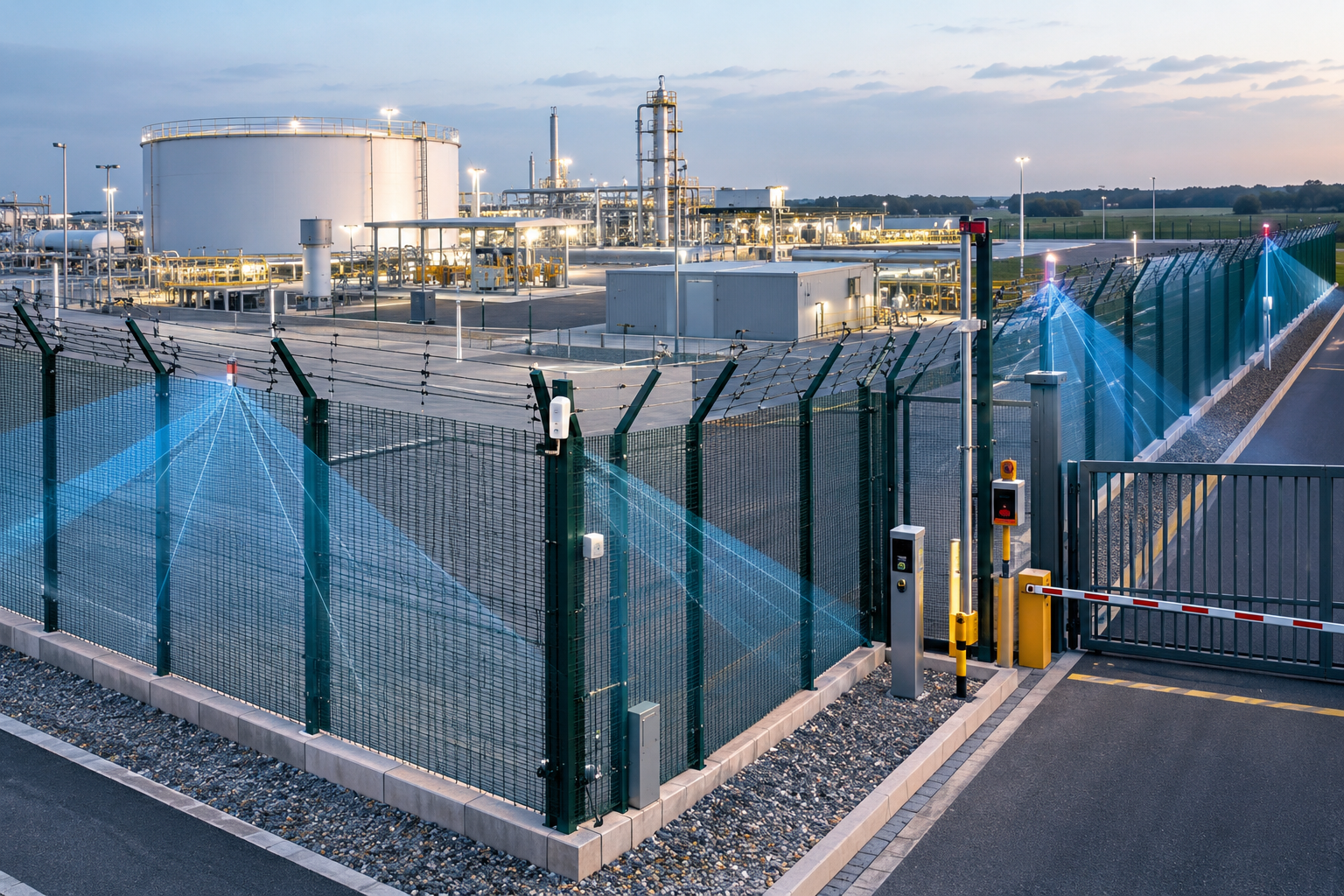
The initial line of defence is at the Perimeter Intrusion Detection, Motion sensors, and intrusion barriers keep intruders off sensitive places. Detection of tampering, even at a mild level, can be achieved with the introduction of new technologies: fibre-optic and vibration sensors.
In the Perimeter Security Systems of SyscoTech, the solutions will identify the threats, prevent and slow down the threat, thereby making sure that the protection approach occurs before the intruders get into the grounds.
Access Control
Locking does not give an opportunity to shoplift or sabotage. Biometric readers, RFID cards and PIN access systems are the ones where an authorised person enters into a secure zone.
Surveillance and monitoring.
Algorithms and AI used with CCTV cameras, thermal imaging, and analytics act as powerful deterrents and deliver meaningful insights. Advanced video systems make this possible by providing real-time alerts and automatically detecting suspicious behaviour.
Physical Barriers
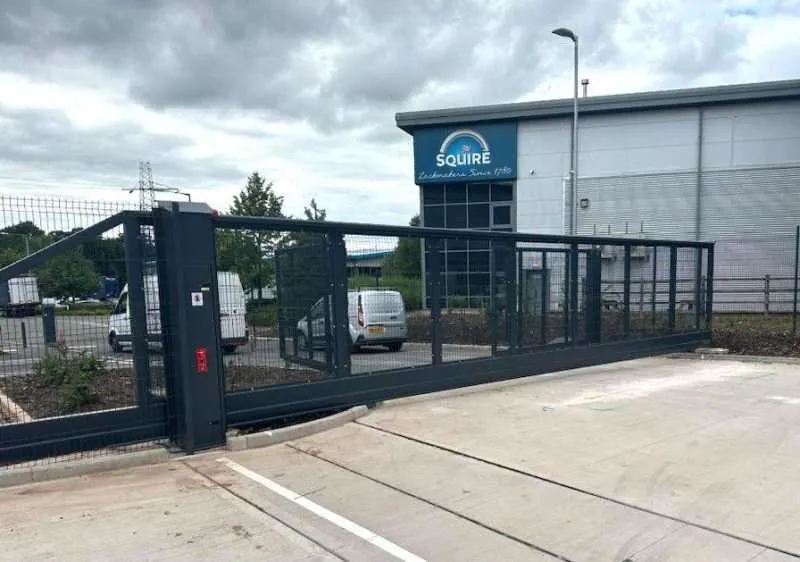
Bollards and hardened doors, shatterproof glass. Barriers introduce delay factors, as security teams can make a response, such that an incident does not get out of control.
Security Personnel
The vigilance of a human is a vital part of security. Professional guards help in executing fast judgments, handling incidents and intimidating potential violators.
Alarms and Detection Systems Advantage
Detects and signals dangerous situations before they lead to accidents.
Why Physical Security Matters
Protecting People First
The ultimate goal of physical security is to safeguard human life. The visitors and employees rely on the secure working and visiting surroundings.
Deterrence of Unauthorised Access
Important areas, including computer data centres, warehouses and server rooms ,should be secure. Secure systems bar intruders and opportunists.
Protection of Assets and Maximally
Unless the trail is provided by extremely large and valuable properties, businesses rely on assets such as inventory, technology or intellectual property. The physical protection precludes financial and operational losses, and losing the reputation.
Adherence to Regulations
Several industries, including health, finance, and military sectors, face tough regulatory demands.. Compliance with security standards is not only a good practice, but it is often a legal requirement.
Developing trust amongst employees.
It strengthens the corporate culture by fostering trust, motivation, and the employee’s productive work in a safe environment.
The Rules Cause Fear of Violence.
There are some rigid requirements of regulations in the industry, like the medical, financial and defence industries. This is because, as far as security standards are concerned, not only is it good, but it can be a legal requirement.
1. Creating Confidence in the Employee.
A safe working environment increases employee confidence, morale and employee output, forming a more robust workplace atmosphere.
Contemporary Economic Threats in Physical Security.
Incorporation with Cybersecurity: Hackage into the physical systems can reveal the digital networks.
Insider Threats: Employees who are given access can also cause major threats; thus, the company should have effective monitoring and accountability measures.
Advanced Intrusion Techniques: Drones, electronic intrusion and advanced tools are being employed by criminals, which requires more intelligent protection.
Scalability and Cost: A normal issue faced by businesses is balancing between a high level of protection and low costs.
In-depth Advice on Construction of Excellent Physical Security.
Multi-tiered Protection – Defect and application Layered protection is a combination of perimeter systems, surveillance and access control that develops overlapping defences offering resilience to susceptibility.
Risk Assessments – Frequent surveys will be used in order to pinpoint emerging risks and revise the strategies.
Smart Integration– The effective link-up of AI-based analytics, IoT downloads, and cloud observation promotes detection and fast response.
Staff Training – Properly trained staff and guards can understand how to act in the event of an emergency, so that there can be adherence to safety measures.
Manufacturing and Upgrades -Security systems should be regularly upgraded to keep pace with the changing threats.
Perimeter security plays a critical role, and therefore, it can be defined through multiple aspects.
The perimeter systems are the basis of physical protection. At SyscoTech, superior technologies, including fibre-optic sensors, FlexSecure sensor fibre, and EcoPoint detection systems, enable accurate tracking and prior detection. The technologies reduce false alarms and optimise the response accuracy.
A combination of such solutions with the Fence Intrusion Detection Systems can make sure that all areas are covered before attacks develop.
Tuned Solutions to Each Site.
- No two facilities are alike. A bespoke risk assessment focuses on matters like location, layout, and operational requirements. For instance:
- Remote Utility Sites also have long-distance point sensors, which identify disruption within a large territory.
- Surveillance in Logistics Hubs and warehouses is provided by sensor cables with complete protection considerations.
- Defence Facilities Government Mission Army organisations use SP3D point sensors in the most sensitive, highly classified workplaces.
- The consultative model at SyscoTech provides very accurate and cost-efficient solutions to specific security profiles of each client.
Support, Maintenance, and Scalability.
The Physical Security System cannot be installed once and then forgotten; rather, it ought to be supported continuously, checked and changed. SyscoTech will also offer long-term contract maintenance, firmware updates, and system calibration to ensure long-term reliability. Using modular designs, it is easy to expand, and clients can increase their defences as threats increase.
Conclusion
A physical security system does not merely refer to gates and guards; it is a strategic need for all businesses. The integration of perimeter defence and surveillance. Access control and human expertise will give organisations a multi-layered defence to take measures against the current complex risks of today.
By obtaining the innovative, robust, and scalable protection of the industry pioneers, like the security systems in SyscoTech, which are based on the specific needs of a particular business. Physical security does not only involve securing property alone, but it also involves securing individuals, business continuity, and securing the future.
If you want to explore related security topics, you can check out the following guides: