
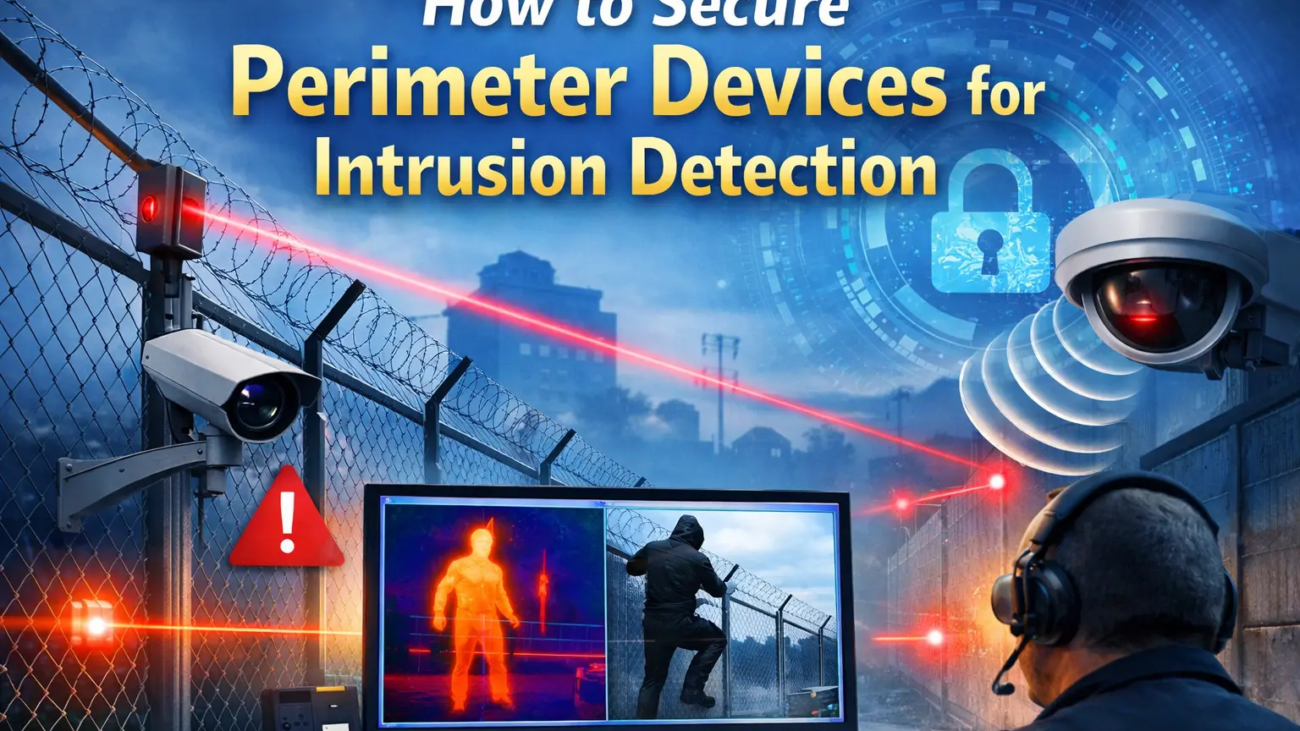
In today’s world, having robust security at the outer perimeter of facilities is essential. Businesses need to safeguard their assets, employees, and infrastructure from unauthorised access. That’s where advanced perimeter intrusion detection systems come into play, helping organisations keep an eye on activities around their property.
These systems offer early alerts, enabling security teams to respond swiftly. However, it’s important to remember that just having the right devices isn’t enough to ensure safety. Companies need to properly secure, maintain, and monitor their equipment. A well-thought-out strategy not only boosts reliability but also enhances response times.
Secure Installation of Perimeter Intrusion Detection System
Proper installation is the foundation of a solid security system. Devices must cover every vulnerable spot around the facility’s perimeter. That’s why security engineers need to place sensors with care, ensuring there are no blind spots.
Mounting devices at secure heights and angles is essential, as it makes it harder for intruders to access them. Additionally, installers should create clear detection zones, free from any physical obstructions. Thoughtful planning not only enhances system efficiency but also ensures that monitoring teams get accurate alerts, allowing them to respond quickly to any suspicious activity.
Use Durable Outdoor Security Equipment
Outdoor settings present ongoing challenges for security technology. Factors like rain, dust, and extreme temperatures can harm sensitive devices. Because of this, organisations should invest in durable equipment that can withstand tough conditions. Industrial-grade sensors are designed to perform reliably all year round, and protective housings help shield the hardware from environmental damage.
Plus, using weather-resistant materials can significantly extend the lifespan of the equipment. Strong hardware not only boosts reliability but also helps cut down on maintenance costs in the long run.
Protect Devices from Physical Interference
Intruders often try to disable sensors before they break into a property. That’s why having solid physical protection is crucial for any security setup. It’s a good idea to install equipment inside protective brackets or tamper-resistant enclosures.
These measures help deter vandalism and keep unauthorised hands off. Plus, security teams should position devices in spots that are both visible and secure. When equipment is out in the open, it can also serve as a deterrent; potential intruders are likely to steer clear of places that show a strong security presence.
Secure the Network Connection
Today’s security devices depend heavily on digital communication. Cameras, sensors, and monitoring tools all send data back to central platforms. But if networks aren’t secure, they can become weak points. Organisations need to encrypt the communication between devices and monitoring systems.
Implementing strong authentication protocols is essential to block unauthorised access. Additionally, segmenting the network can help limit exposure to cyber threats. A secure network environment not only safeguards system integrity but also ensures that monitoring remains uninterrupted.
Use Smart Video Analytics
Smart analytics play a crucial role in enhancing the accuracy of threat detection. Today’s systems automatically analyse movement patterns and sift through irrelevant activities. For instance, these analytics can tell the difference between human movement, animals, and environmental changes.
This ability helps cut down on unnecessary alerts and boosts operational efficiency. Security teams enjoy clearer notifications and can make quicker decisions. Consequently, monitoring centers can concentrate solely on genuine threats.
Perform Routine Maintenance and Testing
Regular inspections are key to keeping systems reliable. Over time, various environmental factors can impact sensor alignment or performance. That’s why technicians need to check devices on a regular schedule.
Maintenance teams need to ensure camera angles, power connections, and signal transmission are all in good shape. Routine testing also guarantees that alerts reach monitoring stations promptly. Preventive maintenance minimises downtime and helps avoid unexpected failures.
Combine Multiple Security Layers
To effectively protect a facility, you need a layered approach. Relying on a single solution just won’t cut it when it comes to covering all potential risks. Instead, by integrating various security technologies, you can create a much stronger defense.
Organizations typically blend surveillance cameras, motion detectors, alarm systems, and access control platforms. These tools work in harmony to keep a constant eye on activities. With layered security, you enhance detection accuracy and boost your response to incidents. This way, security teams have a clearer picture of what’s happening throughout the entire property.
Professional Monitoring for Perimeter Intrusion Detection
Expert monitoring significantly boosts the effectiveness of perimeter intrusion detection. Skilled operators keep a close eye on alerts and quickly assess any suspicious activity. Professional security providers also craft customised strategies tailored to the specific needs of each facility.
Plus, they seamlessly integrate monitoring systems with cutting-edge sensors and surveillance tools. This means businesses enjoy reliable protection and quicker emergency responses.
Conclusion
To achieve strong perimeter protection, careful planning and ongoing management are essential. Secure installations, robust hardware, and safeguarded networks all contribute to system reliability. Additionally, smart analytics and routine maintenance enhance detection accuracy.
Organisations that invest in advanced perimeter intrusion detection strategies create safer environments for both employees and assets. With the right approach, businesses can maintain constant visibility and intercept potential threats before any damage occurs.

