The protection of industrial plants involves more than the use of conventional fences. In the high-risk world of today, fence protection needs to become a proactive security layer that can detect, deter and respond to any threats before they turn critical. Throughout the UK, our industrial sector, including logistics hubs, power plants, manufacturing plants, data centres and utilities, seeks to apply fencing and security solutions that are strong and smart, and fit for purpose with today’s standards.
We understand that you are making a strategic investment when selecting the right system. A proper fence intrusion detection system helps to make an already secure perimeter more secure, lowers operational risk and is just one component of a well-rounded site security posture. Below, we will detail an exhaustive methodology for the choice of a fence protection system, focused on industrial scenarios.
Understanding Industrial Fence Protection Requirements
The security requirements for industrial facilities are too vast to be described in one sentence. Boundaries are often distributed over a large surface area, are open 24 hours and exposed to diverse weather. Good fencing and security should include:
- Unauthorised access and intrusion attempts
- Theft of assets and materials
- Sabotage and vandalism
- Insider threats and perimeter breaches
Complies with UK Safety and Security regulations
Such a high-efficiency fence protection system combines the physical barrier with intelligent detection technology, forming a multi-level defence.
Why FID is crucial for industrial security
Conventional fencing by itself serves as a hindrance to intrusion. The contemporary industrial security applications are dependent on the Fence Intrusion Detection System (FIDS) to listen to the fence and detect attempts to both climb, cut, lift, or tamper with its boundary.
- Advanced detection delivers:
- Real-time alerts for immediate response
- Reduced dependency on manual patrols
- Enhanced situational awareness
- Faster incident verification
- Improved return on security investment
By incorporating detection within the fence fabric itself, high-risk industrial sites will have early warning with our balanced detection capability.
Fence Security Systems for Industrial Fencing Types
The choice of the appropriate technology is based on site configuration, risk profile, and operational requirements. The best technologies to protect your fence from preventions are.
Sensor-Based Fence Protection Systems
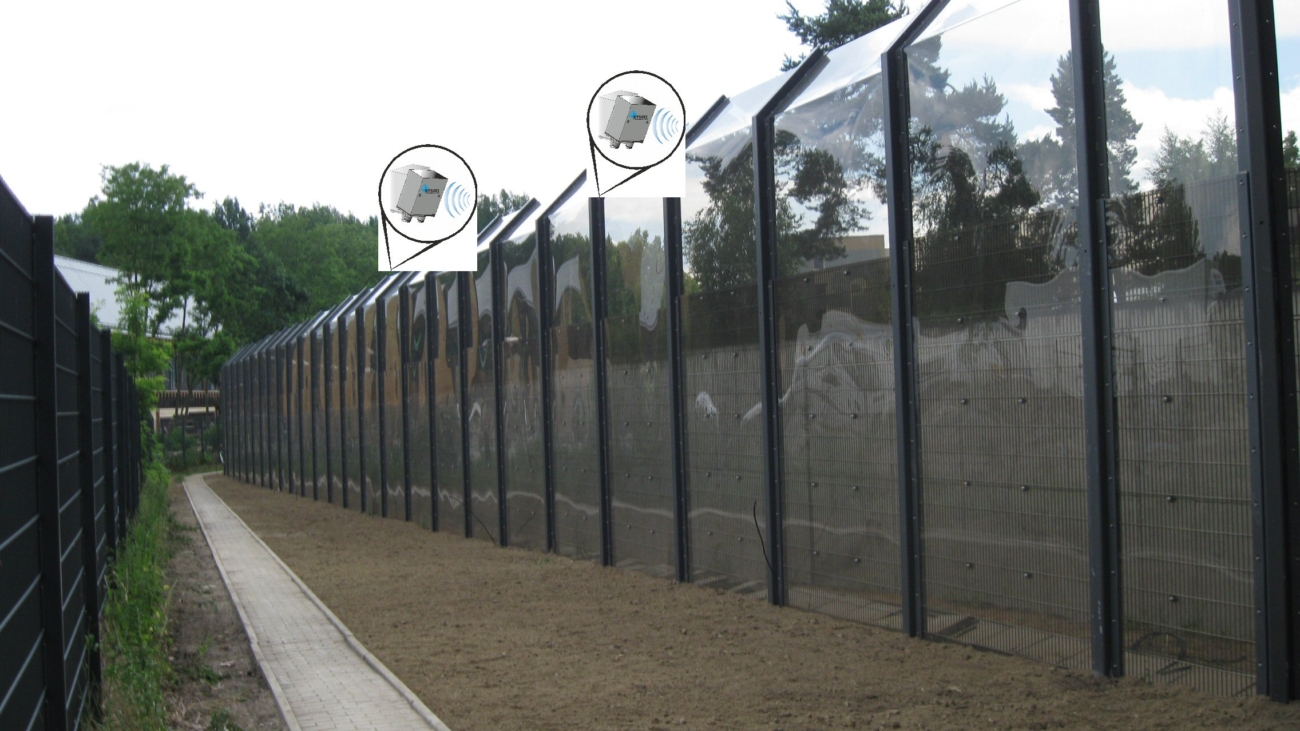
Sensors can be mounted directly on existing fence displaying vibration, changes in pressure or movement. These systems are perfect for industrial facilities that wish to upgrade their perimeters without replacing the entire fence.
Key advantages include:
- High sensitivity to intrusion attempts
- Low false alarm rates, when configured correctly
- Fits With Mesh, Palisade And Welded Fencing
- Cost-effective deployment for large perimeters
These are the foundations of many contemporary fencing and security methodologies.
Fibre optic fencing sensors
However, for critical infrastructure, fibre optic is the ducting ‘of choice’. They sense the exact point of intrusion via fibre optic cables placed on or in the fencing.
Benefits include:
- Exceptional detection accuracy
- Immunity to electromagnetic interference
- Resistance to harsh weather conditions
- Long-term reliability with minimal maintenance
For high-end fence line protection, fibre optic would provide industrial users with the best available detection.
Electric Fence Protection Systems
Electric fencing systems are a psychological and physical barrier. When properly deployed, they provide a non-lethal pulse that repels trespass and activates alarms.
Use cases include:
- Remote industrial facilities
- High-theft environments
- Perimeters requiring visible deterrence
- They work best when they are integrated with monitoring and alarms.
Assessing Site-Specific Risk Factors
We all know that no two industrial sites are ever the same. Choosing the most appropriate fence and security system will need a comprehensive risk assessment, taking into account:
- Site size and perimeter length
- Proximity to public access points
- Asset value and sensitivity
- Historical security incidents
- Environmental exposure
- Staffing and response capabilities
Integrating fence protection technology with risk in the real world leads to greater detection accuracy and operational efficiency.
Integration with Wider Security Infrastructure
In modern industrial safety, there is no security without integration. It’s the fence penetration alarm system, which can be linked up to:
- CCTV and video analytics
- Access control systems
- Alarm monitoring platforms
- Control room software
- Incident management tools
A combined system turns fencing from a static form of potential hindrance to an intelligent security cover capable of making quick decisions and reactions.
Minimising the Number of False Alarms and Maximising Detection
False alarms shake confidence and waste resources. Advanced fence protection systems rely on intelligent algorithms designed to discriminate real threats from interference of an environmental nature, such as wind, rain and animals.
- Best practices include:
- Professional system calibration
- Zoning and sensitivity adjustment
- Dual-technology validation
- Ongoing performance monitoring
Secure fences and successful security systems provide constant detection with no adverse impact on operations.
Compliance and UK Security Standards
Industrial complexes in the UK are subject to very high safety/security standards. Fence protection measures should be consistent with applicable codes and best management practices for the industry.
- Key considerations include:
- Health and safety compliance
- Data protection and system security
- Insurance and risk management requirements
- Industry-specific regulatory frameworks
Selecting an approved fence intrusion detection system provides lifetime operational reliability and regulatory peace of mind.
Scalability and Future Proofing of Your Fence Protection
Industrial operations evolve. Security infrastructure must adapt accordingly. It is scalable for Fencing and Security systems permitting that:
- Expansion of perimeter coverage
- Integration of new technologies
- Software upgrades and analytics enhancements
- Increased automation and AI-driven detection
- Future-proofed, value-added solutions that are still up to date and highly secure.
Professional Design, Installation, and Support
Even the best fence insulation is only as good as the installation. Professional-grade design provides precise sensor placement, effective sensing space and dependable performance.
- Ongoing support delivers:
- Preventative maintenance
- System health monitoring
- Rapid fault resolution
- Performance optimisation
- A professionally installed solution delivers years of trust and peace of mind.
Why Advanced Fencing and Security is Necessary for Industrial Sites
Investing in smart fence protection yields tangible operational advantages:
- Reduced security incidents
- Faster response times
- Enhanced asset protection
- Lower operational costs
- Improved insurance positioning
When it comes to industrial facilities, perimeter security is not a luxury; it serves as the foundation.
Selecting the Best Gate Protection Companion
It’s not enough to just choose the right technology. Dealing with professionals means that fencing and security solutions have been tailored, tested, and are ‘perfect for the job’ in manufacturing environments.
- A trusted partner delivers:
- Site-specific system design
- Proven industrial expertise
- High-performance technology
- Long-term support and scalability
- This attack makes fence protection a strategic asset instead of an ordinary defence.
Conclusion
Commercial Fence Protection System – A Strategic Decision: Selecting the right fence protection system for industrial facilities should be considered a strategic decision. Intelligent detection, sturdy fencing, smooth installation and professional support all combine to give industrialists around the UK trusted perimeter security. Modern fencing and high-tech security solutions turn the perimeter into a proactive layer